What Washington’s 'due consideration' means for Malaysia’s RM32.8 billion semiconductor industry
The deal, sealed on Oct 26, not only exempts over 1,700 Malaysian exports from tariffs but also strengthens Malaysia’s position as a key global hub in the semiconductor and advanced electronics supply chain.


SHAH ALAM – Malaysia’s semiconductor and high-value manufacturing sectors are poised for a major boost following the signing of a new reciprocal trade agreement with the United States (US).
The deal, sealed on Oct 26, not only exempts over 1,700 Malaysian exports from tariffs but also strengthens Malaysia’s position as a key global hub in the semiconductor and advanced electronics supply chain.
A Strategic Trade Deal in a Changing Global Landscape
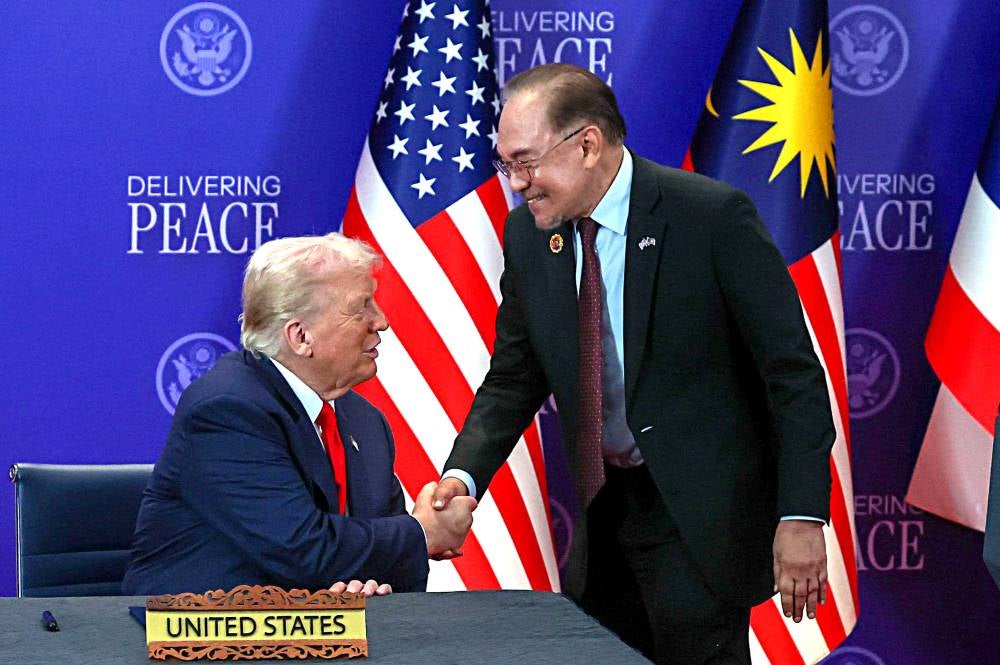
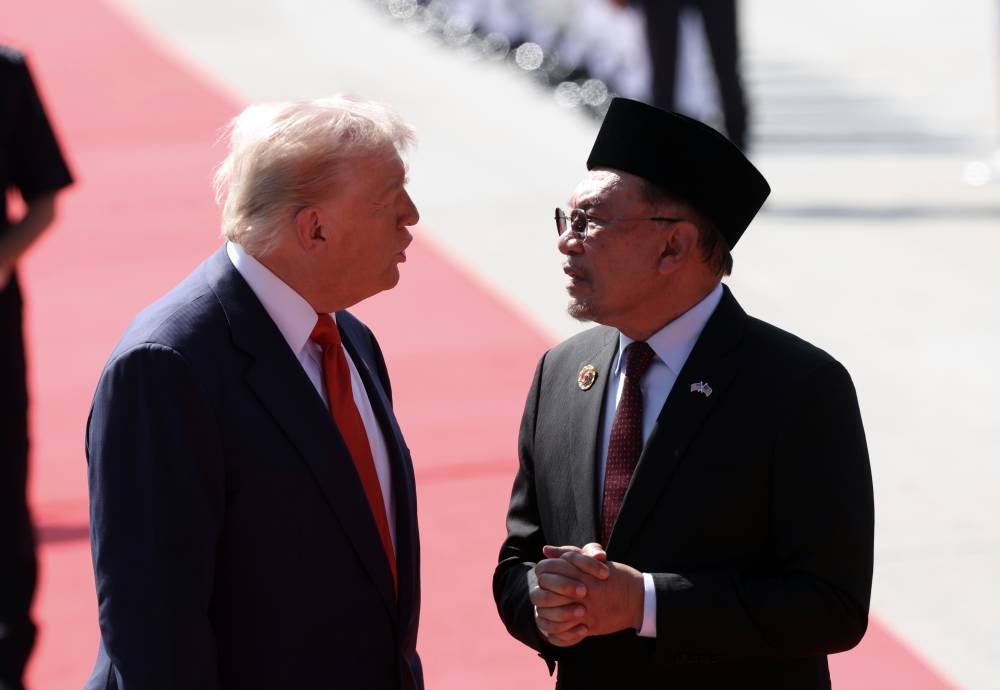
The new US–Malaysia reciprocal trade agreement, signed by Prime Minister Datuk Seri Anwar Ibrahim and US President Donald Trump, represented a significant milestone in bilateral economic relations.
It maintained the existing 19 per cent tariff rate for most goods but exempts 1,711 key Malaysian exports, including palm oil, rubber, cocoa, aerospace components and pharmaceuticals, from these duties.
According to Investment, Trade and Industry Minister Datuk Seri Tengku Zafrul Abdul Aziz, the exemptions are valued at US$5.2 billion (RM21.96 billion), accounting for roughly 12 per cent of Malaysia’s total exports to the US.
“These exports collectively amount to about US$5.2 billion or roughly 12 per cent of Malaysia’s total exports to the US,” Zafrul said at a press conference following the signing.
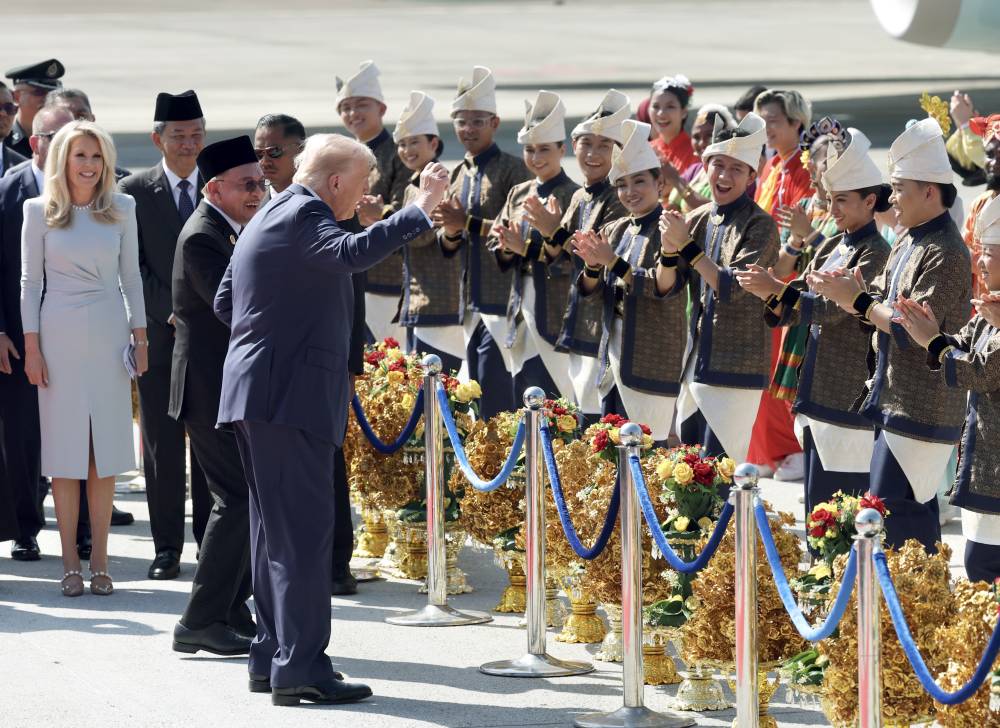
The agreement was formalised on the sidelines of the 47th Asean Summit at the Kuala Lumpur Convention Centre (KLCC), during Trump’s maiden visit to Malaysia for the US–Asean Summit.
Boost for Malaysia’s Semiconductor and High-Tech Exports
A key highlight of the deal is Washington’s decision to give “due consideration” to semiconductor exports from Malaysia under Section 232 of the US Trade Expansion Act of 1962, a clause that governs tariffs and trade barriers on strategic goods.
Zafrul said this consideration would strengthen Malaysia’s semiconductor industry, which has become one of the country’s top export earners and a crucial link in the global technology supply chain.
“Our commitments under the deal will also be taken into account by Washington in decisions made under Section 232 of the US Trade Expansion Act, which could affect products such as semiconductors,” he said.
The US has recently overtaken China as Malaysia’s largest export market and remains its top foreign investor, with total investments reaching RM32.8 billion in 2024.
This development highlights Malaysia’s growing role as a reliable, neutral manufacturing hub amid intensifying US–China trade competition.
Lower Tariffs, Greater Access, Stronger Industries
The agreement not only benefits Malaysian exporters but also brings tangible advantages to domestic industries.
Lower import tariffs will make high-quality US products, such as medical equipment, computer hardware and machinery components, more affordable.
“In terms of benefit to the Malaysian industries, with a lower import tariff, US products can enter the Malaysian market easily and will be more competitive. This will make high-quality products such as medical equipment, computer hardware and machinery spare parts more affordable for Malaysian businesses and consumers,” Zafrul said.
He added that Malaysian manufacturers could use advanced US machinery and automation tools as inputs to enhance productivity and move up the industrial value chain, aligning with the goals of the National Industrial Master Plan (NIMP).
“Various imports of advanced machinery, aerospace components, and automation tools from the US can be used as inputs to help Malaysian manufacturers improve efficiency and move up the industrial value chain,” he said.
Rare Earths and Critical Minerals: Securing Malaysia’s Role
One of the most strategic components of the agreement is Malaysia’s pledge not to ban or impose export quotas on critical minerals and rare earth elements, materials essential for semiconductors, electric vehicles and renewable energy technologies.
This provision is crucial for the US, especially after China, the world’s largest supplier of rare earths, introduced strict export restrictions.
Malaysia’s commitment positions it as a trusted partner in the global tech ecosystem, further cementing its role in the supply of high-value industrial materials.
During his speech at the summit, Trump emphasised Washington’s long-term commitment to the region. “Our message to the nations of Southeast Asia is that the US is with you 100 per cent and we intend to be a strong partner for many generations,” he said.
Strengthening Bilateral Ties through Strategic Purchases
As part of the deal, Malaysia has agreed to purchase a range of American products, further deepening trade ties. These include:
30 aircraft, with an option for 30 more.
Semiconductors, aerospace components and data centre equipment valued at US$150 billion.
Five million tonnes per annum of liquefied natural gas (LNG) worth up to US$3.4 billion annually.
Coal and telecommunications products and services valued at US$204.1 million.
These purchases will help Malaysia strengthen its aerospace, semiconductor and data infrastructure sectors, contributing to job creation and technological advancement.
When asked about the long-term reliability of the deal, especially given Trump’s history of abrupt policy shifts, Zafrul replied confidently. “For us (Malaysia), an agreement is an agreement,” he said.
A Win-Win Framework for Growth
The new trade framework provides Malaysia with expanded access to the world’s largest economy while maintaining its existing commitments.
It also opens a pathway for Malaysia’s semiconductor and high-tech industries to thrive amid global supply chain realignments.
By securing tariff exemptions and reaffirming its commitment to stable export policies, Malaysia strengthens its position as a preferred investment destination in the region, a move that could attract even more multinational corporations to establish advanced manufacturing and R&D (research and development) operations in the country.
Download Sinar Daily application.Click Here!