Timeline of Japan and China's spat
A spat between Tokyo and Beijing following Prime Minister Sanae Takaichi's suggestion of Japanese military action if China invaded Taiwan isn't going away.

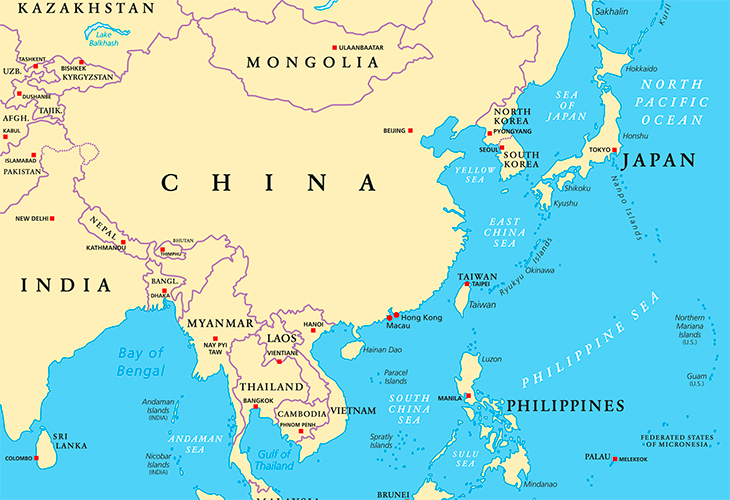
TOKYO - A spat between Tokyo and Beijing following Prime Minister Sanae Takaichi's suggestion of Japanese military action if China invaded Taiwan isn't going away.
AFP details the timeline of the dispute between Asia's two biggest economies -- whose relations have long been frosty -- as it enters its third month.
- Nov 7: Takaichi lets rip -
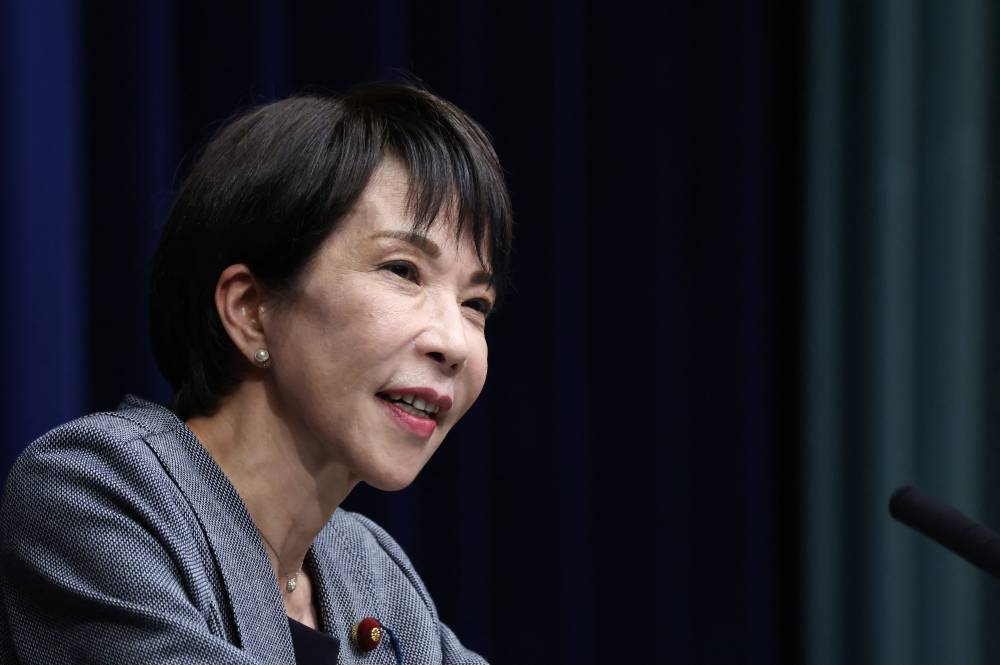
If a Taiwan emergency "entailed battleships and the use of force, then that could constitute a situation threatening the survival (of Japan)," Takaichi proclaims.
The apparently unscripted remarks, in a budget committee meeting in parliament, depart from past premiers' more cautious language.
China has long insisted that Taiwan, occupied for decades by Japan until 1945, is its territory and has not ruled out force to achieve "reunification".
- Nov 13: Ambassador summoned -
China summons Japan's ambassador and demands -- in vain -- that Takaichi retract her remarks.
The next day Japan calls in the Chinese ambassador over an X post by the Osaka consul general threatening, with apparent reference to Takaichi, to "cut off that dirty neck".
- Nov 14: Travel warning -
China's embassy warns its citizens against travel to Japan, citing "significant risks to the personal safety and lives of Chinese citizens".
With China last year Japan's biggest source of tourists -- some 8.8 million in the first 11 months -- travel and consumer stocks tumble on the Nikkei.
- Nov 17: Taiwan calls out China -
Taiwanese President Lai Ching-te calls on China to "show restraint, act like a major power, and not become the troublemaker".
Beijing then says premier Li Qiang has no plans to meet with Takaichi in a G20 summit in South Africa.
- Nov 18: Talks -
Masaaki Kanai, the top official for Asia-Pacific affairs in Japan's foreign ministry, tries to defuse the situation in Beijing.
The talks make little progress and images on Chinese state media of Kanai appearing to bow to his counterpart go viral on Chinese social media.
- Nov 19: Seafood import ban -
Japanese media report that China will suspend imports of Japanese seafood.
China had only recently resumed purchasing some items after banning them following Japan's release of wastewater from the Fukushima nuclear plant in 2023.
The next day Taiwan's Lai is pictured eating sushi and on November 21 Taipei lifts all restrictions on Japanese food imports.
- Nov 23: Koizumi talks up missiles -
Japanese Defence Minister Shinjiro Koizumi travels to Yonaguni island near Taiwan and says that plans to deploy missiles there are on track.
China calls the deployment a "deliberate attempt to create regional tension and provoke military confrontation".
- Nov 25: Trump calls -
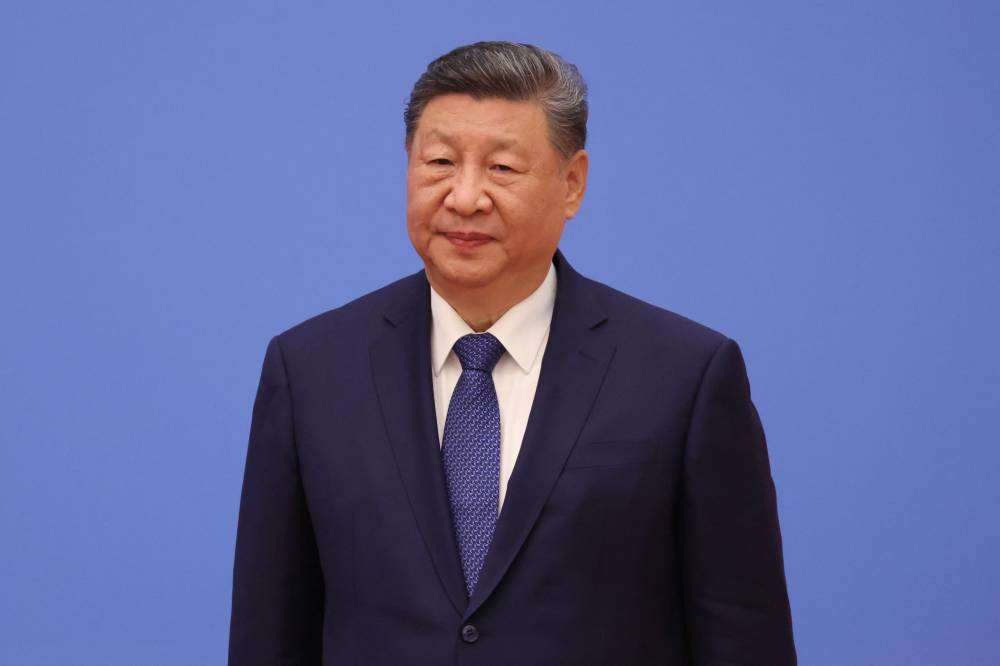
Donald Trump and Takaichi speak. Officials deny that the US president, after first talking to China's Xi Jinping, advised her not to provoke Beijing over Taiwan.
Culture isn't spared. On November 28, Japanese singer Maki Otsuki abandons a performance part-way through the "One Piece" theme song when the music and lights are cut.
- Dec 6: Midair incident -
J-15 jets from China's Liaoning aircraft carrier twice lock radar on Japanese aircraft in international waters near Okinawa, according to Japan.
On December 9, Russian and Chinese bombers rendezvous in the East China Sea and fly around Japan, Tokyo says.
The next day the Japanese and US air forces conduct their own "tactical exercises" involving two US B52 bombers.
- Dec 15: Pandas to go -
Japan says that its last two pandas -- creatures long used by China in diplomacy -- will return to China a month before their loan expires in February.
- Dec 29: Taiwan exercises -
China begins major military drills with dozens of fighter aircraft and navy ships conducting live-fire drills around Taiwan.
Japan says China's sixth set of major manoeuvres in recent years "increase tensions".
- Jan 6: Export controls -
China announces tightened controls on exports to Japan for items with potential military uses.
The statement fuels worries that Beijing may choke supplies of vital rare earth minerals, some of which are included in China's list of "dual-use" goods.
An earlier spat in 2010 saw Japan move to lessen its dependence on Beijing for rare earths but more than 70 percent still come from China, according to Tokyo.
- Jan 8: Reports of snags -
China's Commerce Ministry says that firms engaged in normal civilian trade "have absolutely no need to worry" about the new restrictions.
But media reports say that China has begun choking off exports of rare earths, as well as holding up sake and food imports into China. - AFP
Download Sinar Daily application.Click Here!


