Extension of remand on ex-army chief depends on investigation needs - Azam Baki
There is still one day before the remand order against the former army chief expires.

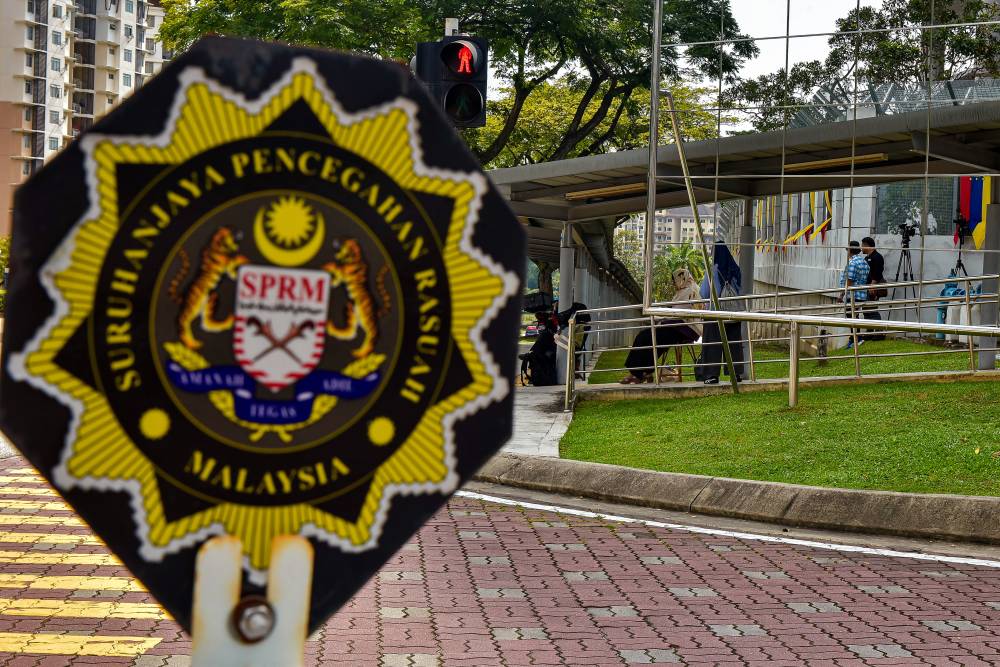
KUALA LUMPUR - An application to extend the remand period for the former army chief and his two wives who were detained in connection with a procurement tender corruption case will be made based on the needs of the current investigation.
Malaysian Anti-Corruption Commission (MACC) chief commissioner Tan Sri Azam Baki said his party still has one day before the remand order against the former army chief expires.
"I cannot confirm the matter at this time because there is still one day left.
"We have a maximum remand period of 14 days. Tomorrow will be seven days and if the investigation requires additional time, we will apply for an extension of the remand in court,” he said, adding that the latest developments regarding the investigation into the case will be given in a press conference scheduled on Thursday.
He said this after attending the Signing Ceremony of the Memorandum of Understanding (MoU) between MACC and HELP University and the Launch of the Governance and Integrity Forum Series 2026, here today.
MACC had previously seized luxury assets worth more than RM2.2 million following a search at a residence on the East Coast believed to belong to the second wife of a former top army officer.
On Dec 23 last year, MACC visited the Ministry of Defence (Mindef) and investigated projects implemented through the open tender procurement method and procurement under the Army Responsibility Centre (PTJ).
In another development, Azam stressed the important role of academic institutions in assisting national development, especially in efforts to strengthen governance, integrity and transparency in the public sector.
According to him, universities not only function as educational centres, but also act as strategic partners in providing research support and practical approaches to address national challenges.
"Collaboration with academic institutions allows research results and expertise to be directly utilised in formulating policies, improving systems and strengthening integrity practices,” he said.
He also emphasised the contribution of professionals from various industries as an important element in achieving this goal, in line with the ongoing efforts to build a more effective and integrity-based governance ecosystem. - BERNAMA
Download Sinar Daily application.Click Here!


