Lowering Year One entry age feasible if schools and teachers are properly prepared, say experts
Many advanced nations, including Singapore, have implemented the system successfully.


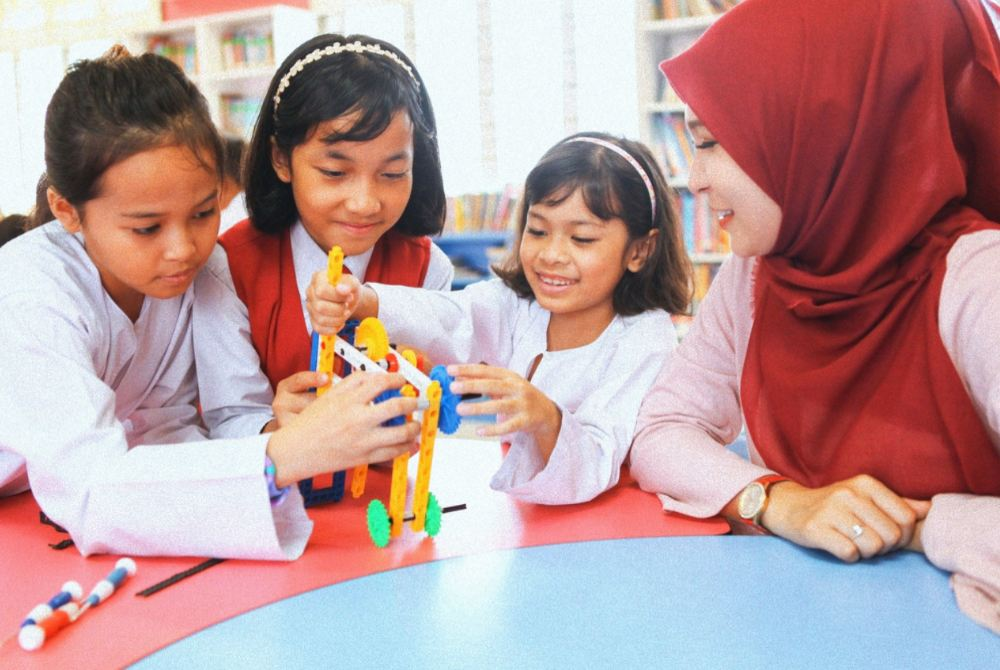
SHAH ALAM - Adequate teacher numbers and classroom capacity must be the Education Ministry’s top priorities as Malaysia prepares to allow children to enter Year One at the age of six, education experts say, warning that the policy will only succeed if schools are properly equipped to support younger learners.
Universiti Kebangsaan Malaysia (UKM) education expert Dr Anuar Ahmad said he supports the proposal to lower the Year One entry age, provided teaching approaches, curriculum design and school infrastructure are adjusted to suit six-year-olds, with the final decision left to parents.
“The learning methods and classroom strategies used for six-year-olds need to be adjusted accordingly.
“This makes retraining essential, so teachers are equipped with the skills to manage younger pupils alongside seven-year-olds in the same classroom,” he told Sinar Daily.
He said there is still time for meaningful preparation before implementation, including retraining teachers to understand behavioural differences and adapt teaching techniques.
Anuar also stressed that the curriculum must be reviewed and tested through pilot studies to ensure it is developmentally appropriate for younger pupils.
“The curriculum itself must be reviewed, with pilot studies conducted to ensure it is suitable for children aged six. There is still about a year for teachers to upgrade their teaching skills and prepare for this transition,” he added.
Anuar noted that the policy presents logistical challenges for the Education Ministry, particularly in terms of staffing and facilities, as six-year-olds will join the existing intake of seven-year-old pupils.
“Adequate numbers of trained teachers must be provided and additional classrooms will be required.
“School infrastructure, including halls, canteens and playgrounds will also need to be expanded to accommodate the increased student population,” he said, adding that ensuring sufficient teachers and classroom capacity should be the ministry’s two main priorities.
Citing education research, Anuar highlighted children who begin formal schooling at six generally do not face significant difficulties from a cognitive, emotional or social perspective, provided learning is age-appropriate.
“Studies from developed countries show that children are capable of learning at this age, and more than 130 countries worldwide have long adopted formal education starting at six,” he said, adding that many advanced nations, including Singapore, have implemented the system successfully.
He also pointed out that today’s children are exposed to information much earlier through media, the internet and digital platforms, meaning learning often begins well before the age of six.
“Research shows there are no fundamental barriers to children starting school at six, although readiness varies between individuals. That is why parents should have the discretion to decide, as they are best placed to assess their child’s preparedness,” he added.
Echoing this view, Parent Action Group for Education (Page) chairman Datin Noor Azimah Abdul Rahim said starting Year One at six can work, but only if schools adapt to children’s developmental needs.
“Six-year-olds develop at very different rates, so Year One must be flexible and play-based, not academically demanding from day one,” she said when contacted today.
She stressed that the key issue is not the child’s age, but school readiness, including trained teachers, manageable class sizes and appropriate support systems.
“Lowering the entry age without changing expectations risks creating stress for children and teachers rather than better learning,” she added.
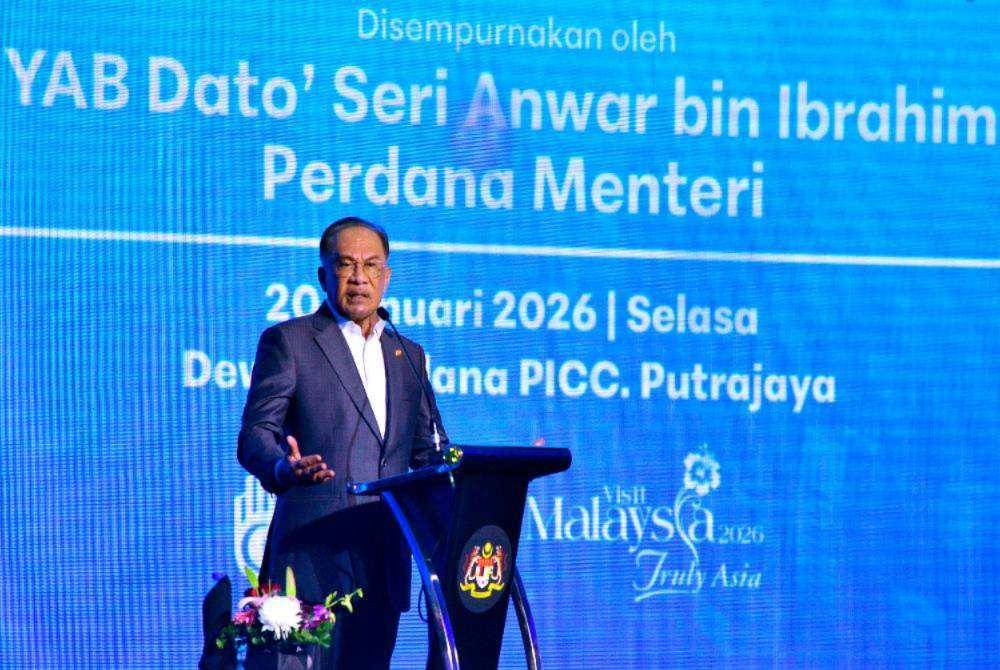
Malaysia will allow children to enter preschool at the age of five and Year One at six beginning in 2027, following the launch of the National Education Blueprint 2026–2035 by Prime Minister Datuk Seri Anwar Ibrahim yesterday.
The policy will not be compulsory, with parents given discretion based on their children’s readiness.
Education Minister Fadhlina Sidek said the early entry into Year One will be implemented flexibly and in phases, with eligibility determined through a special diagnostic assessment introduced by the Education Ministry.
She said six-year-olds will only be allowed to enter Year One if they pass the assessment, which will evaluate psycho-emotional development, skills and overall readiness for the curriculum, adding that parents will be required to register their children for the test.
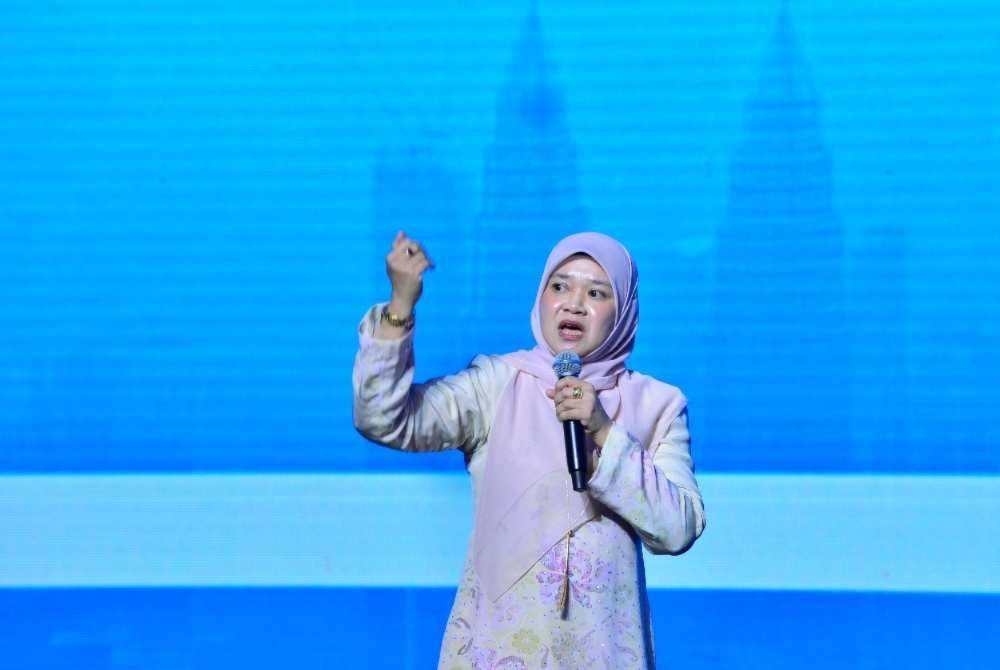
Fadhlina also said nationwide data on six-year-olds will be collected to support planning for teacher placement, training and school infrastructure, while the rollout will prioritise schools that are ready, including the construction of new classrooms using the Industrialised Building System (IBS).
Parents have been advised not to panic as the transition will be gradual and guided by data, school readiness and individual pupil needs.
Download Sinar Daily application.Click Here!