Housewives: Keeping families and the economy running, without wage
They cook, clean, care for children, tend to ageing parents and keep households running day after day.


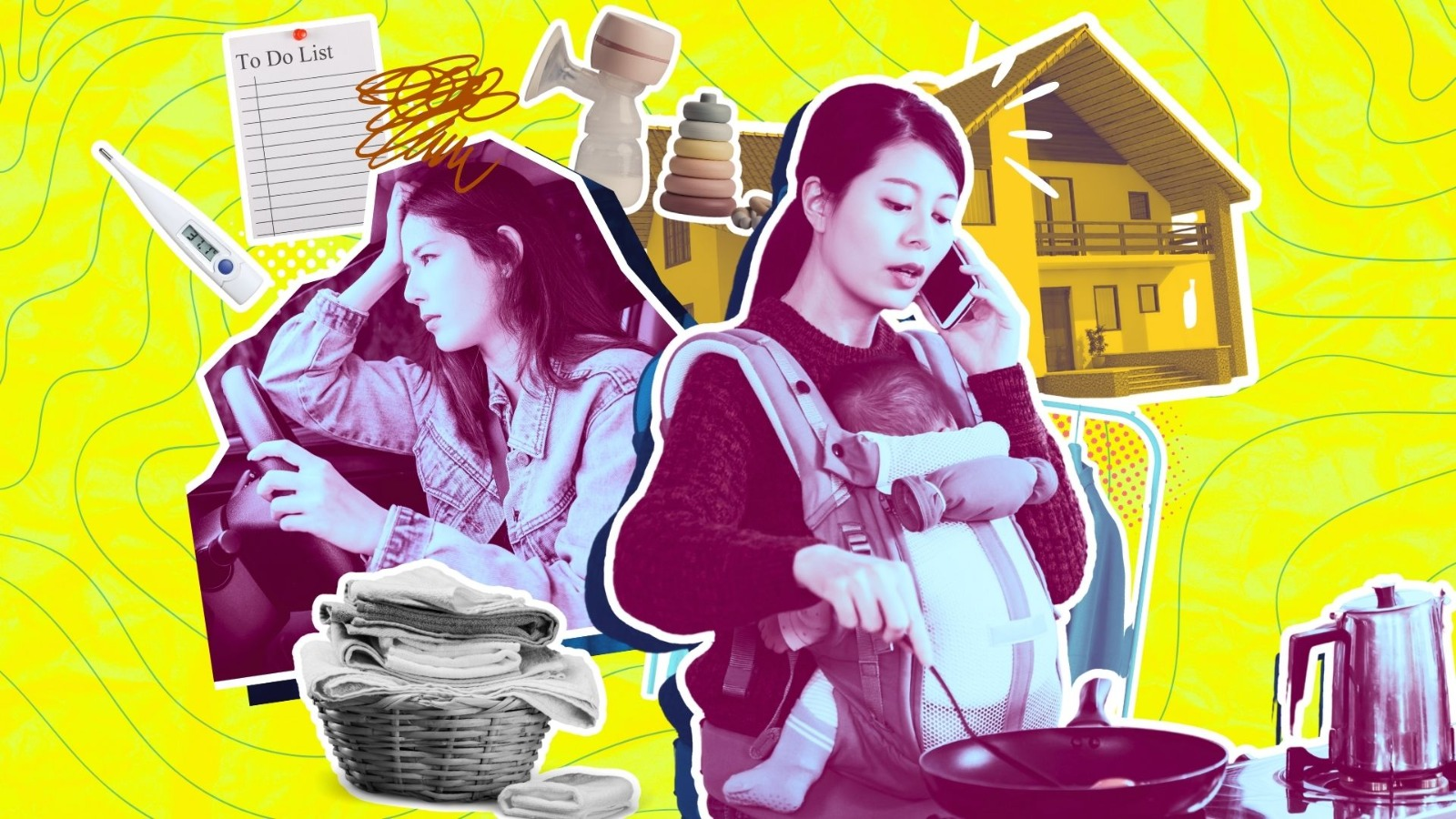
THEY cook, clean, care for children, tend to ageing parents and keep households running day after day. Yet in Malaysia’s economic calculations, their work barely exists.
Unpaid domestic labour, carried out largely by housewives, is estimated to contribute RM379 billion to Malaysia’s Gross Domestic Product (GDP). Despite the staggering figure, this form of work remains largely invisible in economic planning and policymaking, according to TalentCorp.
The disconnect, experts warn, has real consequences, not just for women who remain outside the formal workforce, but for the country’s long-term economic resilience.
“Unpaid care work covers everything that a woman who is not in the labour force is doing - from cleaning and caring for children to looking after elderly family members,” said TalentCorp’s Head of Wanita MyWira, Natasha Alias, in an interview with Sinar Daily recently.
While the care economy includes both paid and unpaid labour, such as workers in healthcare and education, it is unpaid care work that continues to be overlooked, she said.
For many women, it is also the primary reason they are unable to seek paid employment.
Of the seven million Malaysians currently outside the labour force, about 43 per cent are housewives, with family responsibilities and caregiving cited as the main barrier to work.
“The care economy is highly debated because care work is directly linked to women’s participation in the labour force.

“If we can make this work visible, put a value to the hours accumulated doing unpaid care work, it would be an eye-opener for policymakers and stakeholders and could drive meaningful policy change,” she said.
TalentCorp, she added, has been pushing for a more holistic framework that places care work at the centre of socioeconomic planning, recognising its role in sustaining households and enabling the wider economy to function.
The imbalance became especially visible during the Covid-19 pandemic. While both men and women were affected at the height of the crisis, Natasha said post-pandemic data showed that caregiving responsibilities largely fell back on women as the country moved into recovery.
“The expectation has returned to women,” she said.
This reality, she added, highlights the need not only for policy reforms, such as affordable childcare and flexible work arrangements, but also for a broader shift in societal attitudes that recognise caregiving as real, productive labour.
As Malaysia debates whether single-income households are still viable, the question is no longer just whether women should work, but whether the work they already do will ever be fully acknowledged.
For now, that labour continues. Unpaid, largely unseen, but essential to keeping families and the economy afloat.
Download Sinar Daily application.Click Here!