URA may displace long-time urban residents, undermine trust in local elections
Local council elections may be beneficial, but Malaysia is not yet ready to implement them unless the country first strengthens its ecosystem and administration.


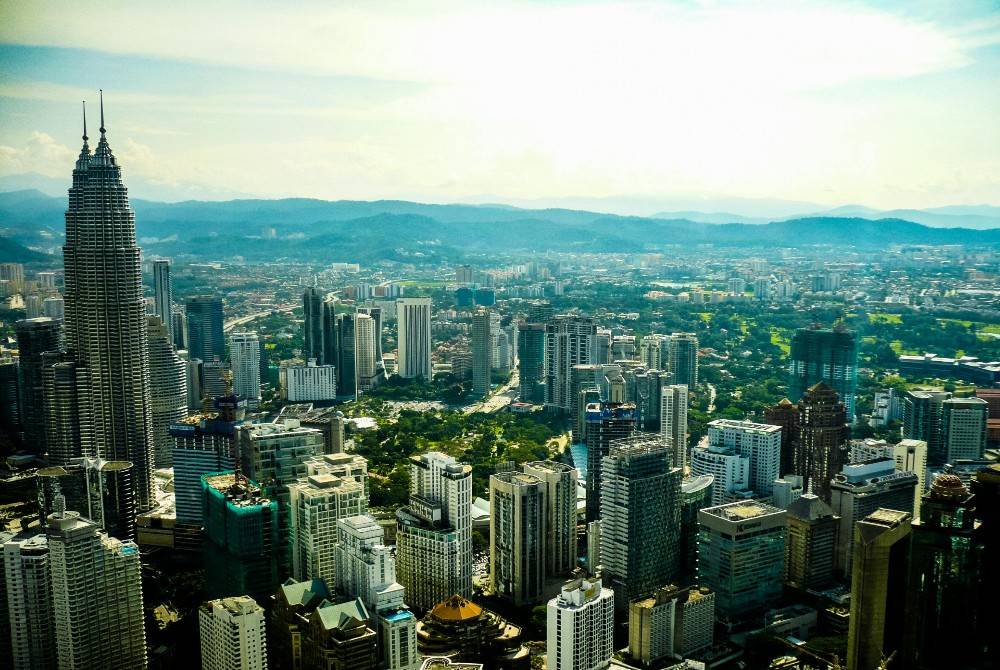
SHAH ALAM – The proposed Urban Renewal Act (URA) could displace long-time urban residents and further erode public trust in governance if implemented without proper consultation and safeguards.
While the government said the Act was meant to improve living standards and urban infrastructure, critics feared it could lead to forced displacement, gentrification and loss of community ownership, especially among low and middle-income residents.
Kapar MP Dr Halimah Ali said many city dwellers had spent their life savings to own homes, only to face the risk of being forced out under redevelopment policies.
"Initial residents who spent their life savings to own properties they call home in urban areas could suddenly be displaced by URA," she said.
She said urban renewal should not focus solely on physical development, but also on preserving social ecosystems built over decades.
"The amenities they are familiar with, their friends and social networks that give them strength and moral support are lost when they age. URA disrupts their ecosystem," she added.
URA is a proposed law aimed at redeveloping ageing and deteriorating urban areas by allowing authorities to acquire, consolidate and rebuild properties for safer, more modern and economically viable use.
Dr Halimah, who is also a Pas Central Committee member said URA could change the social and political landscape of cities, making public engagement critical.
This, she said was a logical concern.
"The government cannot bulldoze its agenda without listening to the people of the land," she said.
She also linked the URA debate to resistance against bringing back local council elections, saying the people's confidence in the government remained low.
Local council elections refer to the practice of allowing residents to elect their mayors and councillors who manage local authorities (PBT), instead of having them appointed by the state government.
Supporters said it strengthens accountability and democracy at the grassroots level, while critics argue Malaysia is not administratively and legally ready for such a system.
"There is still strong resistance towards local council elections. It reflects the rakyat’s confidence in the government.
"Issues like gentrification create intense fear among the majority of the people," Dr Halimah said.
She also claimed that the government had yet to demonstrate the reform they once promised when they were in the opposition.

Meanwhile, Selangor Umno Youth chief Datuk Mohd Imran Tamrin said URA could benefit cities if handled carefully, but warned against rushed or incomplete implementation.
"On the positive side, URA helps revitalise and renew urban areas, creating new projects and economic impact," he said.
However, he stressed that sensitivity was needed, especially for the B40 group and Bumiputeras living in urban areas.
He said in Malaysia, efforts to introduce urban renewal policies have often faced political setbacks.
This, he said was because the government needed to be mindful of public sensitivities, especially when it involved lower-income groups (B40) and Malays living in urban areas.
Imran said Umno had discussed URA extensively and submitted recommendations to the government, particularly regarding Malay interests in areas such as Kampung Baru.
"Umno has already discussed this widely. There are several improvements we requested the government to look into, especially the standing of Malays in urban areas," he said.
He proposed establishing Urban Development Authorities before executing URA.
"If URA is uncontrolled or half-cooked, it will affect laws such as the National Land Code and other federal acts. Protection of Malay rights under the Federal Constitution may also be affected," he said.
Malaysia not ready for local council elections
On local council elections, Imran said the idea was democratic in principle, but Malaysia was not administratively ready.
"In a democratic system, local elections are good, but when we look at Malaysia’s legal and electoral system, we are far from implementing it," he said.
He also cited unresolved issues such as boundaries and jurisdictions of local authorities.
He added that even electoral boundaries have yet to be properly settled, raising questions over how local authority jurisdictions can be clearly identified, who would be eligible to vote and how elections would be conducted.
Therefore, he urged the government to strengthen local council administration first.
"For now, it is better for the government to strengthen the roles and functions of local authorities, their appointment system and administration before embarking on local council elections," he said.
He added that reforms in governance should come before structural political changes.
"Local council elections are good ideally, but for Malaysia, we are not ready yet unless we strengthen the ecosystem and administration first," he said.
Download Sinar Daily application.Click Here!