Malaysia can hit 60 per cent women workforce participation, but structural issues must be addressed - MP
Malaysian women are generally more highly educated than men and failing to maximise this talent pool could cost the economy.



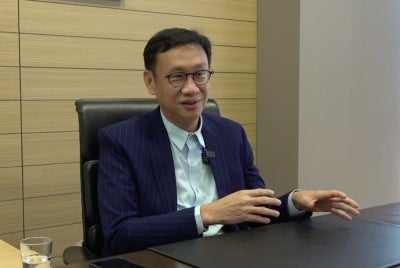
SHAH ALAM - Subang MP Wong Chen has said Malaysia’s target of 60 per cent women workforce participation is achievable but requires structural reforms, particularly in childcare costs and migrant worker policies.
Responding to comments by Deputy Women, Family and Community Development Minister Lim Hui Ying on boosting women's participation in the workforce, Wong said higher female labour participation could contribute to economic growth.
He said increasing women workforce participation from 60 to 65 per cent could raise gross domestic product (GDP) growth by about two to three per cent through productivity gains.
However, he said childcare affordability remains a major barrier, pointing out that high agency and processing fees for hiring foreign domestic helpers discourage families from seeking assistance.
"The irony is we are hiring Indonesian and Filipino women to look after children so Malaysian women can work. Why is it so expensive to hire them?" he told Sinar Daily in an upcoming episode of Fireside Chat.
He added that recruitment costs in Malaysia could reach about RM20,000 compared to lower costs in Singapore.
Wong said reforming migrant worker recruitment processes could help address the childcare accessibility issue and free more Malaysian women to join the workforce.
He added that Malaysian women are generally more highly educated than men and failing to maximise this talent pool could cost the economy.
On graduate employment trends, Wong said he is not opposed to entrepreneurship but cautioned against overreliance on influencer-based careers.
He said the job market will change due to artificial intelligence (AI), predicting higher automation-driven unemployment in the coming years.
He encouraged graduates to pursue careers involving creativity, physical interaction or specialised professional skills, such as psychology, healthcare services and specialised agriculture.
"There will always be lawyers, doctors and engineers, but AI will do more of the work. In the future, you may need fewer professionals performing routine tasks," he said.
Download Sinar Daily application.Click Here!