Who really owns PN?
The development will have the greatest impact on PN, which has long been led by the two parties.



PAS' decision to sever political ties with Bersatu has not only raised questions about the future of both parties but also sparked a bigger debate over who will ultimately control Perikatan Nasional (PN).
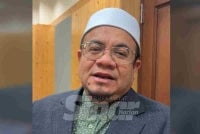
Former Pas Central Committee member Dr Mohd Zuhdi Marzuki said the development will have the greatest impact on PN, which has long been led by the two parties.
According to him, it would be difficult for Pas and Bersatu to remain under the same political umbrella after ending their political relationship.
"PN is the most affected because its two main pillars are Pas and Bersatu. It is unlikely that both parties can remain in PN after their political ties have been severed.
"In the end, either Pas or Bersatu will have to leave or be removed from the coalition," he told Sinar on Tuesday.
Zuhdi said attention is now focused on the upcoming PN Supreme Council meeting, which is expected to be held soon to determine the position of both parties.
Based on PN's constitution, he said the Supreme Council has the authority to expel any component party if necessary.
"That meeting will determine PN's future. Whether Pas or Bersatu is removed, the decision will determine who controls PN going forward," he said.
Although Pas and Bersatu hold the greatest influence within the coalition, Zuhdi believes Gerakan and Malaysian Indian People's Party (MIPP) could play a crucial role.
"If Gerakan and MIPP back one side, they could determine which party continues to dominate PN," he said.
At the same time, he acknowledged that Bersatu has its own argument for defending its position, given that PN was established through the initiative of Muhyiddin Yassin.
According to him, that historical factor may be one reason Bersatu leaders are demanding that the PN chairman's post be returned to Muhyiddin.
"One of PN's key founders was Muhyiddin himself. Bersatu may see itself as having the moral right to continue leading the coalition," he said.
PN brand still carries significant value
Commenting on PN's political value, Zuhdi said the coalition still enjoys considerable influence among voters, particularly following its performance in the 15th Malaysian General Election.
He said the PN brand is now more recognisable than any new coalition that could potentially emerge.
"PN has significant political value. One of the reasons Pas and Bersatu won many seats in GE15 was that voters accepted PN as a political brand in its own right.
"If they abandon that brand and form a new coalition, it would carry substantial risks," he said.
He also warned that signs of cracks within a political coalition often lead to bigger political changes.
Meanwhile, political analyst Dr Malike Brahim from Universiti Utara Malaysia said if Pas genuinely intends to move independently, it should take the gentlemanly approach of leaving PN and building a new platform.
"The problem now is that neither side wants to leave PN. Both understand the immense value of the PN brand among Malay voters.
"If Pas wants to work with Datuk Seri Hamzah Zainudin or any other group, then create a new platform with a new logo, a new agenda and a new narrative.
"Sometimes in politics, you have to swallow a bitter pill and let go of something you cherish for the sake of the future," he said.
Download Sinar Daily application.Click Here!