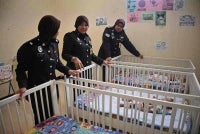
Baby born in a van, mothers who forget their children — a prison warden's 20 years of heartbreak
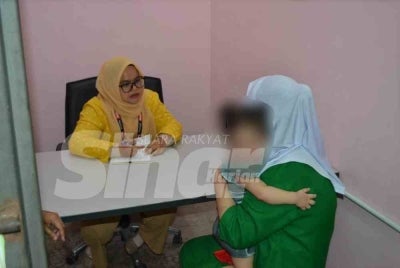
For Pokok Sena Prison warden Sergeant Siti Noor Aznee Othman, 40, every time she sees a baby being raised in prison, her heart goes out to the child, who had no say in being born into circumstances so different from those of other children.


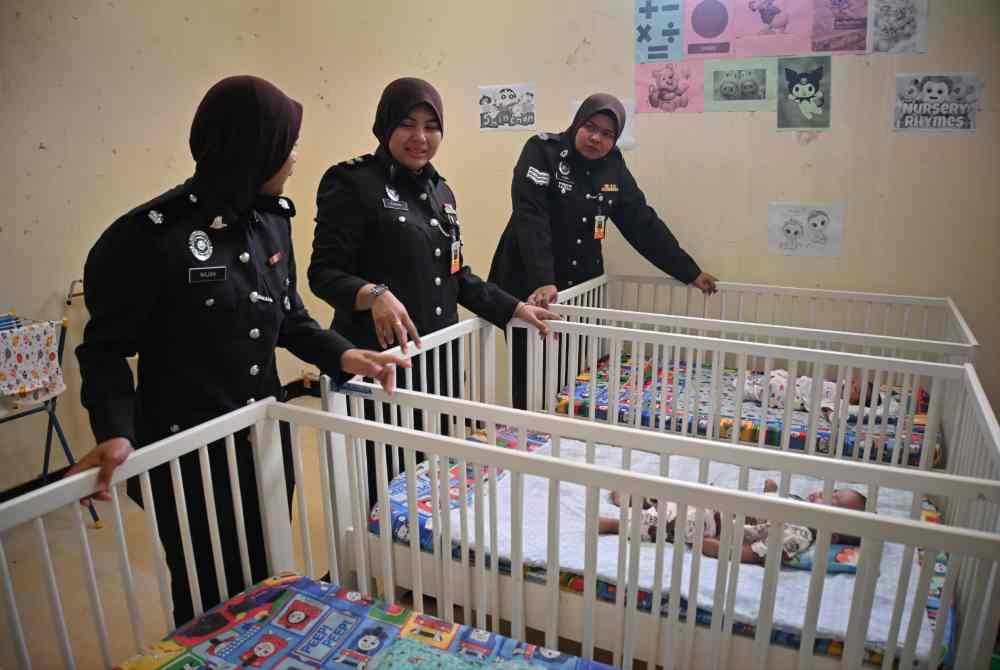
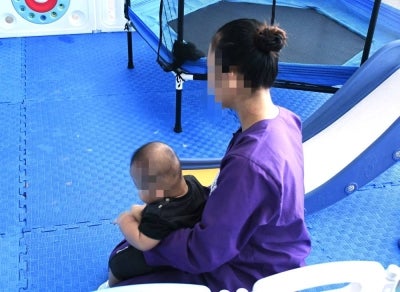
POKOK SENA – Beyond the high walls and strict security measures, prisons have also been the setting for stories of babies taking their first steps in a world defined by limitations.
For Pokok Sena Prison warden Sergeant Siti Noor Aznee Othman, 40, every time she sees a baby being raised in prison, her heart goes out to the child, who had no say in being born into circumstances so different from those of other children.
"If you want to do wrong, think a hundred times before you do. When a mother goes to prison, it is the children born here who suffer. They are blameless," she said, sharing her experience handling pregnant female inmates at Pokok Sena Prison.
According to Aznee, the most emotional moment is when an inmate is released and leaves prison together with the child she has raised there since birth.
She said that in her 20 years of service, that sense of heartache is difficult to avoid, as the children grow up right before their eyes.
"Some of our staff shed tears because they have grown so attached to the children.
"But what is even more heartbreaking is when former inmates return to prison after reoffending, particularly on drug-related charges.
"We worry about what becomes of their children after they leave — who they are living with and what their lives are like after that," she said.
Aznee also shared the story of a mother who raised her child in prison in 2024, but was forced to be separated from her baby at just 10 months old when the child was taken into the care of the grandmother.
Years later, when the woman was brought to court, the child she had once held and breastfed no longer recognised her.
"The child cried when her mother tried to embrace her. We could see how devastated the mother was as she struggled to hold back her tears, and we had to calm her down," she said.
Aznee said the role of prison officers and staff goes beyond maintaining security, they are also responsible for ensuring the welfare of pregnant inmates and the babies they are about to bring into the world.
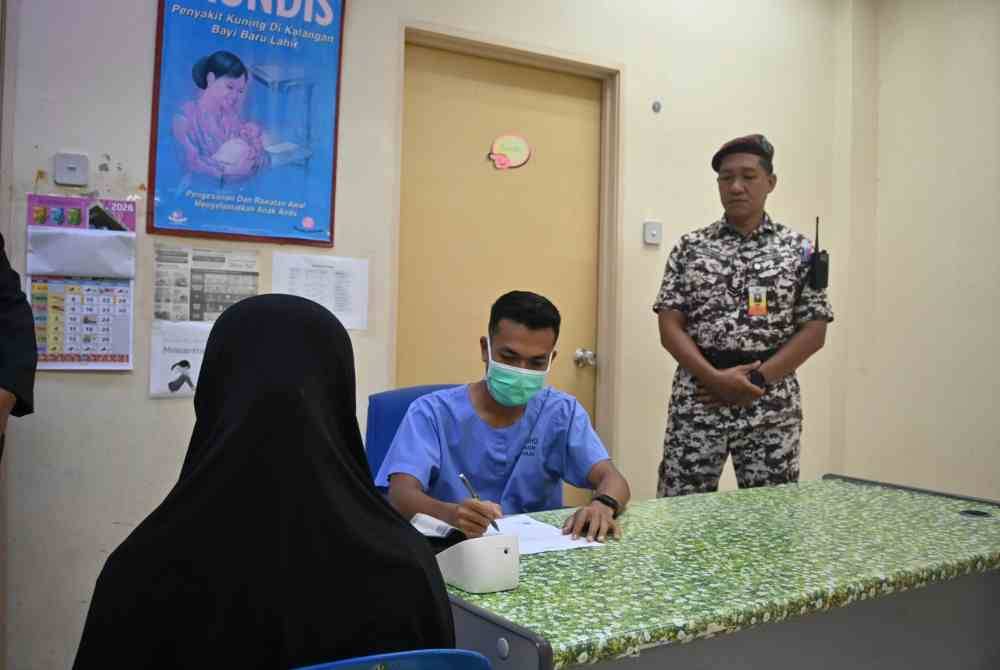
She said every female inmate undergoes a comprehensive health check, including a pregnancy test, and it is distressing that some only discover they are pregnant after being placed in prison.
"Some are shocked when told they are expecting. When asked, they only say their boyfriend had promised to marry them.
"At that point their emotions are in turmoil, not only are they facing a prison sentence, they also have to think about the fate of the child they are about to bring into the world out of wedlock," she said.
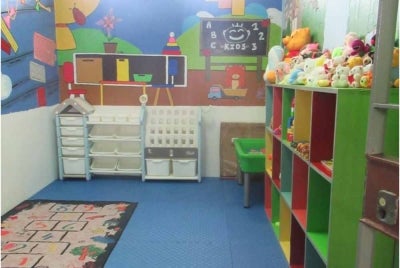
She added that pregnant female inmates are housed near the sickbay to make it easier for wardens to monitor their physical and emotional wellbeing.
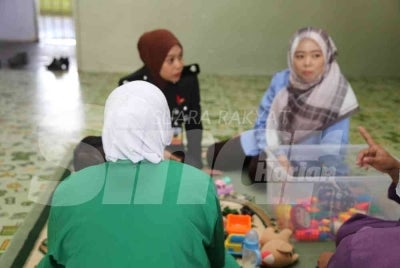
Prison staff, she said, constantly check in on them, offer moral support and ensure they do not feel isolated.
"We ask other female inmates to help and accompany them so they do not fall into depression.
"The emotional state of a pregnant woman is very important because two lives are involved. We do not want them to do anything unpredictable," she said.
Aznee added throughout the pregnancy, inmates are brought for regular check-ups at health clinics or hospitals on a scheduled basis, while their expected delivery dates are closely monitored to ensure both mother and baby receive prompt care when the time comes.
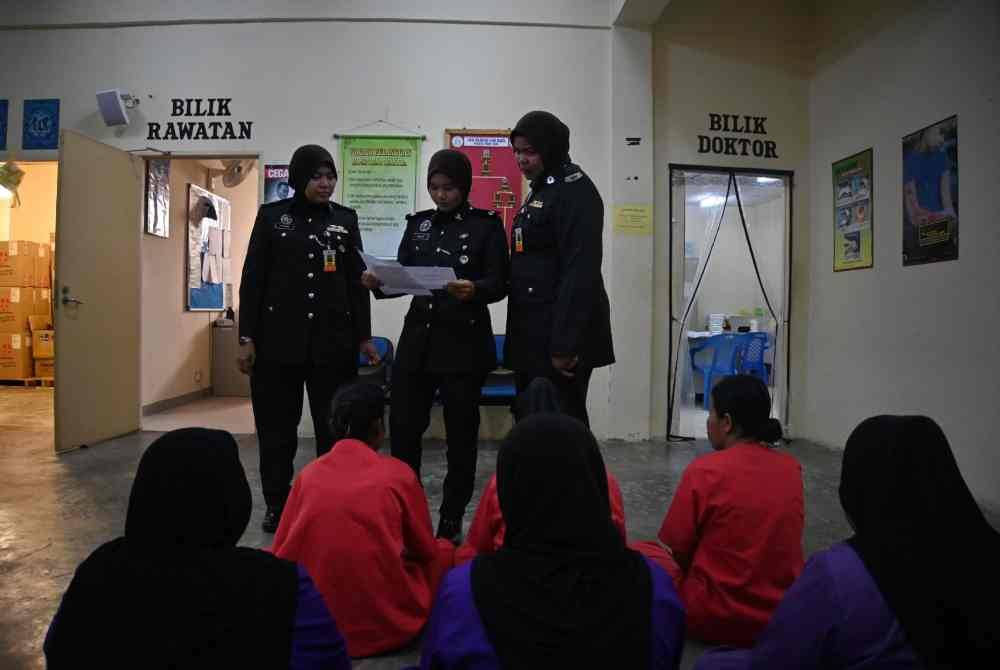
"When it is time for them to give birth, we accompany them to the hospital. There are occasions when I stay with them right up to the delivery room, as the safety and well-being of both mother and child remain our top priority."
"We treat them like our own family, whether they are local or foreign inmates. From before giving birth right through to after delivery, we try to ensure they receive the best possible care," she said.
Aznee said the prison also prepares baby essentials including new clothing, feeding bottles and disposable diapers.
She said after giving birth, the mother undergoes her postpartum confinement period in prison with the help of officers and fellow inmates.
The prison also works with the Social Welfare Department to handle birth registration until the baby's birth certificate is completed, she added.
Baby born in a van
Another prison warden, Inspector Farah Ishak, 40, also shared an unforgettable experience from her years of service.
She recalled an incident in 2020 when she was accompanying an Indonesian inmate in the final stages of labour to the hospital. During the journey, the woman's contractions became increasingly frequent, signalling that delivery was imminent.
"We did not make it to the hospital in time. The baby was born inside a Prison Department van.
"The staff present helped deliver the baby and wrapped the newborn in a batik cloth before we arrived at Sultanah Bahiyah Hospital," she said.
For both officers, the experience of caring for mothers and babies in prison has taught them that every person deserves a second chance to turn their life around.
They hope society will open its doors and accept former inmates, so that children born under such difficult circumstances are not made to continue paying for their parents' mistakes.
"Prison is not just about punishment, it is about education and rehabilitation. When they are released, it is the role of family and society to welcome them back.
"Children born in prison are innocent. They deserve to grow up like any other child and to have a better future," said Siti Noor Aznee.
Download Sinar Daily application.Click Here!