The Rohingya question
A wave of online criticism has thrust Malaysia's largest refugee community back into the spotlight, reviving debates over resources, rights and national priorities.


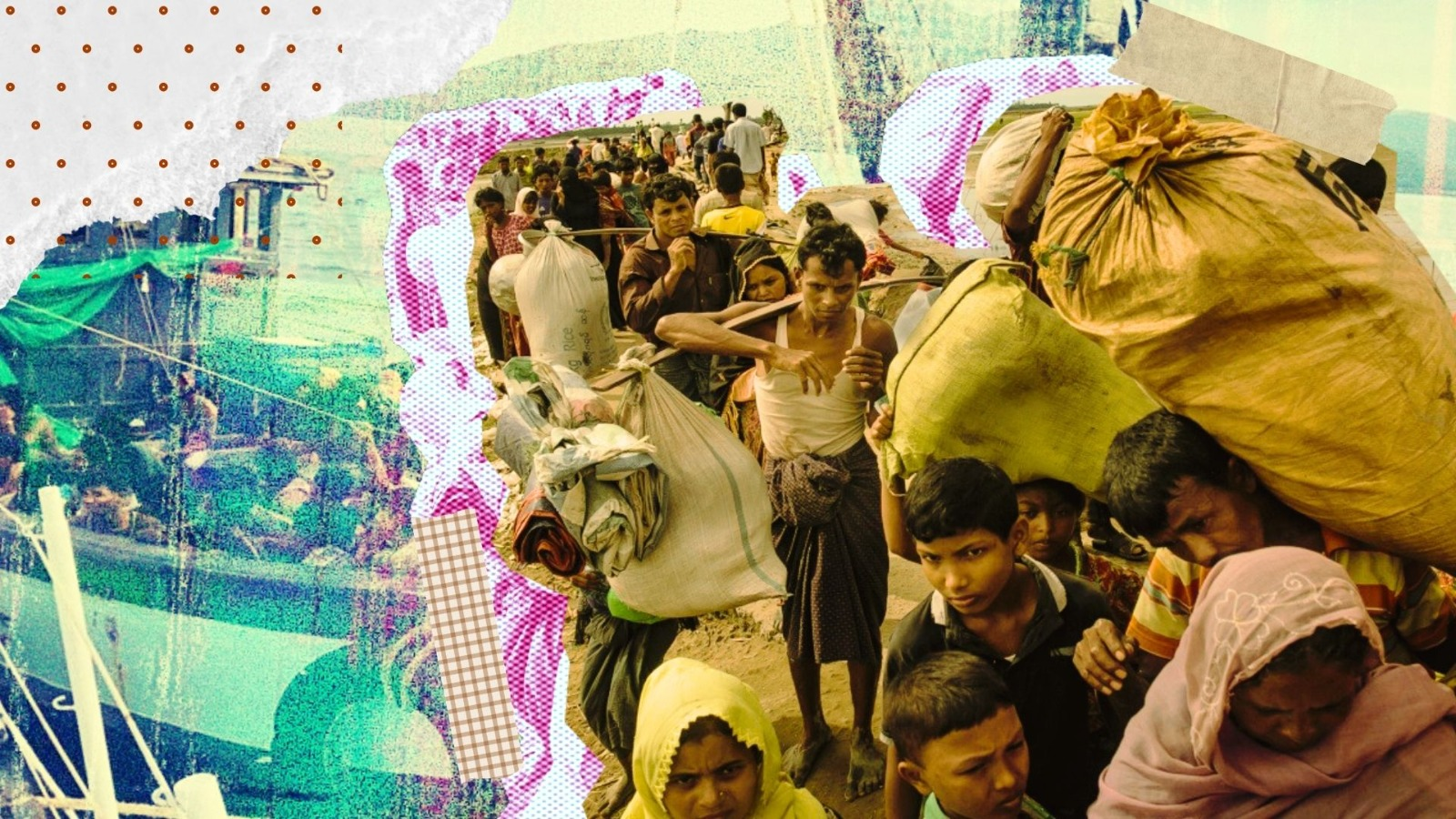
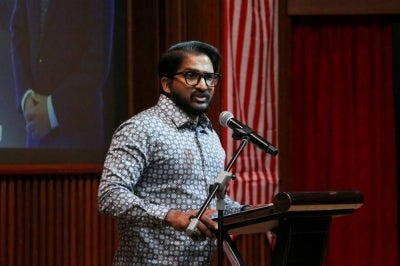
FOR 30 years, the man known online as Arakan Prince lived in Malaysia as a Rohingya refugee, without a country to call his own. Born to a family that fled persecution in Myanmar’s Rakhine State, he grew up in Malaysia - a country that offered safety but little legal recognition or a pathway to citizenship.
In early 2025, he captured public attention after sharing an emotional farewell video before leaving for the United States under a resettlement programme.
On his Facebook profile, he wrote: “REFUGEE. Born in Malaysia. NOT a Malaysian. Never claimed to be one. Stop spreading misinformation.” His departure resonated with many Malaysians who had followed his journey online.
Today, he is building a new life in the US as an aspiring fashion model.
However, his story is the exception rather than the norm.
Checks by Sinar Daily in Selayang found that some Rohingya communities have been living in Malaysia for more than 20 years.
Many were born and raised here, started families and now form multi-generational households, with second-generation refugees marrying within the community and continuing life in urban settlements.
Most work in the informal sector, earning a living through vegetable trading, manual labour and small-scale businesses.
Malaysia is home to about 215,000 registered refugees and asylum-seekers, according to the latest data from the United Nations High Commissioner for Refugees (UNHCR) as of February 2026.
Despite being registered with UNHCR, refugees in Malaysia are not legally recognised under domestic law, as the country is not a signatory to the 1951 Refugee Convention.
This places them in a legal grey area. While UNHCR cards provide some protection and access to limited services, they do not confer legal residency, employment rights or formal refugee status.
Access to healthcare remains one of the most pressing challenges. Refugees are generally charged 50 per cent of the foreigner rate at public hospitals and clinics, but even discounted fees remain unaffordable for many low-income families.
Some turn to the Refugee Medical Insurance (REMEDI) scheme, which costs RM183.60 annually and provides hospitalisation coverage of up to RM10,000 per admission, subject to an annual cap of RM20,000.
Others rely on out-of-pocket payments, charity support or NGO-run clinics that offer only basic care.
Education is another major barrier. Refugee children are not allowed to enrol in government schools and instead attend around 150 community-based learning centres across Peninsular Malaysia.
Run by NGOs, faith-based groups and refugee communities, these centres vary widely in quality and resources, with limited funding leaving many unable to meet growing demand.
Child protection concerns also persist, with UNHCR and partner organisations providing support in cases of abuse, neglect and exploitation, as well as psychosocial and legal assistance.
Against this backdrop, refugee issues continue to shape public debate in Malaysia, particularly as social media amplifies individual experiences and grievances.
Complaints shared online have at times intensified public frustration over access to public services. In one viral post, medical staff alleged a refugee patient refused to pay for treatment and presented a UNHCR card in place of payment.
In another case, an expectant Malaysian mother claimed her hospital stay was disrupted by another patient’s behaviour, including loud video calls and unhygienic practices.
A separate widely circulated video showed a refugee man allegedly assaulting his wife inside an e-hailing vehicle before confronting the driver who intervened.
Such incidents have fuelled broader criticism over pressure on public facilities, rising living costs and the sustainability of Malaysia’s current approach to refugee management.
Online discourse has increasingly reflected calls for stricter enforcement and questions over national priorities.
Some users have also raised recurring concerns over why Malaysia continues to host Rohingya refugees despite Myanmar’s refusal to accept their return, reflecting a debate that remains unresolved and deeply polarising.
Download Sinar Daily application.Click Here!