Extreme weather hits children hard, Unicef calls for urgent phasing out of fossil fuels
The agency’s Children’s Climate Risk Report 2026, released this week, disclosed painful realities of nearly half of the world’s children or 1.1 billion, who are suffering from overlapping climate hazards.

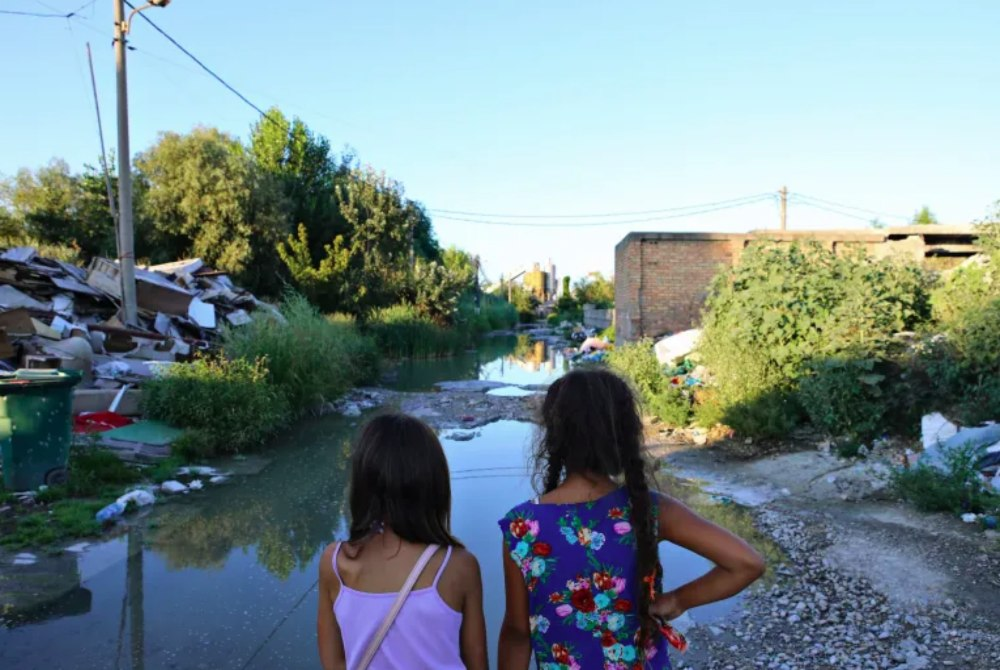
PHNOM PENH - A United Nations agency is calling on countries to urgently reduce emissions, phase out fossil fuels, and accelerate the shift to renewable energy to protect children worldwide.
The United Nations Children’s Fund (Unicef) said more children are being exposed to harsh weather conditions, which is threatening their health, education, and lives.
The agency’s Children’s Climate Risk Report 2026, released this week, disclosed painful realities of nearly half of the world’s children or 1.1 billion, who are suffering from overlapping climate hazards.
The eight most frequent climate threats to children are coastal floods, droughts, extreme heat, fires, heatwaves, riverine floods, sand and dust storms, and tropical storms.
"The lives of children continue to be upended by the impact of heatwaves, wildfires, droughts, and floods.
"Half of the world’s children are now living with at least three overlapping climate threats shaping their daily lives,” said Unicef Executive Director Catherine Russell in a press statement.
In the Sahel region of Africa, considered the worst hit, over four million children face the triple threat of heatwaves, extreme heat, and sand and dust storms.
Elsewhere, across Asia, children in countries like Bangladesh, Myanmar, and Pakistan, are exposed to more climate hazards at once and at a higher intensity than anywhere else in the world, said the report.
Families are displaced by storms and floods, record-smashing heat causes widespread heatstroke and dehydration, while droughts lead to food and nutritional insecurity.
As a consequence, climate risks exacerbate deadly infectious diseases such as dengue and malaria, and lead to air-polluting wildfires.
"Children are disproportionately affected by the consequences of climate hazards, as their developing bodies make it harder for them to cope with the physical and psychological stresses.
"They also increasingly experience displacement and instability in the wake of climate shocks, further worsening their vulnerabilities,” said the report.
Unicef also urged policymakers and businesses to protect children through inclusive climate adaptation programmes and empower young people through climate education.
"When we strengthen health and education systems and improve infrastructure with children in mind, we protect them from today’s climate threats and help secure their future,” said Russell. - BERNAMA
Download Sinar Daily application.Click Here!