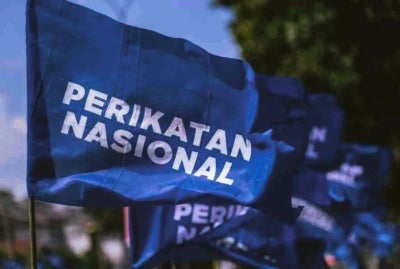
BN courts Pas, “benches” MCA: A winning strategy or scoring own goal?
BN’s seat-sharing deal for the Melaka election may help avoid vote-splitting, but MCA’s reduced allocation raises questions about coalition unity and whether an old ally is being sidelined to accommodate a new partner.


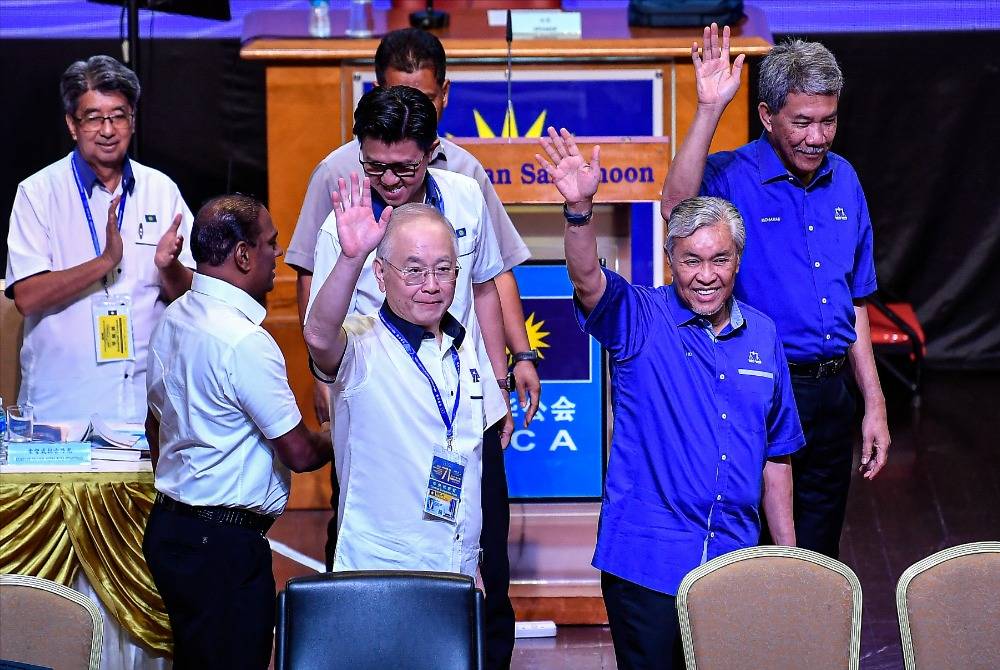
IN football, signing a new striker may give a club greater firepower, but it can also unsettle the team if an established player who has served it for years suddenly finds himself on the bench.
A manager may have tactical reasons for changing the line-up, but winning matches requires more than assembling the strongest team on paper. It also means keeping the dressing room united.
In Melaka, Barisan Nasional (BN) faces a similar dilemma.
By making room for Pas in its seat-sharing arrangement, BN may improve its electoral prospects. But MCA, a long-standing coalition partner, has seen its allocation slashed from seven seats in the 2021 state election to just two this time.
The question is whether BN can strengthen its line-up with a new partner without demoralising an existing player whose support it still needs on the ground.
BN will contest 21 of Melaka’s 28 state seats, leaving seven for Perikatan Nasional (PN) and its political allies.
MCA’s reduced allocation has sparked open discontent, with its leaders walking out of BN’s candidate announcement on Oct 24 over what they said was a lack of proper consultation.
For Umno, cooperation with Pas has an electoral logic. Both parties compete for overlapping Malay-Muslim support, and avoiding direct contests could prevent their votes from being split between rival candidates.
Pas, meanwhile, gains the opportunity to contest more seats under an arrangement that reduces competition with BN.
There is a precedent for this strategy. In Negeri Sembilan, the BN-Pas pact paid electoral dividends in the Aug 1 state election, with BN winning 18 seats and Pas and its allied partners seven, resulting in a combined 25 of the 36 seats.
Can the same formula work in Melaka?
The Negeri Sembilan results strengthen the case for electoral cooperation, but they do not guarantee a repeat.
Each state has its own political dynamics, local loyalties and candidate considerations. What works in one state may not translate into success elsewhere.
More importantly, an electoral pact between rival coalitions is not the same as unity within a coalition.
BN must persuade Umno and Pas supporters to work together while ensuring that its own component parties remain committed to the campaign.
Umno and Pas have spent years competing against each other, and their grassroots may not readily embrace a partnership simply because their leaders have agreed to it.
Nor can BN assume that MCA’s grassroots will remain enthusiastic if they believe the party’s interests have been sacrificed to accommodate Pas.
MCA’s dissatisfaction goes beyond losing five seats from its previous allocation.
It raises questions about the party’s standing within BN and whether long-standing partners still have a meaningful voice in decisions affecting their political future.
How can MCA be expected to campaign enthusiastically under the BN banner if its leaders feel they have not been adequately consulted?
MCA has made its discontent public. Whether this translates into weaker campaigning or changes in voter behaviour remains to be seen.
Three factors will matter in determining whether the seat-sharing arrangement succeeds in Melaka.
First, will MCA accept the allocation and mobilise its machinery? A settlement at the leadership level may calm the immediate dispute, but effective cooperation depends on whether its state leaders and grassroots are willing to campaign with conviction.
Second, can Umno and Pas persuade their supporters to work together despite years of rivalry? Seat-sharing may prevent competing candidates, but it cannot guarantee that voters will transfer their allegiance to a former opponent.
Third, can BN convince voters that the arrangement is more than a tactical deal to maximise seats? Voters will judge the candidates, the issues and the credibility of the parties seeking their support.
BN’s performance in the 2021 Melaka election provides a benchmark, but past results offer no guarantee of future support, particularly under a different political arrangement.
The seven seats allocated to Pas and its allies could help BN avoid competing against its new partner.
Yet the outcome will also depend on candidate quality, local issues, turnout and whether dissatisfaction within the coalition affects campaigning on the ground.
It would be premature to conclude that MCA’s unhappiness will cost BN votes, just as it would be wrong to assume that cooperation with Pas will automatically consolidate support.
Political alliances must adapt to changing circumstances. No party can expect its position to remain unchanged indefinitely, and electoral cooperation often requires compromise.
But there is a difference between reshaping a team to meet new challenges and leaving existing players feeling that their contributions no longer count.
BN’s cooperation with Pas may strengthen its electoral position, as the Negeri Sembilan results suggest is possible.
But Melaka presents a different test. Can BN replicate that success without weakening relationships it still needs on the ground?
Seat allocation may be settled at the leadership level, but the real measure of unity will be whether the coalition’s machinery remains willing to work together when the campaign begins.
A stronger squad means little if the team cannot play as one.
Download Sinar Daily application.Click Here!