Melaka polls nomination day to reveal final line-up, coalition clashes and electoral strategies
Analysts described disagreements over seat allocations as part of the usual political bargaining process, with parties seeking to secure constituencies they believe they can win.


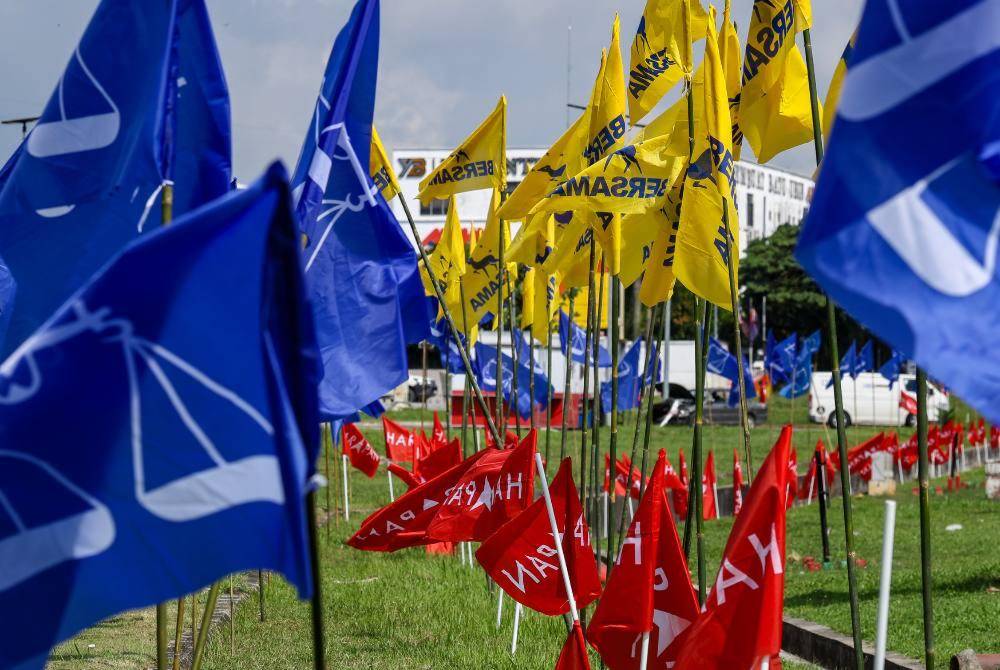
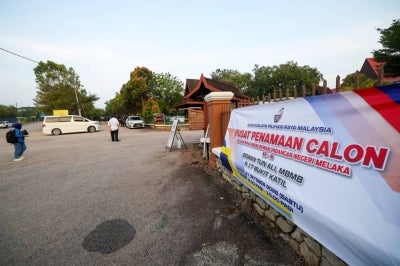
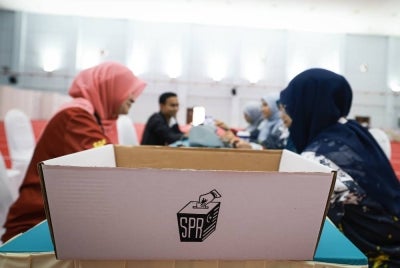
MELAKA - The final candidate line-up, possible multi-cornered contests and the ability of political coalitions to present a united front will be among the key developments to watch as parties prepare for nomination day for the 16th Melaka state election today.
International Islamic University Malaysia political analyst Associate Professor Dr Syaza Shukri said although parties had announced their potential candidates, last-minute changes could still emerge before nominations close, particularly in constituencies where overlapping contests remain possible.
“While there should be limited overlapping contests, given the memorandum of understanding (MoU) between Barisan Nasional (BN) and Perikatan Nasional (PN), as well as the Confidence and Supply Agreement (CSA) between Pakatan Harapan (PH) and Bersatu, some PH-Bersatu clashes are already emerging in certain seats.
“The appearance of Parti Bersama Malaysia (Bersama) also adds another dimension, so it remains important to see where multi-cornered contests may occur,” she told Sinar Daily.
Political analyst Dr Oh Ei Sun expects coalition arrangements to shape the electoral landscape, with BN potentially aligning with Pas and its associated parties, while PH could cooperate with Bersatu and possibly Muda.
He said political parties are likely to pursue mutually beneficial alliances ahead of the election, potentially creating a contest between two major electoral camps.
“Once nominations close, the final list of candidates and coalition arrangements will be important to watch, as they will provide a clearer picture of the competing sides,” he said.
Both analysts described disagreements over seat allocations as part of the usual political bargaining process, with parties seeking to secure constituencies they believe they can win.
Syaza said the focus would shift towards electoral strategies once negotiations were concluded, adding that coalition partners should maintain cordial relationships throughout the campaign.
Oh said parties would continue balancing their individual interests with the need to preserve coalition unity, citing the 2020 Sabah state election as an example of seat negotiations extending until shortly before nomination.
He also said parties could make decisions that prioritised their electoral interests, even at the expense of their allies.
Beyond coalition arrangements, the analysts said candidate selection and the strength of party machinery would be crucial in determining electoral performance.
“Voters in state elections tended to place greater emphasis on individual candidates than in parliamentary contests, as assemblymen were expected to address local concerns.
“Parties need to balance experienced candidates with fresh faces, particularly younger contenders who understand local issues and community needs,” Syaza said.
Oh similarly highlighted the importance of candidates having strong local influence, a proven track record, a positive public reputation and established grassroots connections.
However, he stressed that popular candidates alone might not guarantee success without effective party machinery to convert public support into votes.
Syaza also said another key factor would be whether coalition partners could demonstrate effective cross-party cooperation and actively support one another during the campaign.
“Now that seat negotiations are over, the next challenge is how quickly parties can shift their attention from high-level political discussions towards addressing the concerns and needs of local communities,” she said.
Oh urged observers to avoid drawing conclusions immediately after nomination day, saying the campaign period would provide a clearer indication of each party’s performance on the ground.
“Ultimately, candidate strength, organisational readiness, coalition coordination and grassroots support will all be important factors in assessing which parties are better prepared for the campaign.
“However, I believe observers should allow some time after nomination day before drawing conclusions. After approximately a week of intense campaigning, we may begin to get a clearer sense of the electoral momentum and how the competing parties are performing on the ground,” he said.
The Election Commission (EC) set Nov 14 as polling day for the election following the dissolution of the 28-seat Melaka State Legislative Assembly on Sept 23, announced by Chief Minister Datuk Seri Ab Rauf Yusoh.
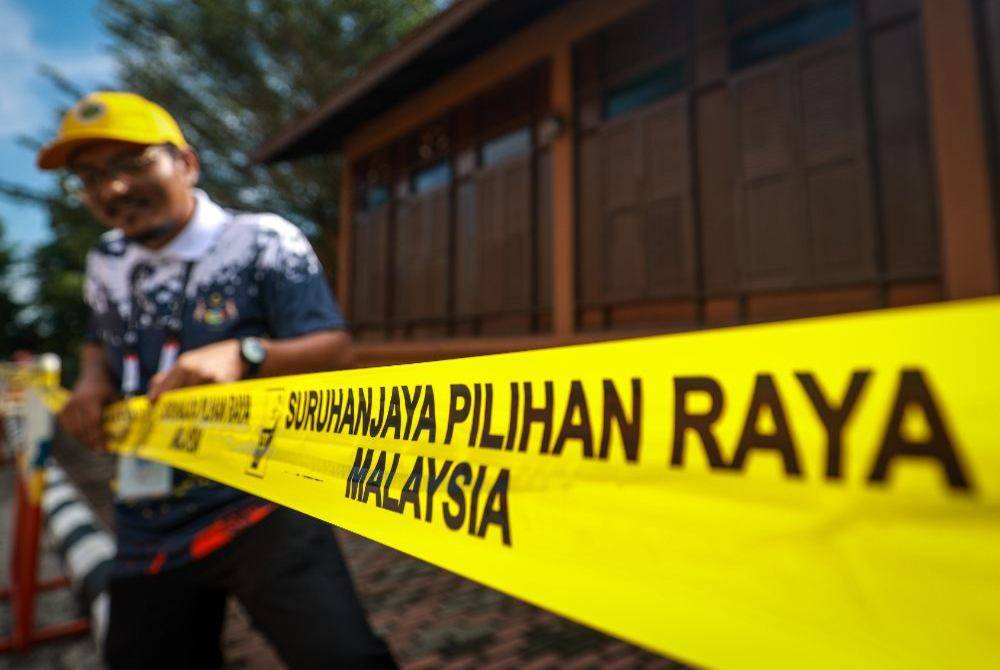
Nomination day is scheduled today, while early voting will take place on Nov 10. The 14-day campaign period will end at 11.59pm on Nov 13.
A coalition needs at least 15 seats to form the state government, while 19 seats are required for a two-thirds majority.
In the previous state election in 2021, BN won 21 seats, PH secured five, while PN took two.
Download Sinar Daily application.Click Here!