115-million-year-old dinosaur fossil yields oldest confirmed evidence of blood
Researchers identified mineralised red blood cells and intact haem-derived biomolecules in the limb bones of a 115-million-year-old theropod dinosaur recovered in northeastern Brazil.

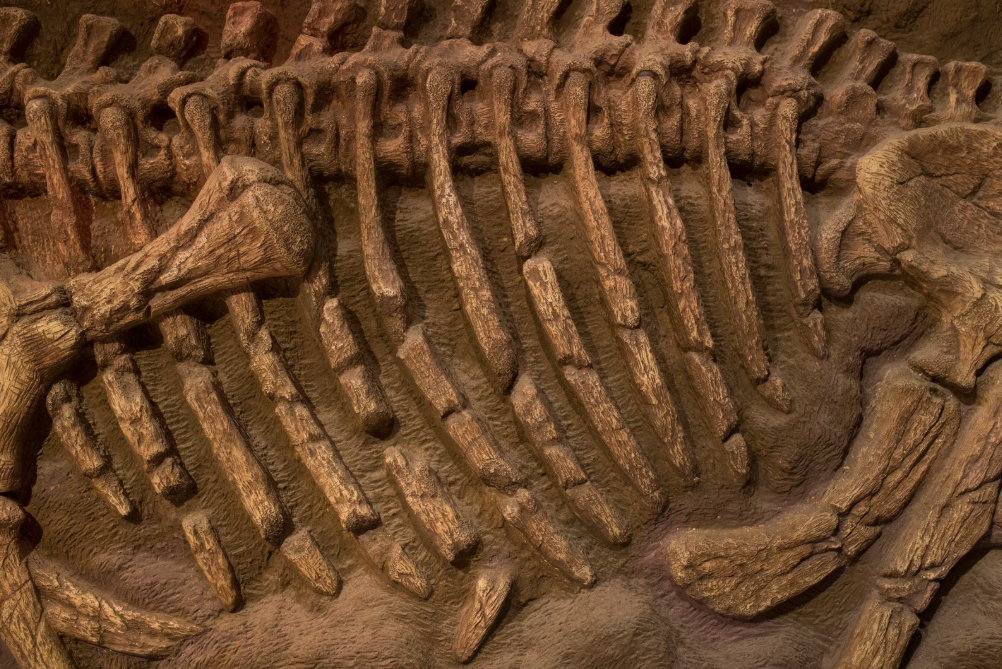
SYDNEY - An international research team has discovered what it describes as the oldest unequivocal evidence of fossilised red blood cells and collagen amino acids in the bones of a 115-million-year-old dinosaur, reported Xinhua.
Researchers identified mineralised red blood cells and intact haem-derived biomolecules in the limb bones of a 115-million-year-old theropod dinosaur recovered in northeastern Brazil, according to a statement released by Australia’s Curtin University.
The bones contained numerous red blood cells preserved within vascular canals.
While previous studies have reported possible red blood cell structures in fossils, this is the first study to chemically confirm the presence of haemoglobin-derived molecules within the cells.
The red blood cell-like structures were mineralised with hausmannite, which may have helped preserve their cellular structure and associated biomolecules over millions of years, according to the study published in the journal Proceedings of the National Academy of Sciences.
Researchers from Australia, Japan, Brazil and the United States (US) believe the exceptional preservation resulted from the dinosaur being rapidly buried in a low-oxygen, microbially rich environment shortly after its death.
Lead author Kliti Grice, a distinguished professor at Curtin University, said the discovery challenged longstanding assumptions that biomolecules such as haemoglobin could not survive over geological timescales.
The findings could open new avenues for studying the evolution of blood, metabolism and activity levels in ancient animals, while also offering insights relevant to the search for ancient life in the cosmos, the researchers said. - BERNAMA-XINHUA
Download Sinar Daily application.Click Here!