Unknown-source medicines pose growing online threat as MOH records 101 complaints in 2026
The forum aimed to reinforce the Ministry’s existing Tolak Ubat Tidak Sah (TOBaTS) public-awareness initiative by encouraging Malaysians to verify medicine sources, seek legitimate access and make informed decisions before purchasing or using health products.


SHAH ALAM - Malaysia’s growing online market for medicines and health products has raised concerns over consumer safety, with the Health Ministry (MOH) recording 101 complaints and conducting 47 raids involving weight-loss products in the first nine months of 2026.
Of the raids, 30 were linked to online sales, with seized products valued at RM771,517, highlighting the risks associated with medicines obtained through unfamiliar or unauthorised sources.
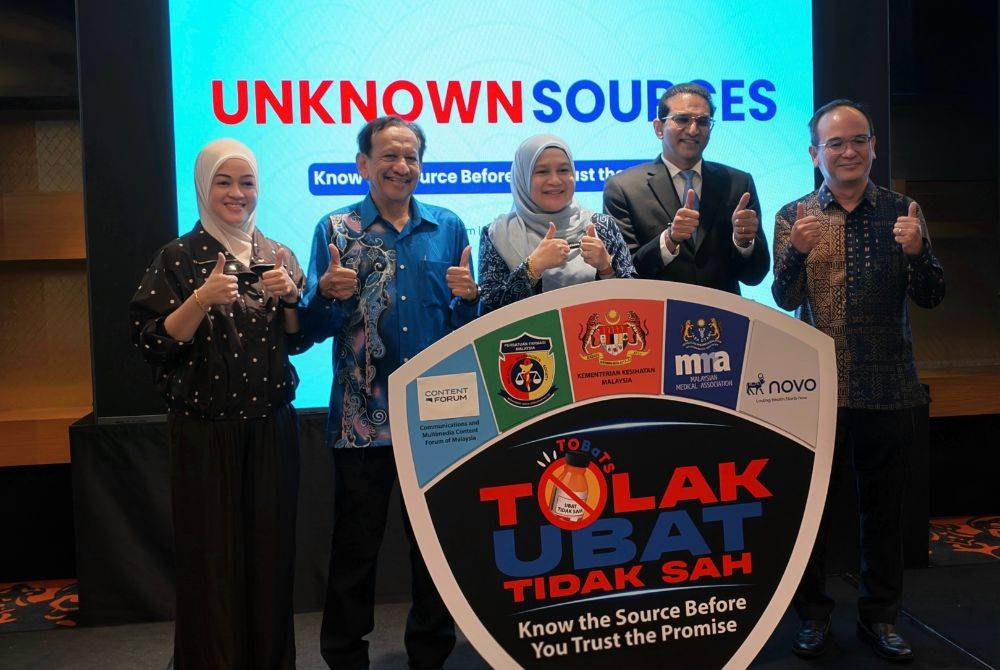
The figures were highlighted at the Unknown Sources: Know the Source Before You Trust the Promise forum, supported by Novo Malaysia, which brought together MOH, Pharmacy Enforcement Division (BPF), Malaysian Medical Association (MMA), Malaysian Pharmacists Society (MPS), Communications and Multimedia Content Forum of Malaysia and other stakeholders.
The forum aimed to reinforce the Ministry’s existing Tolak Ubat Tidak Sah (TOBaTS) public-awareness initiative by encouraging Malaysians to verify medicine sources, seek legitimate access and make informed decisions before purchasing or using health products.
As public interest in medicines for chronic conditions, including diabetes and weight management, continues to grow, stakeholders warned that increasing demand could also create opportunities for misleading claims, inappropriate access and illegal supply channels.
Medicines obtained from unknown sources may be unregistered, illegally supplied, advertised inappropriately or stored under uncertain conditions. Consumers may also obtain them without the clinical assessment and professional supervision needed to ensure their safe use.
Deputy Director-General of Health (Pharmaceutical Services) Dr Azuana Ramli said consumers needed to be more vigilant as access to medicines increasingly moved online.
“Patient safety begins long before a medicine is taken.
“As access to medicines becomes increasingly digital, consumers must be empowered to verify medicine registration, purchase from legitimate sources, seek professional advice when needed, and report suspicious products or activities,” she said.
The Ministry has also introduced holographic security labels on all registered pharmaceutical products to help consumers identify legitimate medicines. The authenticity of the labels can be checked through the MyUbat smartphone application.
Enforcement operations have also highlighted the scale of illegal pharmaceutical sales in Malaysia.
During Operation Pangea XVIII Malaysia in 2026, authorities seized 130,678 illegal pharmaceutical products worth RM3.15 million, while 2,294 online links associated with illegal pharmaceutical sales were blocked and removed.
BPF also inspected 497 postal packages, resulting in the seizure of 49 packages containing illegal pharmaceutical products valued at RM766,721.
BPF director Mohd Zawawi Abdullah said public vigilance and reporting were essential to help authorities identify suspicious products and illegal activities.
“Medicines obtained from unknown or unauthorised sources pose serious risks to public health. Public vigilance and reporting are essential in helping authorities detect suspicious products and illegal activities.
“BPF takes proactive enforcement measures, including continuous monitoring, blocking and takedown of illegal online advertisements, seizures as well as investigations and prosecution of sellers who violate the law.
“Close collaboration with other enforcement agencies, pharmaceutical industries, e-commerce platforms, influencers and other relevant stakeholders is essential to strengthen information sharing, coordinate enforcement actions and combat the illegal sale of medicines, particularly through online platforms,” he said.
Malaysian Medical Association president Dr Sivanaesan Letchumanan said consumers should look beyond whether a medicine appeared genuine, as its suitability for an individual and the availability of proper medical supervision were equally important.
“The question is not only whether a medicine appears genuine. We also need to ask whether it is appropriate for that person, whether they have been properly assessed and who is monitoring their treatment.
“A consultation gives doctors the opportunity to understand a person’s medical history, existing conditions, other medicines and potential risks before treatment begins. It also provides follow-up if there are side effects, concerns or a need to review treatment.
“Those safeguards cannot be replaced by an online listing, a testimonial or advice from an anonymous seller,” he mentioned.
Malaysian Pharmacists Society president Honorary Prof Amrahi Buang said licensed pharmacies played an important role in ensuring medicines were obtained and used safely.
“A licensed pharmacy is not simply a place where a medicine changes hands. It is an important safety checkpoint. Consumers may not be able to determine from a photograph or online listing how a medicine has been transported or stored.
“Pharmacists can help people understand registration and prescription requirements, correct use and storage considerations, while providing a professional point of accountability when something is unclear,” he said.
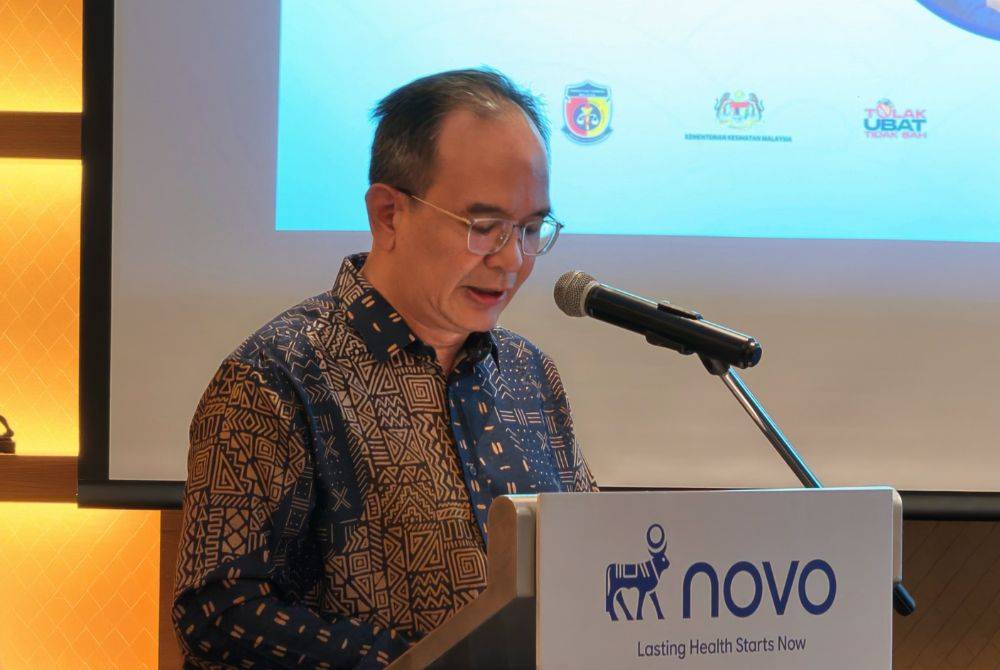
Novo Malaysia Market Access and Public Affairs director Tee Loong Tek, said the company was supporting the Ministry's existing awareness platform by bringing stakeholders together to promote responsible medicine access.
“People are encountering more health information, more claims and more offers than ever before. That can be positive when it encourages people to understand their health and seek appropriate support, but it also makes trusted information and legitimate pathways increasingly important.
“TOBaTS is MOH’s established public-awareness platform. Novo is supporting that work by helping extend the conversation around responsible medicine access and bringing different stakeholders together around one simple principle: know the source before you trust the promise,” he said.
The forum concluded by urging Malaysians to take three practical steps when considering medicines: consult a qualified healthcare professional before taking medication, authenticate products and their FarmaTag holograms through the MyUBAT application and report suspicious products, advertisements or sellers to the relevant authorities.
Download Sinar Daily application.Click Here!