Indonesia fires burn 2.88 million hectares amid El Nino drought
Satellite monitoring group warns the estimated burned area could rise further as smoke clears and more fire damage becomes visible
AGENCY
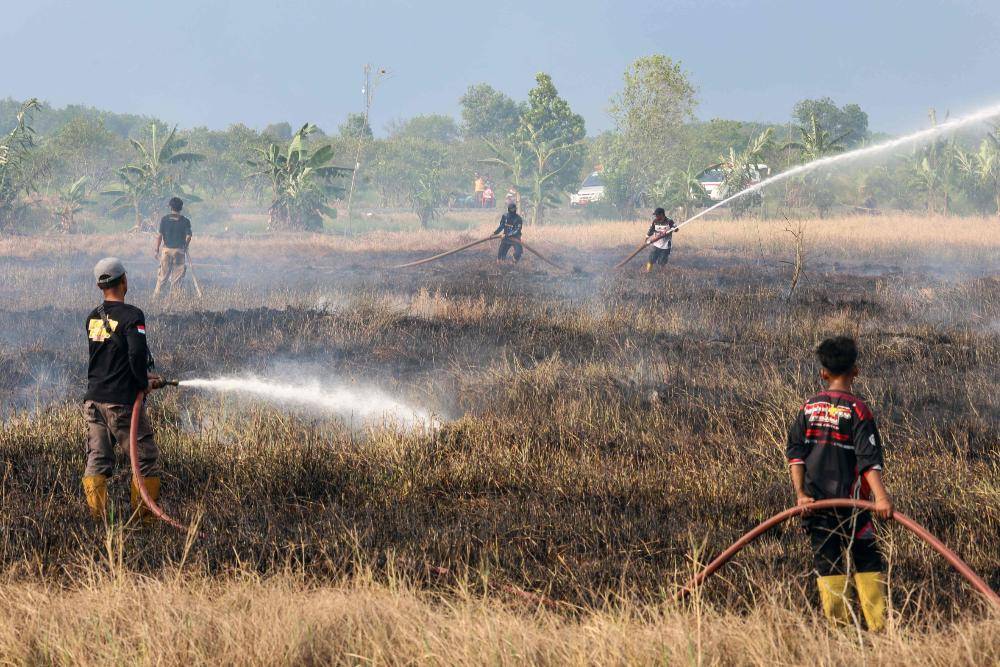
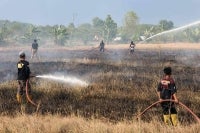
JAKARTA – Fires in Indonesia have burned 2.88 million hectares of land so far this year, with an intense El Nino-driven drought contributing to the severity of the blazes, according to a satellite imagery monitoring group.
The affected area, equivalent to 18 times the size of London, has increased by nearly one million hectares since the last update by deforestation monitoring site Nusantara Atlas in September.
Indonesia's government has yet to release updated official figures, with its last announcement stating that 202,000 hectares had been burned by the end of July.
Nusantara Atlas founder David Gaveau said the figure, based on satellite analysis up to the end of October, was a conservative estimate as smoke had obscured some areas from satellite images.
However, the estimated burned area had already surpassed the full-year figure for 2019, previously the worst year on record in Nusantara Atlas' data.
Indonesia also experienced devastating fires in 2015, although differences in satellite imagery used that year made direct comparisons difficult.
"Basically, it's a really bad year," Gaveau told AFP.
The arrival of rain has helped bring some of the worst fires under control, while monitoring data showed the number of hotspots beginning to stabilise or decline.
However, the total burned area is expected to increase as some fires remain active and previously smoke-obscured burn scars become visible in satellite images in the coming months.
Forestry Ministry spokesman Ristianto Pribadi told AFP that the government was still updating its estimates of land affected by the fires.
"Updating the data on the size of land and forest fires-affected areas requires in-depth confirmation and verification," he said.
"At the moment, we cannot yet confirm a schedule for the announcement."
Indonesia experiences fires during every dry season, but this year's blazes have been particularly severe, partly due to an intense drought associated with the El Nino weather pattern.
Experts said the fires were also linked to decades of deforestation and the drying of peatlands for plantations, leaving large areas more vulnerable to fires.
The blazes have caused severe local pollution, affecting hundreds of thousands of people and sending haze into neighbouring countries, including Malaysia and Singapore. –AFP
Download Sinar Daily application.Click Here!