KPDN mulls regulations to let consumers check halal status of chicken
Minister says proposal will strengthen oversight of slaughterhouses and chicken sales premises
AGENCY
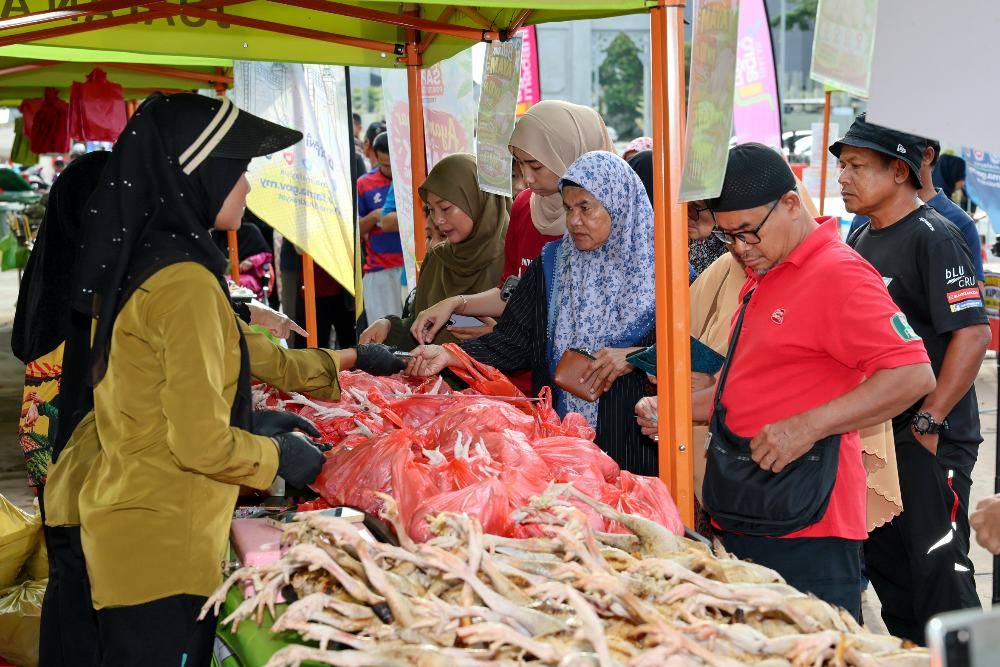
KUALA LUMPUR – The Domestic Trade and Cost of Living Ministry (KPDN) is prepared to introduce regulations under the Trade Descriptions Act 2011 to allow consumers to check the sources of chicken supplied by slaughterhouses and the halal certification status of chicken sold in the market.
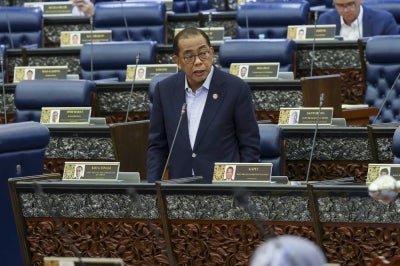
Minister Datuk Armizan Mohd Ali said the move was among efforts to strengthen protection for Muslim consumers following concerns raised by several MPs over the monitoring and transparency of the halal status of chicken supplies.
He said KPDN also agreed with a proposal by Datuk Idris Ahmad (PN-Bagan Serai) that responsibility for ensuring the integrity of the halal supply chain should not rest solely with the Department of Islamic Development Malaysia (JAKIM) and state religious authorities, but should also involve KPDN in enforcement and local authorities (PBT) in monitoring business premises.
"Therefore, KPDN will propose better coordination with state religious authorities, local authorities and the Health Ministry to improve the monitoring of slaughterhouses and chicken sales premises," he said in the Dewan Rakyat today.
He was winding up the debate on the Supply Bill (Budget 2027) and the 2027 Development Expenditure Estimates at the committee stage for his ministry.
On the proposal to restrict eligibility to purchase packet cooking oil to recipients of the Sumbangan Asas Rahmah (SARA) assistance, Armizan said it was a good suggestion, but its implementation would need to be phased in to avoid affecting small traders, including night market vendors.
He said the government first needed to stabilise the implementation of targeted diesel and petrol subsidies before considering more comprehensive reforms to subsidies for other essential goods.
On the Electronic Cooking Oil Price Stabilisation Scheme (eCOSS), Armizan said the system enabled the government to obtain more comprehensive data on the supply, sale and purchase of packet cooking oil, helping it determine quota reductions and better target subsidies based on actual data.
"eCOSS was introduced in May 2023 to monitor the distribution of subsidised packet cooking oil from repackagers to wholesalers and retailers. This was followed by the Mobile eCOSS application, which records consumers' purchase details through QR code scanning," he said.
Earlier, during the debate, several MPs raised concerns about enforcement at chicken slaughterhouses whose halal status was in doubt, following a recent raid on a slaughterhouse in Puchong that led to the seizure of 6.5 tonnes of raw chicken and the arrest of 12 foreign workers.
Among them was Idris, who stressed that the issue should not be viewed from a political perspective but treated seriously, as it could undermine consumer confidence in the halal status of food products in the country.
Meanwhile, Mohamad Shafizan Kepli (GPS-Batang Lupar) proposed that the ministry consider issuing BUDI MADANI petrol and diesel sales permits to selected grocery shops in remote areas, as well as providing MyKad verification terminals to allow eligible residents to access subsidies without compromising efforts to prevent leakages.
The Dewan Rakyat subsequently approved KPDN's 2027 operating and development expenditure estimates totalling RM2,366,037,400 by a majority vote after 17 MPs took part in the debate. –BERNAMA
Download Sinar Daily application.Click Here!