BN-PN votes at risk, PH could snatch two state seats - Analyst
Developments over the nearly two weeks of campaigning have prompted some political analysts to predict that internal issues could undermine cooperation between BN and PN.


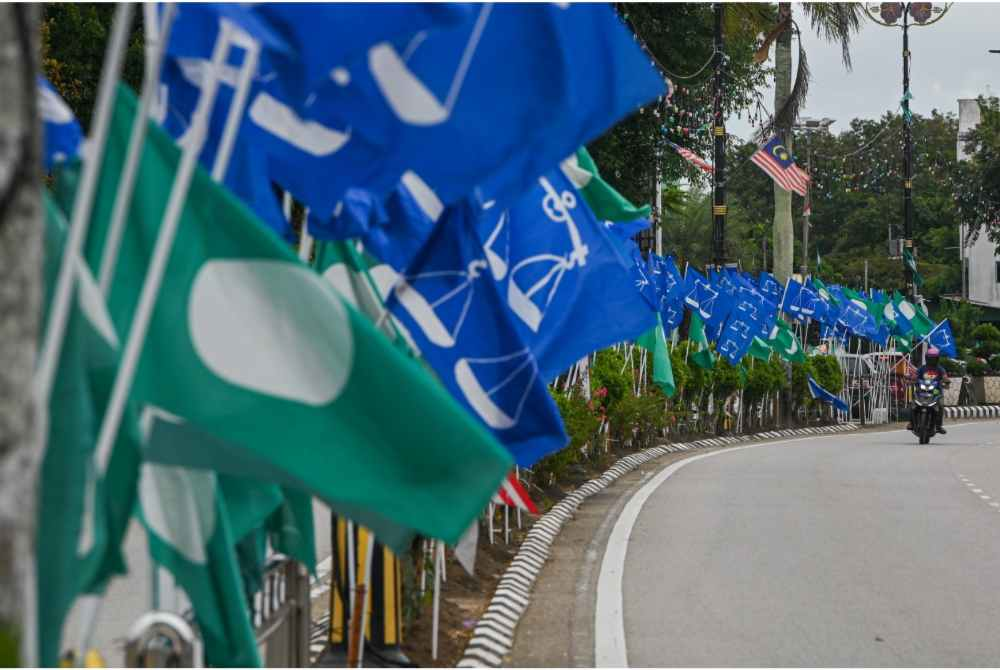
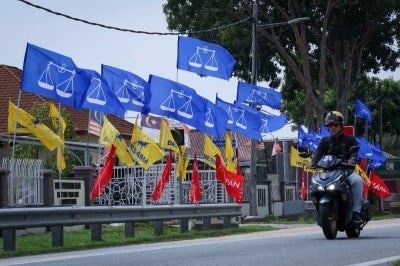
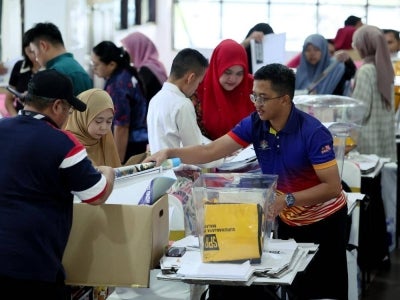
THE upcoming Melaka state election, which takes place tomorrow, is expected to draw significant public attention.
The election comes amid several high-profile political developments, including the conditional pardon issue involving former prime minister Datuk Seri Najib Razak, which allows him to serve the remainder of his sentence under house arrest, as well as the resignation of Transport Minister Anthony Loke.
On paper, Perikatan Nasional (PN) and Barisan Nasional (BN) appear to have strong chances of maintaining the status quo.
This is because Melaka has approximately 23 state constituencies with Malay-majority voters, while the remaining five are mixed seats and areas with a Chinese-majority electorate.
Taking into account the results of the previous two state elections, which saw the so-called 'Blue Wave' comprising BN and PN secure major victories in Johor and Negeri Sembilan, the Malay and Islamic narrative championed by the BN-PN alliance could theoretically influence voter support in Malay-majority constituencies.
Based on this assessment, most political observers believe BN-PN have a greater chance of winning more than the 23 state seats they secured in the 2021 Melaka state election, when BN won 21 seats and PN secured two.
However, developments over the nearly two weeks of campaigning have prompted some political analysts to predict that internal issues could undermine cooperation between BN and PN.
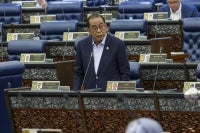
Universiti Teknologi Malaysia (UTM) Kuala Lumpur Faculty of Social Sciences and Humanities director Associate Professor Dr Mazlan Ali said there may be dissatisfaction within PN because it was only allocated a small number of seats to contest.
"Logically, when two parties have formed an alliance, seat distribution should be more balanced. BN only allocated two Malay-majority seats for PN to contest and even those are considered relatively challenging constituencies.
"On the other hand, BN chose to contest 23 seats, including constituencies considered more favourable to the party," he told Sinar.
Mazlan predicted that vote transferability between BN and PN might not work smoothly, potentially affecting the Blue Wave's chances, unlike the situation in the Johor and Negeri Sembilan state elections.
"On the issue of vote transferability, I am confident that Pas voters are likely to support BN candidates.
"However, when it comes to BN voters, particularly Umno supporters, backing Pas candidates and other PN component parties, I believe the percentage could be lower.
"For example, if 80 per cent of Pas voters are willing to transfer their votes to BN candidates, I estimate that support from BN or Umno voters for Pas candidates could be lower, at around 60 per cent.
"This creates an imbalance in terms of vote transferability between the two parties," he said.
Challenges
Mazlan's views were echoed by Ilham Centre executive director Hisomudin Bakar, who said PN candidates, including those from Pas, could face difficulties securing BN supporters' votes at a rate equal to or higher than the vote transferability recorded in the previous two state elections.
"I visited several constituencies and observed the situation among Pas voters firsthand. Not all areas have the same pattern of support.
"In some constituencies, there is better acceptance of the BN-PN alliance among supporters, but in others, Pas faces greater difficulties," he said.
Apart from the challenge of achieving a high rate of vote transferability between BN and PN, another factor that could affect the Blue Wave is voters' perceptions of viral issues surrounding integrity and transparency that have plagued BN throughout the election campaign.
These include issues involving Tabung Haji, the Felda scandal and most notably, the RM50 million donation to Najib and the special order allowing him to serve his sentence at home.
"I see this situation as quite damaging to BN's image because transparency and integrity are major concerns, particularly among urban voters and younger voters.
"As such, BN-PN's mission to capture approximately seven state seats categorised as urban and mixed constituencies appears more challenging," Mazlan said.
Assessing the current situation after more than 10 days of campaigning, Mazlan said he was confident that Pakatan Harapan (PH) could at least retain the five state seats it won previously.
He added that PH also had the potential to gain another two to three seats, including Paya Rumput, Gadek and Pengkalan Batu.
"However, it is difficult to make highly accurate predictions as other factors could influence the outcome, including the emergence of Parti Bersama Malaysia (Bersama).
"I believe Bersama could potentially attract between nine and 10 per cent of the votes.
"The votes secured by Bersama could potentially affect PH's support, particularly among Chinese voters.
"However, this is still insufficient to significantly undermine PH's support among this voter segment," he said.
Download Sinar Daily application.Click Here!