Selangor 2030 power plant: Rising electricity demand drives Malaysia’s push towards nuclear energy


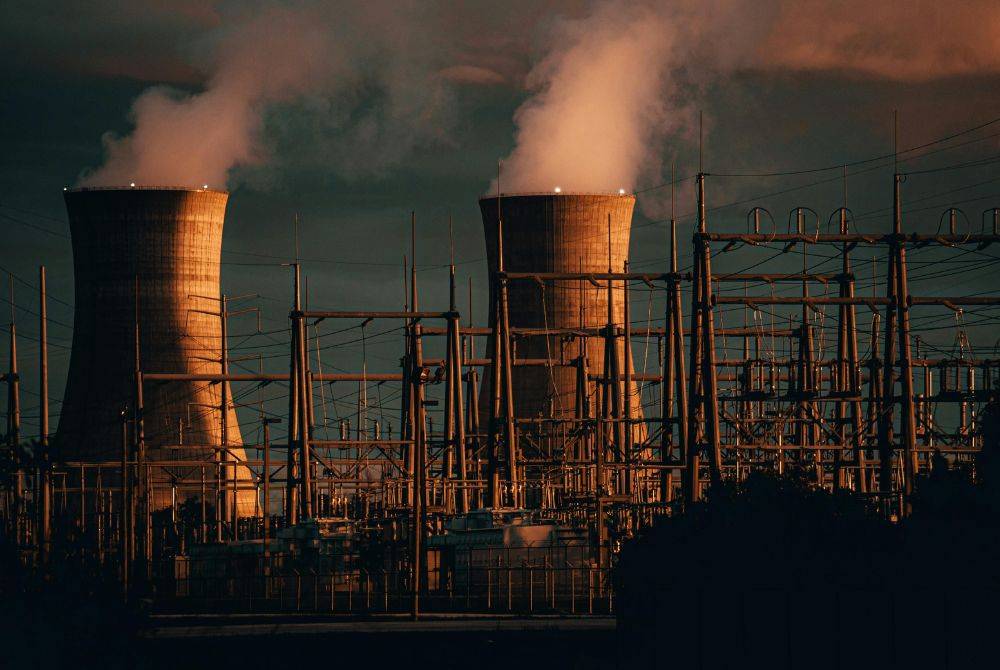
SHAH ALAM - Malaysia’s growing electricity demand, particularly from data centres, artificial intelligence (AI) infrastructure and other energy-intensive industries, is driving interest in nuclear power as a potential source of reliable, low-carbon energy, with Selangor taking steps to explore the possibility of hosting a nuclear power plant.
Universiti Teknologi Malaysia (UTM) nuclear and energy engineering expert Professor Dr Nahrul Khair Alang Md Rashid said the country’s changing energy requirements, alongside its long-term decarbonisation commitments, had made nuclear power an option worth considering.
He said the National Energy Transition Roadmap (NETR) envisaged the almost complete phase-out of coal-fired electricity generation by 2045, with renewable energy, particularly solar photovoltaic (PV) and natural gas expected to meet much of the country's electricity needs.
However, the intermittent nature of solar power means Malaysia would also require reliable electricity generation, energy storage and greater flexibility within its national grid.
"Because solar power is intermittent, Malaysia will also need reliable electricity generation, energy storage and greater grid flexibility. Nuclear power could provide an additional source of stable, low-carbon electricity while reducing the country's dependence on natural gas," he said.
“As one of the country's major economic and industrial centres, Selangor has a particular interest in securing its long-term electricity supply. However, nuclear energy development should be treated as a national undertaking rather than an individual state project.
“The Federal Government should remain responsible for national policy, programme development, regulatory frameworks and international commitments, while state governments could facilitate implementation through land matters, infrastructure, investment and public engagement,” he told Sinar Daily.
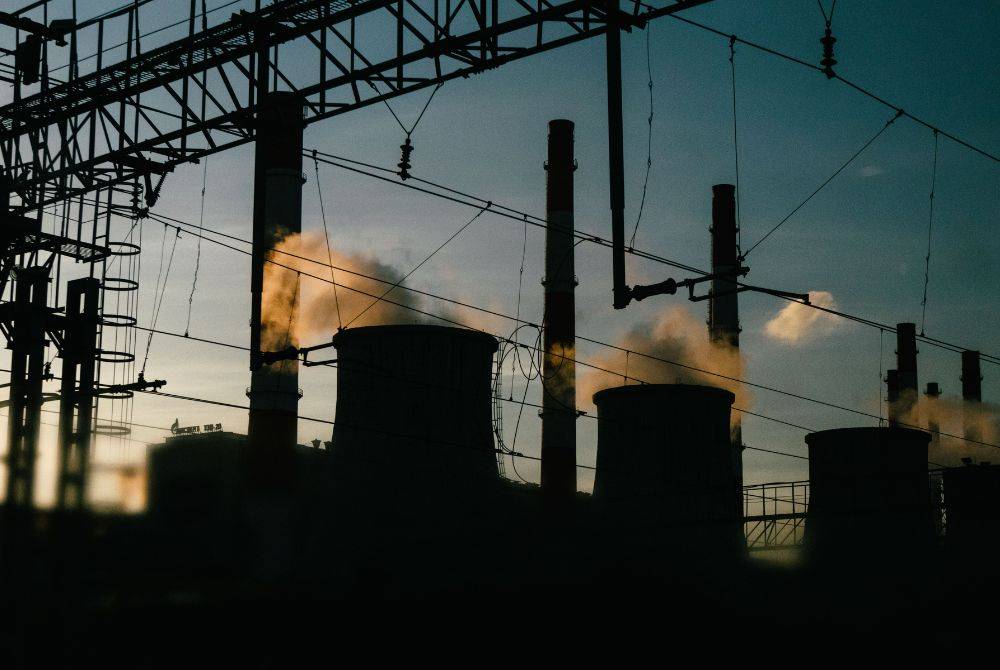
Nahrul added that nuclear power could strengthen Malaysia's energy security by providing a stable electricity supply that was less exposed to fuel price volatility.
Its relatively low greenhouse gas emissions throughout its lifecycle compared with fossil fuels could also support the country's decarbonisation efforts.
Beyond electricity generation, the industry could stimulate domestic development in precision engineering, advanced materials, instrumentation and control, radiation protection and maintenance services.
“It could also strengthen local technical expertise and create employment opportunities.
“However, these potential benefits must be weighed against substantial challenges, including high initial capital costs, construction delays, cost overruns, radioactive waste management, nuclear security, decommissioning expenses and the consequences of severe accidents,” he said.
Nahrul mentioned that Malaysia had a reasonable foundation to introduce nuclear power and should not assume that a country must already operate a commercial nuclear plant before developing the necessary capabilities.
He cited Bangladesh, the United Arab Emirates and Turkiye as examples of countries that had introduced nuclear energy through systematic planning, international cooperation and the development of national infrastructure.
Malaysia had also undergone its first International Atomic Energy Agency (IAEA) Integrated Nuclear Infrastructure Review in October 2016, which found that the country had developed a considerable knowledge base to make an informed decision on nuclear power.
Although the programme was discontinued in 2018 and the Malaysian Nuclear Power Corporation dissolved in 2019, he said existing expertise remained available, including a research reactor operating in Bangi since 1982 and UTM's Bachelor of Nuclear Engineering programme, introduced in 2012.
"We can build on these existing capabilities through scholarships, research collaborations, postgraduate training, industry partnerships and overseas training.
“Nevertheless, Malaysia would need to strengthen its nuclear regulatory capabilities, establish an owner-operator organisation, expand its specialised workforce and develop the necessary financial, industrial and emergency preparedness arrangements,” he said.
On Selangor's potential coastal sites, Nahrul said environmental and public health implications would require comprehensive assessments, particularly because nuclear power plants need substantial cooling systems.
Although seawater could be used, the intake and discharge systems would need to be designed carefully, with assessments covering thermal discharge, marine ecosystems and the livelihoods of coastal communities.
Potential locations between Kuala Langat and Sabak Bernam would also need to be evaluated for flooding, extreme rainfall, rising sea levels, coastal erosion, storm surges and other severe weather conditions.
"Ultimately, I believe a nuclear power plant can coexist with its environment and nearby communities, provided there is rigorous site selection, independent regulation, environmental protection and continuous monitoring. The availability of cooling water alone is not sufficient to determine whether a location is suitable.
“Radiation levels in the air, water, soil and relevant marine pathways would need to be monitored continuously, while a comprehensive emergency response system involving the facility, surrounding communities and wider region must be established before operations begin,” he added.
Addressing concerns over past nuclear accidents, including Chernobyl and Fukushima, Nahrul said the incidents highlighted the importance of engineering standards, safety management and institutional responsibility.
Although newer reactor designs have incorporated safety improvements, including passive safety features in some systems, he stressed that technology alone could not guarantee safety.
"Technology alone cannot guarantee safety. Responsible management, competent operators, transparent reporting, continuous training and a willingness to learn from mistakes are equally important.
"No technology is absolutely safe, so our priority must be to reduce risks to an acceptably low level through sound engineering, independent regulation and effective institutional control," he said.
Nahrul described the prospect of having a fully constructed and operational commercial nuclear power plant by 2030 as unrealistic, given the time and preparations required, particularly for a country without an existing commercial nuclear power industry.
He said Malaysia was undertaking a further assessment of its nuclear readiness based on the IAEA framework, which was expected to be completed in the second quarter of 2027.
The assessment would help identify remaining gaps and the actions needed to strengthen the country's nuclear infrastructure.
"Therefore, I believe 2030 could be a reasonable target for achieving important preparatory milestones, but having a fully operational commercial nuclear power plant by then would be unrealistic," he said.
He also acknowledged concerns that Selangor should prioritise immediate problems such as recurring floods, water supply, infrastructure, housing and the rising cost of living.
However, he argued that addressing current challenges and preparing for future energy needs should not be treated as competing priorities.
"Both objectives deserve attention and should not unnecessarily compete with one another. We must address today's problems without neglecting tomorrow's energy challenges," he stressed.

On Nov 20, Selangor Menteri Besar Datuk Seri Amirudin Shari said the state was exploring coastal locations between Kuala Langat and Sabak Bernam for a proposed nuclear power plant targeted for completion by 2030.
The state government is also developing local expertise by sponsoring three students to pursue nuclear engineering studies in China in September, with another 22 expected to join in 2027 through RM3.7 million in scholarships funded by China General Nuclear.
Meanwhile, the Selangor Nuclear Council is developing a roadmap and studying Kazakhstan's nuclear energy model, while Worldwide Holdings Bhd has established a special committee to examine the project's requirements and preliminary preparations.
Download Sinar Daily application.Click Here!