Six million children in SE Asia affected by Yagi disaster: Unicef
Typhoon Yagi brought powerful winds and torrential rainfall to Vietnam, Thailand, Laos and Myanmar when it swept across the region almost two weeks ago.

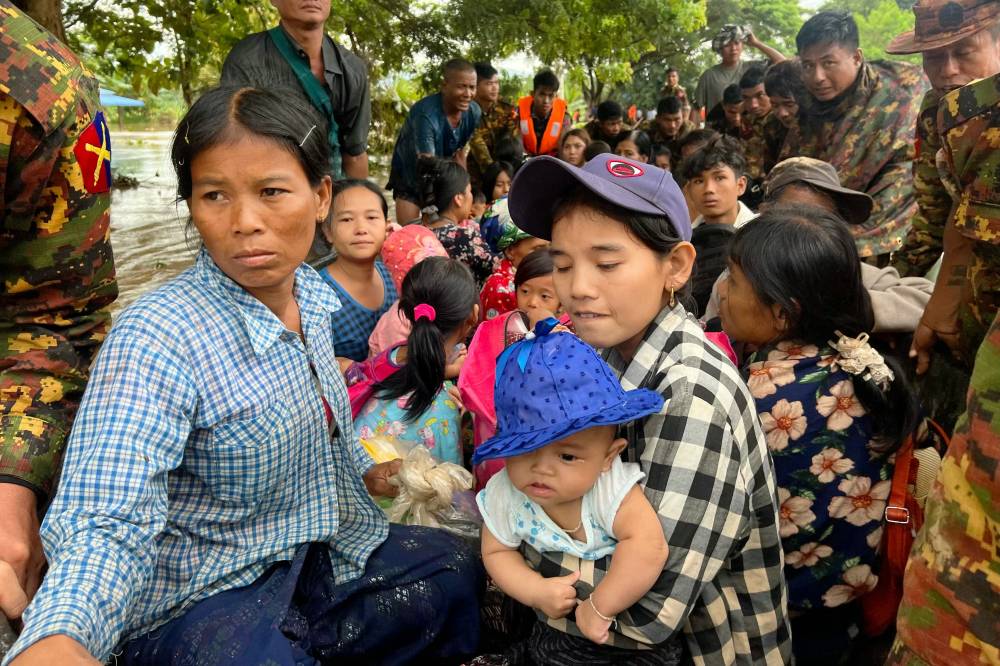
BANGKOK - Deadly floods and landslides triggered by Typhoon Yagi have affected nearly six million children across southeast Asia, the UN said Wednesday, as the death toll from the disaster rose.
Typhoon Yagi brought powerful winds and torrential rainfall to Vietnam, Thailand, Laos and Myanmar when it swept across the region almost two weeks ago.
Thailand reported three more deaths on Wednesday, taking the toll in the kingdom to 18, with a total of 537 fatalities now confirmed across the region.
Six million children have been affected by Yagi, UN children's agency Unicef said in a statement, with access to clean water, education, healthcare, food and shelter all compromised.
"The most vulnerable children and families are facing the most devastating consequences of the destruction left behind by Typhoon Yagi," said June Kunugi, Unicef Regional Director for East Asia and Pacific.
In Vietnam, some three million people are facing the risk of disease due to a lack of safe drinking water and sanitation, Unicef said.
Almost 400,000 people have been forced from their homes by floods in Myanmar, piling misery on a population already struggling with more than three years of war between the military and armed groups opposed to its rule.
Yagi worsened an "already dire humanitarian situation" in Myanmar, said Unicef, and "pushed... already marginalised communities into deeper crisis".
The World Food Programme said Wednesday it would launch an emergency response in Myanmar this week, distributing a one-month ration of emergency food to up to half a million people.
Climate change and warming oceans, driven by human activities, are making extreme weather events like Typhoon Yagi more frequent and severe.
Overlapping climate and humanitarian hazards disproportionately affect children in East Asia and the Pacific, where they are six times more likely than their grandparents to be affected, according to Unicef. - AFP
Download Sinar Daily application.Click Here!