Faith intact: Yoga and mindfulness without compromising beliefs
Nadi Tenang founder Wadie Sumanteri said her Shah Alam-based movement studio has seen growing interest from people seeking physical wellbeing rather than spiritual practices, prompting it to create an environment centred entirely on health, mobility and accessibility.



SHAH ALAM – FOR many people, yoga is no longer associated with chanting or ancient rituals, but is instead seen as a way to improve movement, practise mindful breathing and become more present in daily life.
Nadi Tenang founder Wadie Sumanteri said her Shah Alam-based movement studio has seen growing interest from people seeking physical wellbeing rather than spiritual practices, prompting it to create an environment centred entirely on health, mobility and accessibility.
“We are intentional about creating a neutral and welcoming environment. This begins with the design of our studios, where we avoid elements that may be associated with any particular religion or race.
“Our teachers are trained to focus on movement, mobility, flexibility, strength and overall wellbeing. We do not conduct chanting or recite mantras in our classes,” she told Sinar Daily.
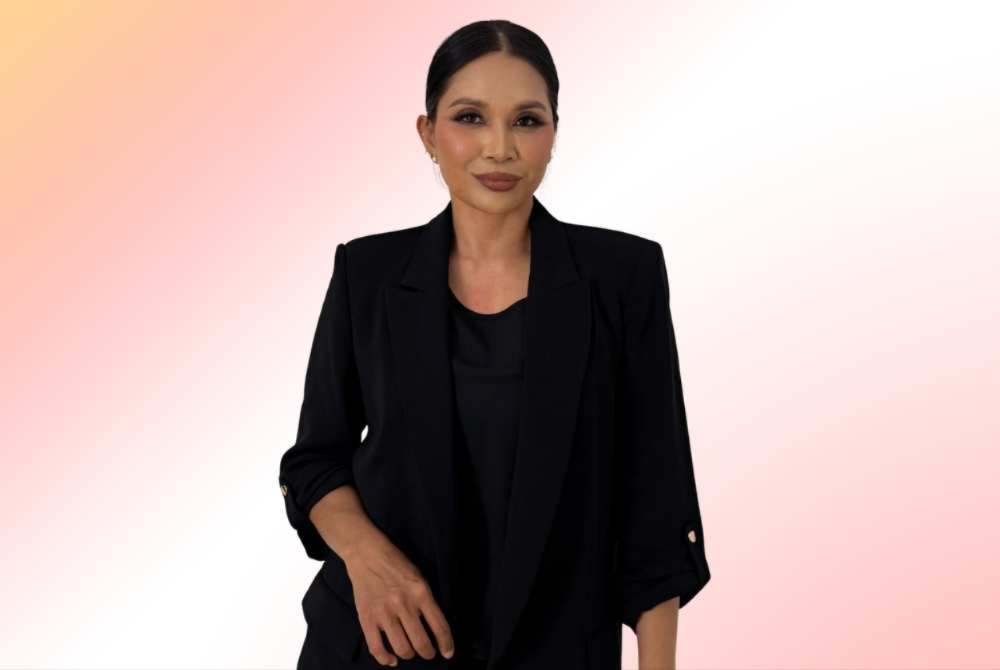
Wadie said most participants simply want a safe and supportive way to stay active, improve mobility and take a break from the demands of daily life.
Rather than distancing itself from yoga altogether, Nadi Tenang focuses on education, introducing beginners to different styles while using Bahasa Melayu and English cues instead of relying heavily on Sanskrit terminology.
The studio has also adopted local class names such as Mula Flow, Cuba Flow, Tenang Flow, Lena Flow and Senang Flow to make sessions feel more approachable and relatable.
“Our focus has always been on helping people move better, feel better and live healthier lives,” she said.
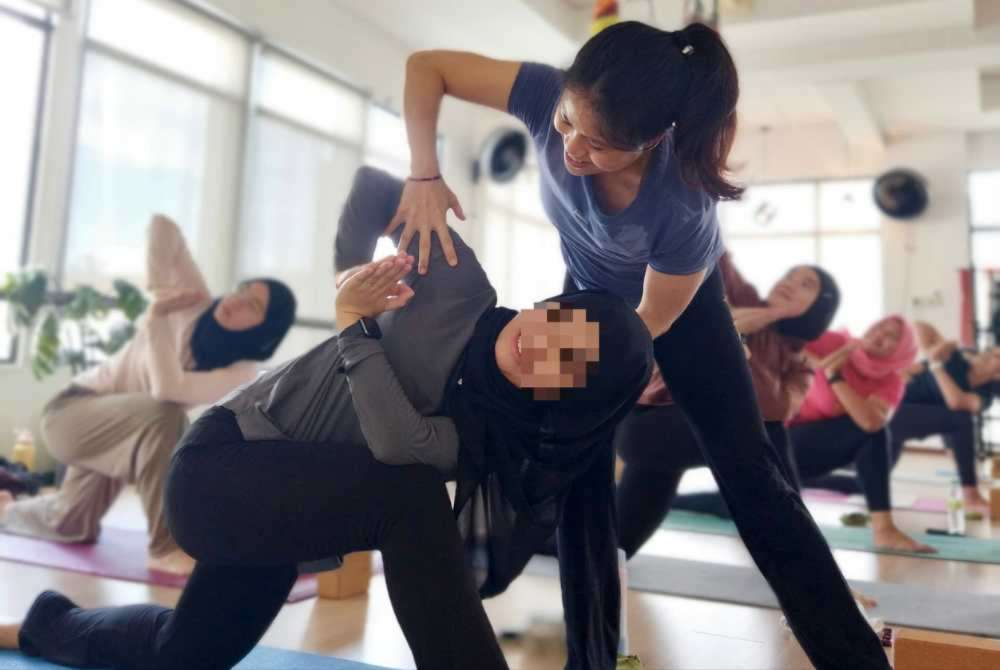
For part-time yoga teacher Laili Ismail, movement and mindful breathing can even complement a person's own spiritual journey when practised within the framework of their own beliefs.
She said the meditative aspects of yoga help cultivate stillness and breath awareness, enabling practitioners to become more intentional in prayer and daily life.
“If anything, I believe practising yoga helps improve meditative practices, which in turn can help Muslims and adherents of other faiths, for that matter, improve the quality of their breath, gain clarity, pray more intentionally and deepen their spiritual and religious journeys,” she said.
Laili acknowledged yoga's origins in Hindu philosophy but said she has adapted her own classes to focus on physical practice while remaining steadfast in her Islamic faith.
“I remain secure in my beliefs as a Muslim, with my aqidah intact. I have learned to adapt my yoga practice without criticising its spiritual aspects or ignoring its roots.”
Although she occasionally uses Sanskrit names for poses for educational purposes, she avoids references to deities and instead emphasises breath-led movement, strength, mobility and mindful body awareness.
She also draws parallels between concepts found in yoga and Islam, comparing tapas, discipline and self-restraint, with the Islamic principle of mujahadah, or striving against one's own desires.
Similarly, she likens dharana, the yogic practice of concentration, to khusyu', the focused attentiveness Muslims seek during prayer.
At the same time, Laili stressed that yoga should not be regarded as a substitute for healthcare.
“Yoga can be therapeutic and might help you feel better and support your health and wellness journey, but it is no magic cure.
“As a healing modality, it works best as a complement to, not a replacement for, medical treatment,” she said.
Download Sinar Daily application.Click Here!