Cultural taboos, stigma lead to delayed detection of cervical cancer among Asian women
Cultural taboos and stigma around vaginal screenings are driving fear and shame in women across Asia, leading to higher cervical cancer rates due to delayed detection.


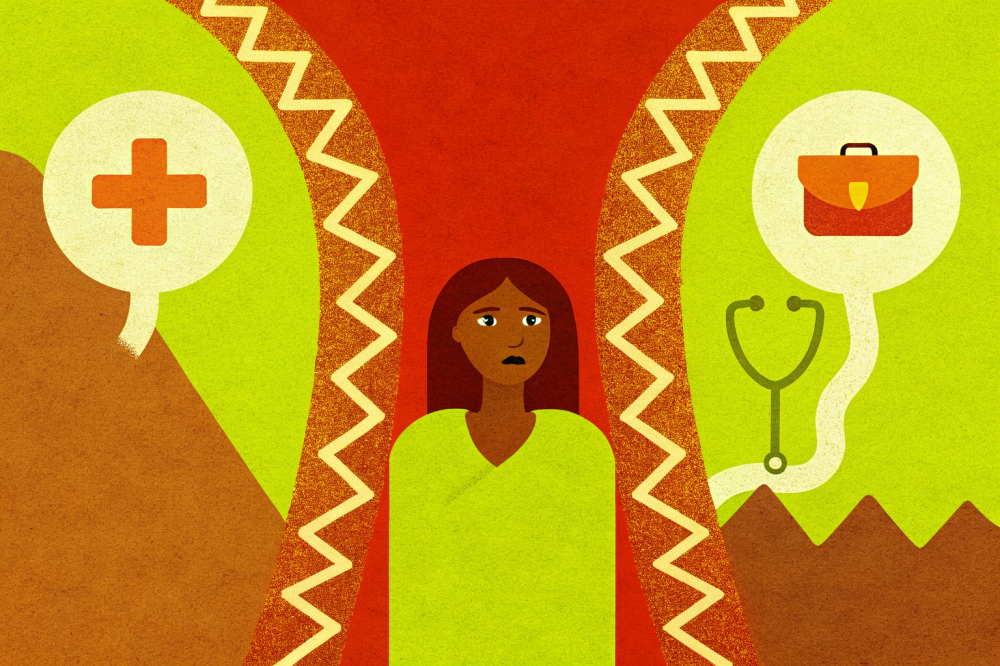
CULTURAL taboos and stigma surrounding vaginal screenings are driving fear and shame in women across Asia, leading to higher cervical cancer rates due to delayed detection.
Universiti Kebangsaan Malaysia Reproductive and Oncofertility specialist Associate Professor Dr Mohd Faizal Ahmad, highlighted that cervical cancer is one of the most significant cancers affecting women worldwide, as it is the only cancer with an effective screening tool that can help prevent it.
The obstetrician, who is also a gynaecologist said that cervical cancer ranks among the top five to ten cancers globally, depending on the effectiveness of screening and prevention programmes in each country.
“Countries like the United States, United Kingdom and Australia have established national screening programmes, resulting in significantly lower cervical cancer rates.
“In contrast, many Asian countries face higher rates due to cultural taboos and the stigma associated with screening, which involves examining the vagina.
"Many women feel afraid or ashamed to come forward, leading to late detection and higher occurrence rates."
“In Malaysia, cervical cancer was the third most common cancer among women five years ago but has recently moved to the second position,” he said in a Sinar Daily podcast.
Dr Faizal explained that cervical cancer, primarily caused by the human papillomavirus (HPV), is distinctive due to its connection to sexual activity.
He also highlighted that statistics show at least three in 10 women are at risk of developing cervical cancer.
“In Malaysia, the detection rate is approximately 15 to 20 per cent, depending on the stage of detection. Most cases in Malaysia are diagnosed at earlier stages.
“About 25 to 28 per cent of cases are detected at stage one, while 17 to 18 per cent are found in advanced stages.
"Early detection remains key to improving outcomes,” he added.
Dr Faizal also outlined that women are at risk for four major types of cancers: breast cancer, ovarian cancer, uterine cancer, and cervical cancer, which develops in the cervix, the lower part of the uterus, often referred to as the womb's tail.
He emphasised that cervical cancer specifically originates in this area, highlighting the importance of targeted screening and prevention efforts.
Download Sinar Daily application.Click Here!