The evolution of Disney princesses (and how that reflects our ideas of womanhood)
By examining how Disney princesses have changed, we can get a picture of how our own ideas of womanhood have changed alongside them.
KALPANA MAHENDRAN21 Feb 2025 09:00am

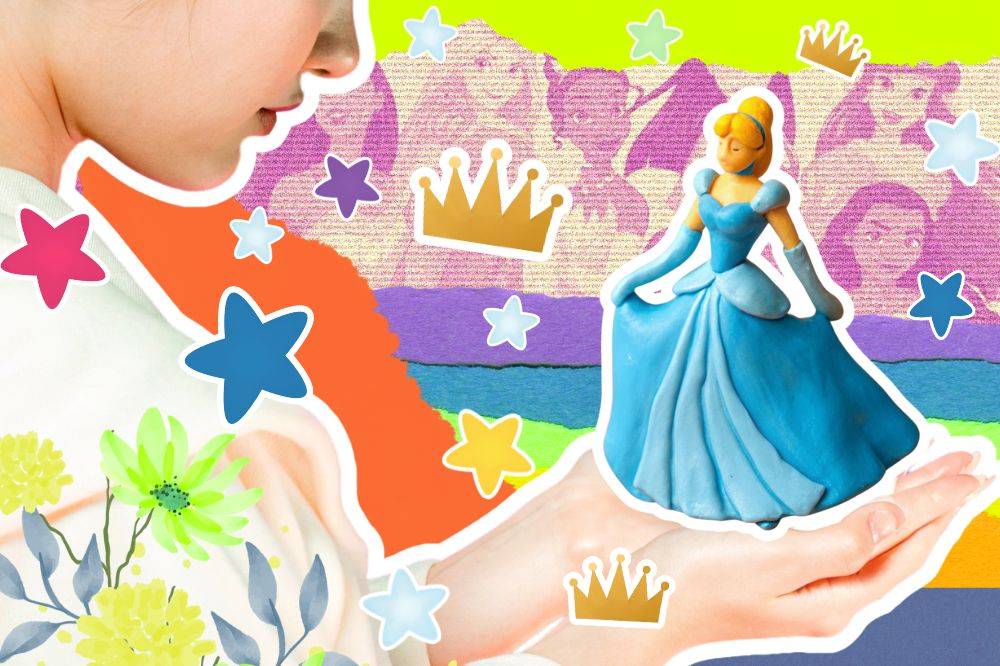
The modern Disney princess is not concerned with romance or gender sterotypes. Photo: Canva
Disney princesses have shaped how many girls view femininity, and in some ways reflect the ‘ideal’ female role model.
By examining how Disney princesses have changed, we can get a picture of how our own ideas of womanhood have changed alongside them.
THE CLASSIC ERA (1937-1959)
The first three Disney Princesses share many things in common; they’re beautiful, passive, and have little in the way of personality.
Snow White (Snow White And the Seven Dwarves, 1937) starts a trend of kind but bland leads, who lack agency. The movie features dated cliches; Snow White’s main activity is keeping house for the dwarves, and the major conflict centres on an older woman being jealous of a younger one's looks.
Cinderella (1950) is arguably kind and hardworking, but once again the plot centres around her biggest attribute — her beauty. Like Snow White, all she can do is wait to be rescued by her prince.
Sleeping Beauty (1959) takes this to the extreme. It is difficult to pinpoint her personality, as Aurora speaks only eighteen lines in the entire film. It is also telling that her fairy godmothers decided the most important gift they could give her were beauty and a nice voice.
This speaks of specific, strict expectations towards a woman’s behaviour. Although real-life women then were as complex and varied as they are now, societal ideals did not necessarily reflect this; from Disney’s perspective, at least, a traditional woman should be beautiful, sweet, and silent.
THE RENAISSANCE ERA (1989-1998)
Thirty years later, Disney Studios came back with an abrupt change in what they wanted from a female lead. Unlike her predecessors, Ariel (The Little Mermaid, 1989) is rebellious, curious, and active. Her father wants her to be compliant, but Ariel rejects the expectations set upon her, choosing instead to become human.
Belle (Beauty and the Beast, 1991) espouses intelligence and education as a virtue. Interestingly, she is the first to resist the cliche of love at first sight. The Beast has to actually try to be likeable, as Belle has no interest in him until he learns to be kind.
Disney’s first non-white princess (Aladdin, 1992) does not hold much political power herself. However, Jasmine’s goals extend beyond Aladdin; her main aim is to protect Agrabah and stop Jaafar from gaining the crown.
Unfortunately, Pocahontas (1995) might have been a step backwards in terms of representation. The plot glosses over the colonisation and genocide of Native American people. However, Pocahontas herself has big goals of stopping the war and fostering peace.
Mulan (1995) may have been the most radical Disney princess of her time. Her character arc does not skirt around gender roles but directly challenges them — she's willing to take on whatever dangerous duties were previously only carried by men.
Not only does she succeed, she goes beyond those roles entirely, using everything she's learned (as both a soldier and a woman) to become a hero.
This era seems like a rejection of the initial princess stereotype. These princesses are still somewhat constrained by their roles, and do not wield absolute power, but they are realistic and want to be in control of their own lives.
For the first time, Disney movies began to have values beyond beauty; Disney renaissance princesses teach girls to be clever, ambitious, and to resist some of their constraints.
THE REVIVAL ERA (2009-PRESENT)
Tiana (Princess and the Frog, 2009) is an interesting contrast to the princesses of the Classic Era — instead of waiting to be saved by a prince, Tiana outright refuses to rely on anyone but herself.
Rapunzel (Tangled, 2010) deals with self-discovery and abuse. Her love story with Flynn is secondary to her journey of reconnecting to her history and escaping imprisonment. Like Snow White, Mother Gothel is also the main antagonist, but this time the conflict is caused by a fight over something useful and tangible — power.
Merida (Brave, 2012) skips romance entirely, but this decision is never punished. Merida is more concerned with her family and healing her relationship with her mother.
Anna and Elsa (Frozen, 2013) keep the ball rolling, as romance only plays a tiny part. Most of the plot involves family, isolation, and self-acceptance.
Moana (2016) is very much the hero of her own story. She is not concerned with romance either, but she does so in a different way from Merida and Mulan. Gender roles are not a factor for her at all. She simply exists, doing what she must do, even if she must defy a demi-god.
Raya (Raya and the Last Dragon, 2016) follows the same track. Disney’s first Southeast Asian princess is a realistic one in the sense that she has flaws and makes mistakes. Above all she is an individual and a human, instead of some feminine ideal.
The modern Disney princess is not concerned with romance or gender sterotypes. This era focuses on character growth and treats its main characters like individuals. This reflects a more nuanced understanding of womanhood in real life; many young women are less concerned with what a woman should be, and are more interested in personal struggles and goals.
While gender roles still exist and can still be constraining for many, it appears Disney is trying to impart the the lesson that we are all, regardless of gender, the heroes of our own stories.
Hopefully this trend will continue — as young girls continue to look to their Disney heroines for inspiration, their role models should teach them to be the best versions of themselves.
Download Sinar Daily application.Click Here!