"If you're not tired, you're not doing enough as a woman" - Don't let burnout be the baseline says Diana Danielle
Society has long upheld a narrative that a woman must be constantly giving, constantly doing, and perpetually exhausted to be seen as “good.”
DANIAL HAKIM
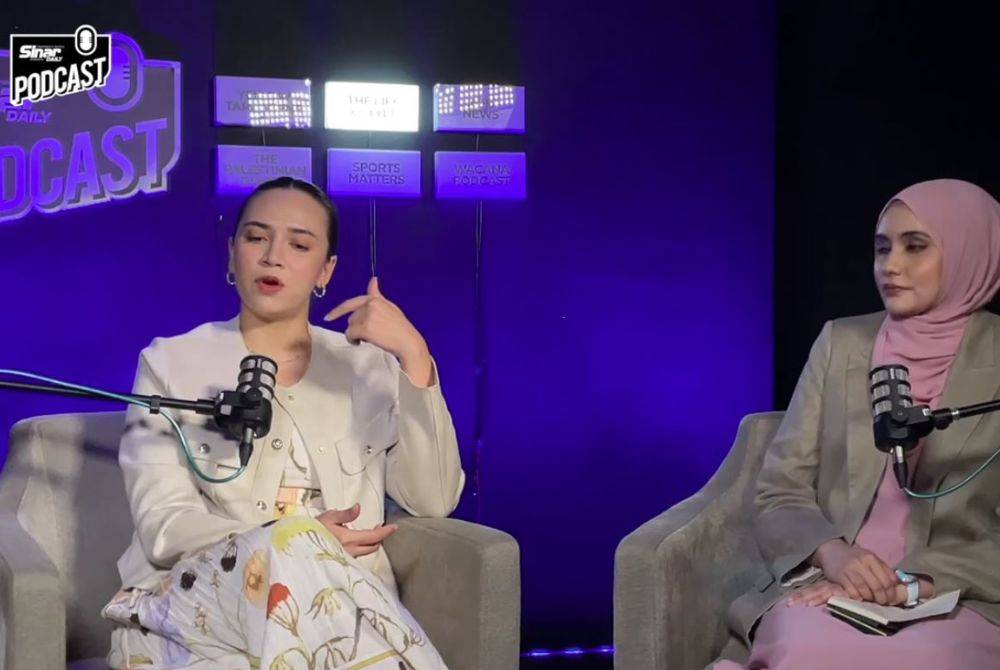
Actress, singer, and mother Diana Danielle knows this all too well, having spent years trying to meet impossible standards - working, mothering, maintaining a marriage, and holding it all together and being the mold of the “ideal woman.”
“The mental load of being a woman is still mainly juggling household, kids, work, which is mainly on the woman.
“If you don't change the societal expectations on women and women viewing themselves having to be ‘self-sacrificial’ all the time, the only way to be seen as a good mother or a good wife is to work ourselves out until burnout,” she said during a podcast with Sinar Daily.
Diana’s words struck a nerve in a world where being tired is worn as a symbol of dedication, and where rest is mistaken for laziness.
Society has long upheld a narrative that a woman must be constantly giving, constantly doing, and perpetually exhausted to be seen as “good.”
For Diana, this mindset is more than flawed, it’s oppressive.
“That is the cultural expectation of women, you have to show up for everybody. You have to cook. You have to clean. You have to stretch yourself thin. You have to be tired. If you're not tired, then you're not doing enough as a woman.”
She further pointed out how, even when mental health campaigns surface, they often fail to address the root of the problem.
Noting the underlying issue at hand, she also emphasised that it is imperative for women and society in general, work towards course-correcting misogynistic norms, or programmes that promote awareness would ultimately be reduced to “covering up the wound with some plaster.”
Diana is unapologetically vocal about the need to challenge misogynistic expectations placed on women, yet she also acknowledges the social resistance that comes with speaking up.
“As long as we have this sort of misogynistic way of expectation on women—simultaneously women onto themselves as well—and calling it, ‘you're being too feminist,’ it's such a negative word that's being toyed around by people.
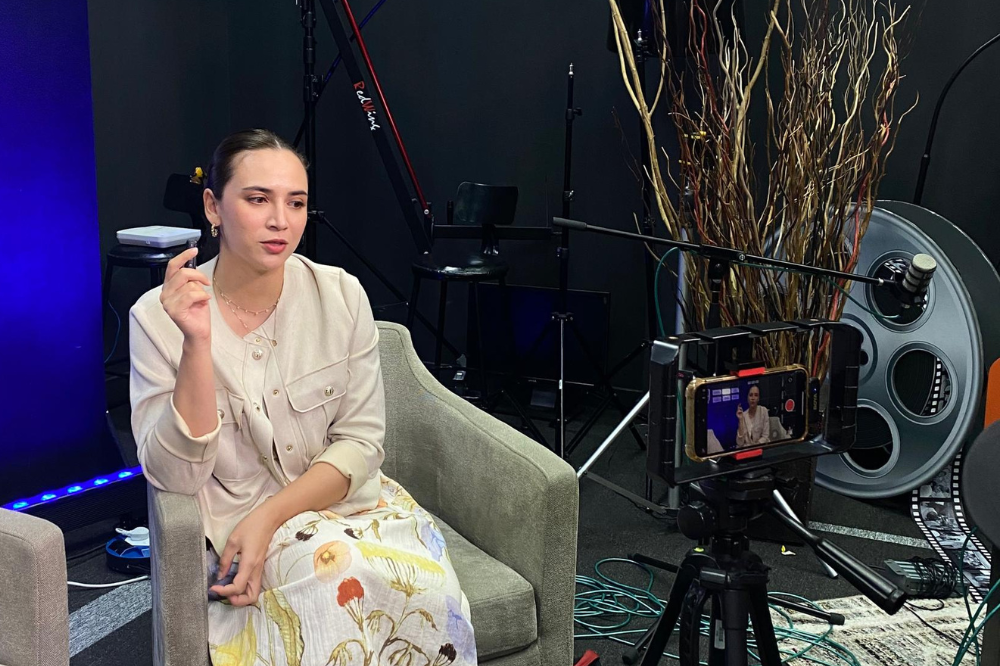
“But if women are drilled down to the core where burnout is the baseline, and then also covering it up with, ‘Hey, let's get together with this mental health talk and I'll give you exercises on how to breathe.’ I mean, we will still be gasping for air, right? Because we're drowning,” she said.
Untangling from centuries-long societal notions and healing begins with unlearning. For womanhood, it’s about stepping away from performative suffering and embracing self-compassion.
She thus reflected on how historical roles have shaped modern expectations towards women.
“Back in the day, women had specific jobs to do. Now, women are just everything for everyone.
“So, what we as women need to do is forgive ourselves for having been taught that this is the only way to become a woman,” she said.
For Diana, the breaking point came when she realised that trying to “do it all” wasn’t just hurting her—it was eroding everything around her.
Trying to hold it all together, she admitted, comes at a cost.
Still, she does not see it as pure loss after all is said and done. Instead, she sees complexity, growth, and hard-earned wisdom.
“When you try to pull everything, in the end you will lose everything, right? In the end, something’s got to give.
“I lost a lot along the way, but at the same time, I gained a lot along the way. So, it was very complicated, very intricate. It’s not easy. But you also have to be the regulator for yourself,” she mused.
Diana's message is as blunt as it is necessary, strength is not in suffering, and womanhood is not defined by servitude.
Download Sinar Daily application.Click Here!