Rafizi, Nik Nazmi resign: A show of democratic principle, not power struggle, say analysts
Analysts suggested this development signals a maturing political culture that could influence the broader national landscape.



SHAH ALAM – The back-to-back resignations of Economy Minister Datuk Seri Rafizi Ramli and Natural Resources and Environmental Sustainability Minister Nik Nazmi Nik Ahmad are not driven by internal conflict or a power struggle within PKR.
Instead, these departures represented a conscious and unified decision rooted in the party’s deepening commitment to democratic principles.
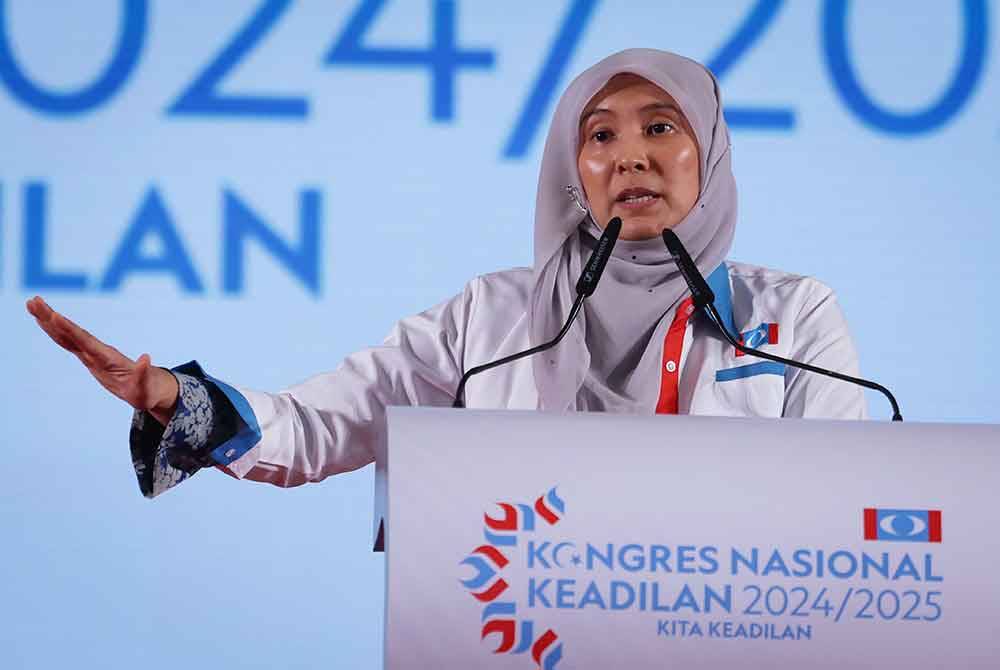
Analysts suggested this development signals a maturing political culture that could influence the broader national landscape.
Both Rafizi and Nik Nazmi stepped down from their ministerial roles after their recent defeats in PKR’s internal election.
Although the timing has triggered rumours of factional disputes or retaliation, political experts view the resignations as acts of party discipline, respect for democratic values and personal integrity, rather than signs of internal turmoil.
International Islamic University Malaysia Political Science Department head Professor Syaza Shukri pointed out the symbolic solidarity between the two former ministers.
“This is Nik Nazmi and Rafizi standing united in solidarity. They are on the same side, not rivals. Their unity reflects respect for the democratic process I mentioned earlier, which reveals a deeper debate about internal party democracy, especially whether someone who loses a party election should still hold a ministerial position.
"Since party delegates no longer have confidence in them, how can they continue to lead the people?” she told Sinar Daily.
Syaza also suggested that while it might indirectly be a reaction to Nurul Izzah Anwar’s victory as the new PKR deputy president, she believes it is more a response to their recent loss.
Nazmi’s resignation, however, comes as a surprise to Syaza.
Meanwhile, Universiti Sains Malaysia political analyst Professor Datuk Sivamurugan Pandian interpreted the resignations as an expression of principled commitment.
“I believe it reflects a commitment to democracy, fundamental rights, and political integrity.
"It may also be a collective move for Nik Nazmi and Rafizi, to show that the party’s principles take precedence over individual personalities,” he said in an interview with Sinar Daily.
Rafizi officially announced his resignation from the Cabinet, effective June 17, following his defeat in the PKR party election which left him without the party’s mandate to carry forward its agenda in government.
He began using his remaining annual leave from the day of the announcement.
Rafizi clarified that leaders who lose party elections should step aside in line with democratic principles.
He expressed gratitude to the Economy Ministry staff for their support during his tenure and noted that his final task was completing the 13th Malaysia Plan (13MP), which includes significant educational reforms and structural changes.
Rafizi urged the Cabinet to continue these reforms despite his departure and stressed the importance of making difficult long-term decisions to strengthen Malaysia’s economy.
Shortly after Rafizi’s announcement, Nik Nazmi declared his resignation as the Natural Resources and Environmental Sustainability Minister, effective July 4. He went on leave starting the day after his announcement.
Like Rafizi, Nik Nazmi’s Cabinet role was linked to his position as PKR Vice-President, which he lost in the recent party elections.
He reflected on key reforms during his tenure, including amendments to the Environmental Quality Act 1974, enhanced transparency in environmental assessments, progress in biodiversity protection recognized by the United Nations (UN), and the passing of the Energy Efficiency and Conservation Act.
Nik Nazmi expressed thanks to civil servants and stakeholders and said he looks forward to resuming his role as Setiawangsa MP, focusing more on politics and public service.
The resignations of both Rafizi and Nik Nazmi followed their losses in the PKR internal elections and have raised speculation about dissatisfaction with the appointment of Nurul Izzah, the new PKR deputy president and daughter of party President and Prime Minister Datuk Seri Anwar Ibrahim. Critics suggest possible nepotism influencing the party’s leadership changes, signaling notable shifts in PKR’s representation in the federal Cabinet.
Download Sinar Daily application.Click Here!