Should Anwar reshuffle cabinet, merge ministries or appoint Nurul Izzah? Analysts weigh in
The core dilemma: striking a balance between efficiency, political stability and public perception in a fragile coalition government.



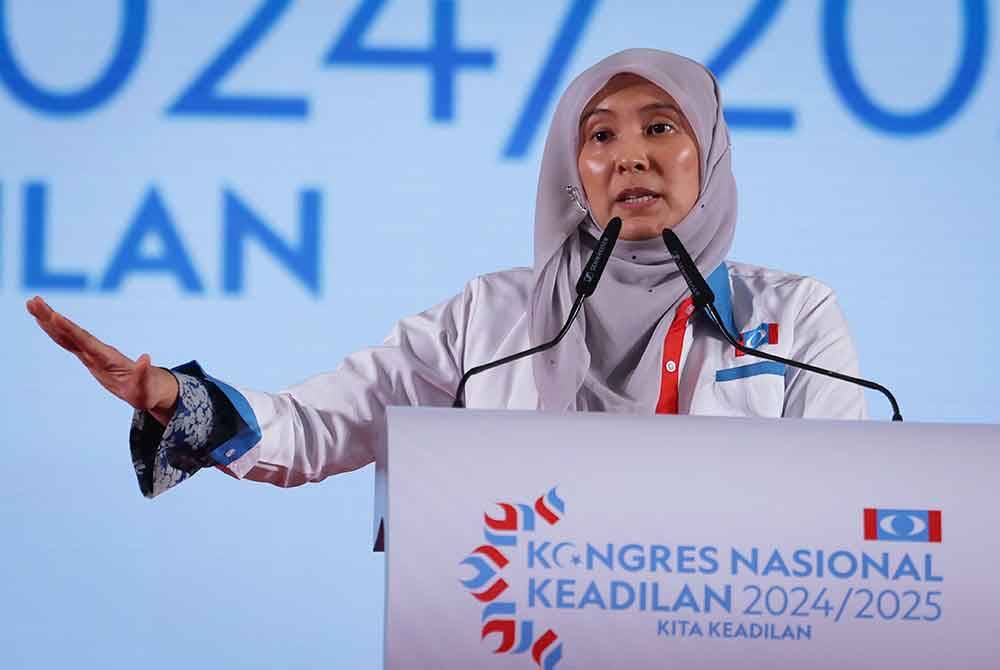
SHAH ALAM - As talk of a Cabinet reshuffle grows louder, political analysts offer contrasting views on whether the Unity Government should consider merging ministries or appointing new ministers, particularly amid speculation surrounding Parti Keadilan Rakyat’s (PKR) newly appointed deputy president Nurul Izzah Anwar.
The core dilemma: striking a balance between efficiency, political stability and public perception in a fragile coalition government.
As the Unity Government and PKR grapple with the unexpected resignations of two key ministers, Economy Minister Datuk Seri Rafizi Ramli and Natural Resources and Environmental Sustainability Minister Nik Nazmi Nik Ahmad, alongside mounting calls to reshuffle the Cabinet, political analysts are urging a measured approach.
They cautioned against hasty decisions, particularly regarding proposals to merge ministries or appoint new figures such as Nurul Izzah, given her position as the daughter of Prime Minister and PKR President Datuk Seri Anwar Ibrahim.
Universiti Sains Malaysia political analyst Professor Datuk Dr Sivamurugan Pandian said that merging ministries at this juncture could disrupt the coalition's delicate political equilibrium.
“At this point, I do not believe merging existing ministries is the right move for the Unity Government. Given its nature as a grand coalition, comprising several parties with their own alliances, Anwar must strike a careful balance when appointing cabinet members.
“Any attempt to merge ministries now must be approached strategically and with input from all coalition partners. 34 months ago, when Anwar first assumed office, such restructuring might have been more feasible.
“But considering it now requires caution to avoid disrupting public service delivery, overburdening ministries, diluting policy focus, incurring additional costs or undermining policies already in place.
“It could also stir political tension within the coalition, even if a smaller cabinet might offer more agility, focused leadership and clearer direction,” he told Sinar Daily.
When asked about the possibility of Nurul Izzah, now serving as PKR’s Deputy President, joining the Cabinet, he acknowledged her strong potential but pointed out that her current position may demand greater attention to party affairs.
He added that PKR was well within its rights to put her forward for a ministerial post, given her credibility and experience to shoulder such responsibilities.
“However, for the time being, she may prefer to concentrate on strengthening the party’s grassroots support and addressing internal matters following the recent party elections, in support of the president and other leaders,” he said.

Meanwhile, International Islamic University Malaysia Political Science Department head Professor Dr Syaza Shukri offered a different view, suggesting ministry consolidation might actually be a strategic solution to limited ministerial options.
“I was thinking about this too, perhaps instead of going through another Cabinet reshuffle or appointing new ministers, the government could explore the idea of merging some existing ministries.
“Rather than searching for new candidates, especially since, realistically, PKR does not have many options left, it might make more sense to consolidate. That said, this would still leave PKR with fewer ministerial positions,” she said in an interview with Sinar Daily.
Syaza also highlighted both the advantages and drawbacks of this approach. On the positive side, it offers greater efficiency and helps sidestep the political manoeuvring that often accompanies new appointments.
However, a key drawback persists; PKR would still fall short by at least two ministerial positions. Even with Nurul Izzah stepping in, one more vacancy would remain.
The potential appointment of Nurul Izzah as a senator and then a minister remained a contentious topic. While she was seen as qualified, her family ties to Anwar continued to attract scrutiny.
“If Nurul Izzah is appointed as a senator and then made a minister, both she and PKR would have to be prepared for renewed accusations of nepotism.
“While she certainly has the qualifications to take on such a role, her appointment could stir discontent within some factions of the party. She would need to work extra hard as deputy to unify the ranks and maintain party cohesion.
“As for Barisan Nasional (BN), they seem to be taking a wait-and-see approach. For now, though, their partnership with Pakatan Harapan appears to be the most stable it has been,” she added.
As speculation continues, it remains to be seen whether Anwar will choose to streamline the Cabinet through consolidation or expand it with new faces, each path laden with its own political implications.
Download Sinar Daily application.Click Here!