Why Southeast Asians marched for Gaza and why the movement is far from over
From different walks of life activists, students, mothers, artists, professionals they came together to join the Global March to Gaza, a multinational civil society campaign calling for an end to the inhumane blockade on Gaza.
REVDA SELVER
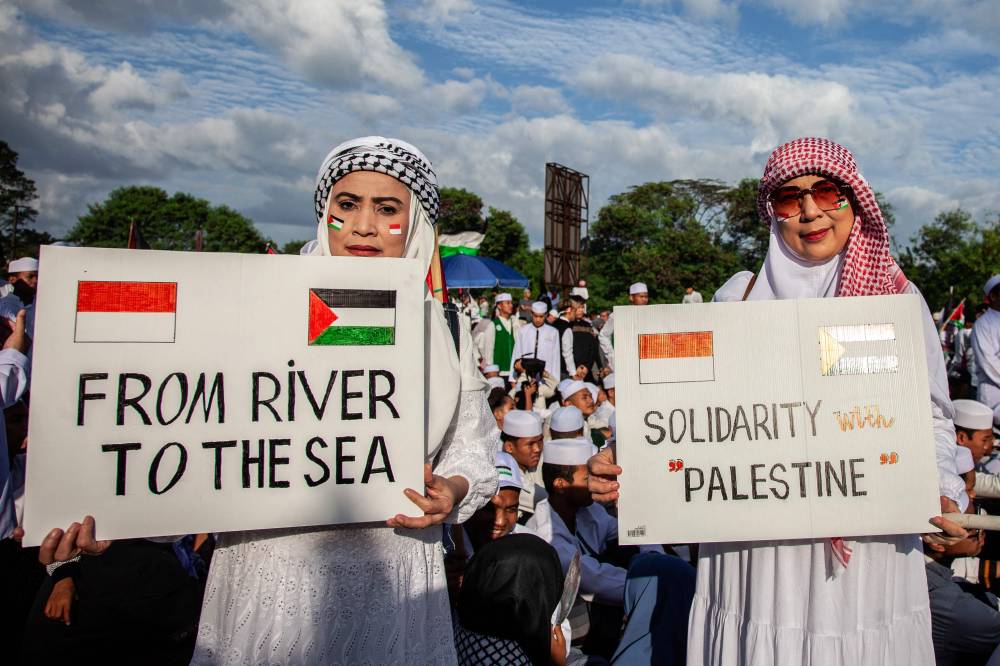
Last week, dozens of Malaysians and Indonesians left their homes with nothing but conviction in their hearts. From different walks of life activists, students, mothers, artists, professionals they came together to join the Global March to Gaza, a multinational civil society campaign calling for an end to the inhumane blockade on Gaza.
They were not politicians or diplomats. They were ordinary people taking an extraordinary stand representing a region that has, time and again, voiced deep solidarity with Palestine.
The march brought over 4,000 participants from more than 80 countries to Cairo. Their goal was peaceful: to approach the Rafah crossing and call for unrestricted humanitarian access to Gaza, where over two million people remain trapped under siege.
Among them was the Southeast Asian delegation known as “Qafla Al-Samoud,” made up of volunteers from Malaysia and Indonesia who believed it was time to act.But on June 14, the mission was halted.
Participants were blocked in Ismailia. Some were detained, others deported.
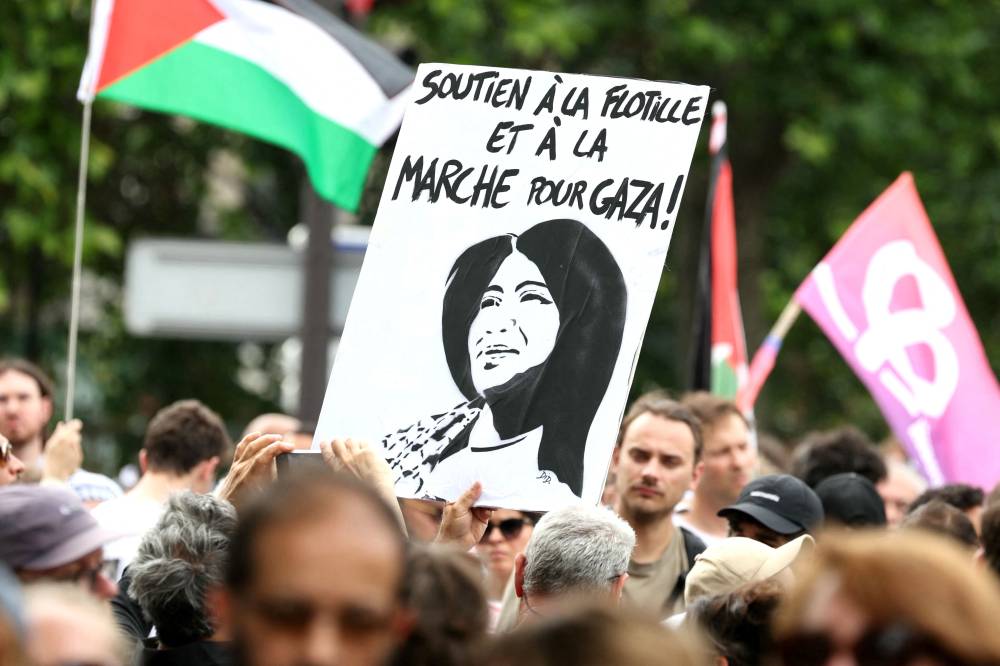
Threats of violence, confiscation of passports, and prolonged holding at checkpoints made clear that although no official ban was declared the march would not be allowed to proceed.
This was not due to Israeli interference, as many first assumed. Instead, it was Egyptian authorities who imposed the restrictions. For a peaceful campaign that operated within Egyptian law and coordinated with embassies, the message was deeply troubling: solidarity is seen as a threat.
Yet, what they tried to stop on the ground only grew stronger across the globe.
From Mexico to Cyprus, more than 50 parallel actions were carried out. The Freedom Flotilla’s “Madeleine” ship set sail from Italy, carrying aid and international hope before being intercepted by Israeli forces.
Despite physical setbacks, these efforts have reignited a wave of public support for Palestine not just in the Middle East, but globally. The Southeast Asian presence in the march is “historic.” Because these weren’t just protests, they were proof that the people of Southeast Asia refuse to be complicit in genocide.
They marched for every child under rubble, every parent grieving, every classroom destroyed. They marched because silence is no longer an option.
Now that the campaign has concluded, the next phase must begin: sustained pressure, legal action, media awareness, and regional mobilisation. We must continue to raise our voices, support humanitarian efforts and hold power to account.
The Global March to Gaza is not over. It is only just beginning.
Revda Selver is Friends of Palestine Public Relation and Media Executive. The views expressed in this article are his own and do not necessarily reflect those of Sinar Daily.
Download Sinar Daily application.Click Here!