Hishammuddin’s return to Umno seen as ‘elitist pardon’ - Analyst
The move to readmit the senior figure without any public explanation risked fuelling dissatisfaction among grassroots members and could potentially destabilise the party internally.


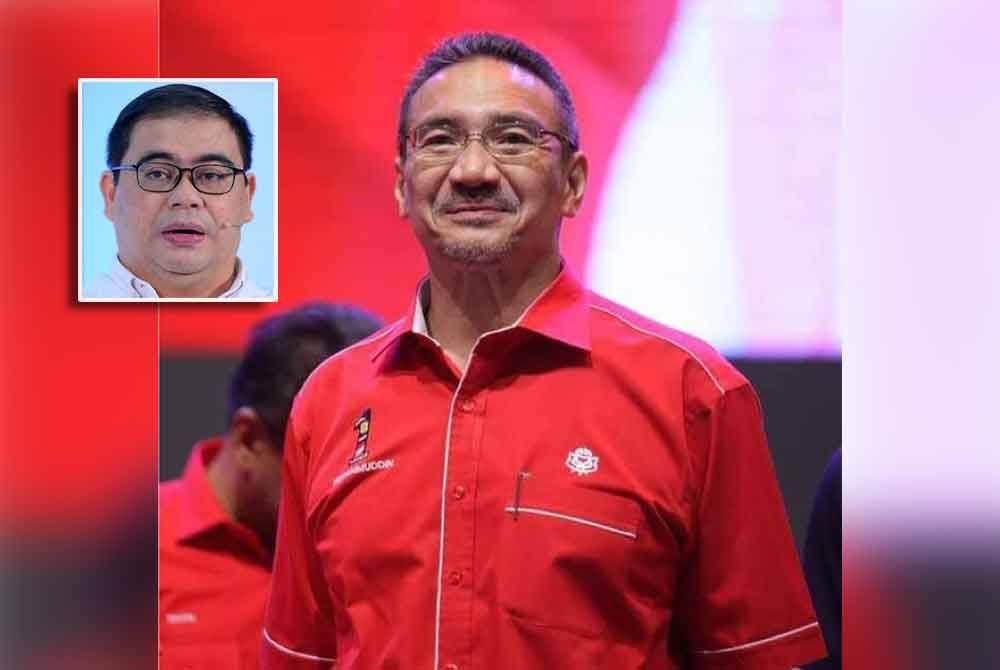
SHAH ALAM – The unconditional reinstatement of former Umno vice-president Datuk Seri Hishammuddin Hussein, into the party is likely to be seen as a form of “elitist pardon”, reflecting Umno’s failure to uphold internal discipline and its core principles.
Universiti Malaya socio-political analyst Datuk Prof Dr Awang Azman Awang Pawi said the move to readmit the senior figure without any public explanation risked fuelling dissatisfaction among grassroots members and could potentially destabilise the party internally.
“In the post-15th General Election (GE15) era, Umno is actively seeking a new identity to regain the trust of the younger generation. Hishammuddin’s return only reinforces the perception that Umno remains trapped under the shadow of its old elite warlords.
“Hishammuddin is seen by many as having shown a clear inclination towards cooperating with Bersatu and Perikatan Nasional (PN), particularly in the aftermath of GE15. Such actions could be interpreted as a betrayal of the GE15 mandate given to the Pakatan Harapan-Barisan Nasional (PH-BN) coalition and a blow to party unity.
“Prior to this, his name was also linked to Umno's party-hopping crisis in Sabah following GE14.
“Reinstating him without any open clarification to the party base will only provoke anger and discontent, ultimately harming internal cohesion,” Awang told Sinar.
His remarks came in response to Umno Sembrong Division’s renewed motion calling for Hishammuddin’s suspension to be lifted immediately and unconditionally.
Awang also stressed that if the party leadership was seriously considering Hishammuddin’s return, it must be on a conditional basis accompanied by efforts to restore his image and demonstrate ethical, accountable political conduct.
“This might include a formal public apology to the party over his alleged involvement in attempts to forge a secret alliance with the PN without party mandate after GE15.
“He should also retract any past statements or actions that were in conflict with Umno’s official stance. A clear commitment is essential to ensure he no longer brings in a proxy agenda or factions that may lead to further division within the party,” he said.
When asked about Hishammuddin’s relevance in Umno’s current leadership landscape, Awang said his return would likely not have a significant impact.
“I don’t see any major effect if the former vice-president is reinstated, particularly because there are other Umno leaders who have remained steadfast in their commitment to the party, even during difficult times,” he added.
He noted that several figures, especially from Johor such as Datuk Seri Mohamed Khaled Nordin, Datuk Seri Azalina Othman Said and Datuk Seri Ahmad Maslan have stood their ground and avoided alliances with rival parties like Bersatu or PN.
These individuals, he added, served as strong examples of loyal and principled leadership.
Awang added that current Umno leaders such as Datuk Seri Mohamad Hasan, Datuk Seri Johari Abdul Ghani and Datuk Seri Wan Rosdy Wan Ismail also have the potential to work alongside the party president in leading its recovery and revival ahead of the next general election.
Nonetheless, he acknowledged that every individual and division within Umno has the right to express opinions, submit appeals and propose motions.
“In the end, it is up to the Umno Supreme Council to consider these views and make a decision, just as is the case in other political parties,” he said.
Download Sinar Daily application.Click Here!