Unveiling Kota Madani: Inside Putrajaya's RM4 billion smart, sustainable, car-free city
A deep dive into Putrajaya's AI-powered, green urban vision
DANIAL HAKIM

PUTRAJAYA – The RM4 billion Kota Madani development project in Precinct 19, Putrajaya, is poised to be one of Malaysia’s most ambitious and transformative urban undertakings.
Announced under the Madani framework by Prime Minister Datuk Seri Anwar Ibrahim, the project is designed to reinforce Putrajaya’s identity as a people-centric, sustainable federal capital.
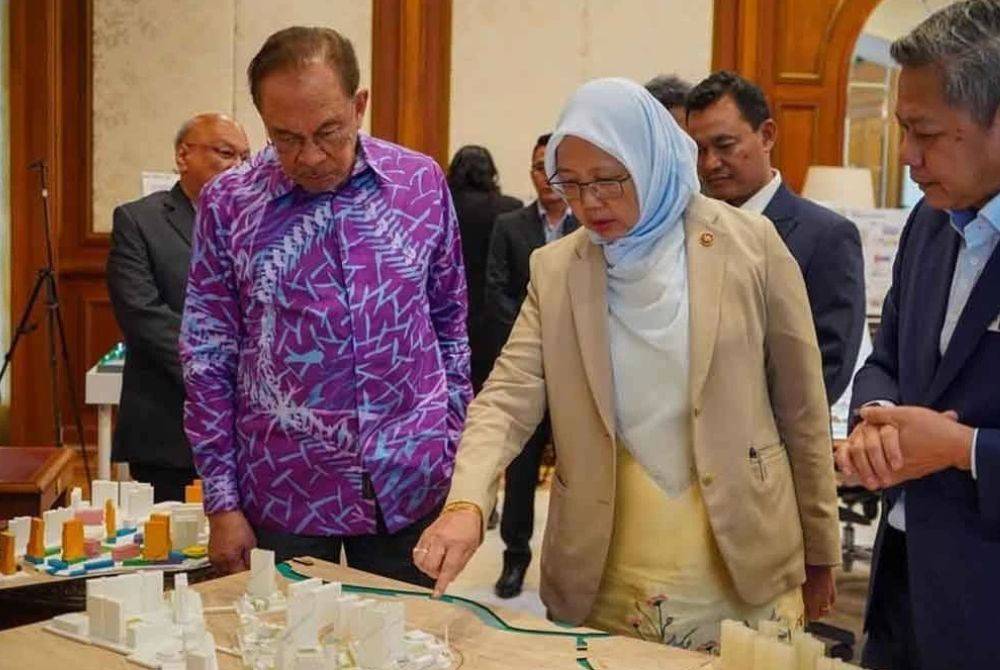
What is Kota Madani?
Spanning 41.28 hectares, the high-density township will not only house 10,000 government quarters and up to 35,000 residents but also integrate artificial intelligence (AI), green mobility and next-generation digital infrastructure into every aspect of city life.
According to Putrajaya Corporation (PPj) president Datuk Fadlun Mak Ujud, the estimated RM4 billion development cost will be funded via a Public-Private Partnership (PPP) under the Private Finance Initiative (PFI) model.
Putrajaya Holdings (PJH) has been appointed as the master developer, with the project structured under a Build–Lease–Maintain–Transfer (BLMT) model to ensure long-term sustainability and reduce the financial burden on the government.
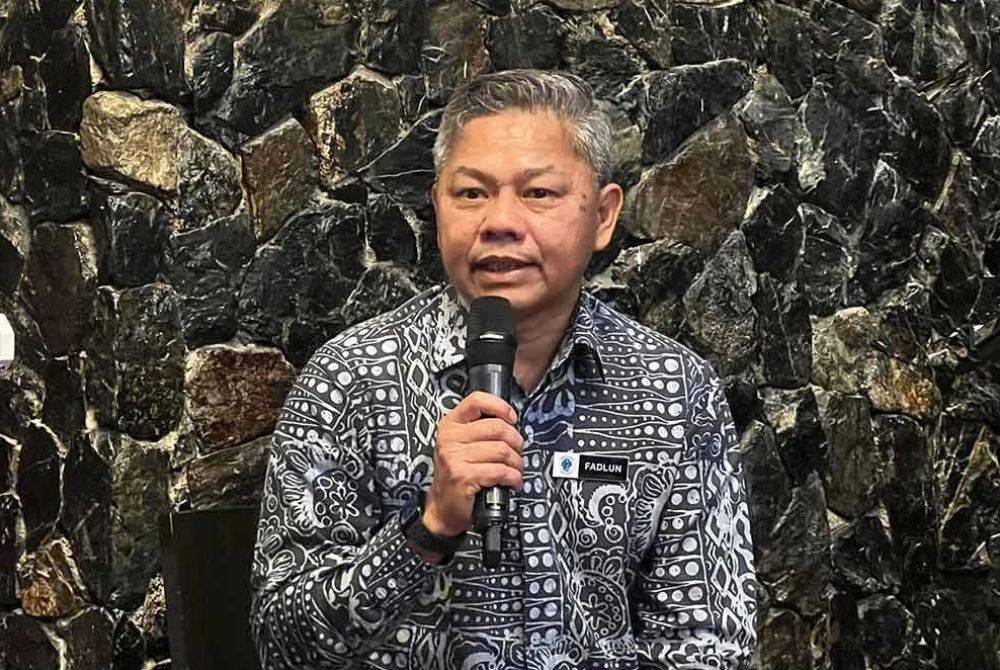
“The government has decided to proceed with this project using PFI and the Cabinet has approved PJH as the implementing body for the project, with a development budget of RM4 billion sanctioned by the government,” Fadlun said during a media briefing.
He clarified that the Public-Private Partnership Unit (UKAS) under the Prime Minister’s Department will oversee all expenditures through a rigorous value assessment process.
“The government always considers cost-saving measures, but the objective of providing facilities, especially for civil servants and those working in Putrajaya, remains a priority,” he said.
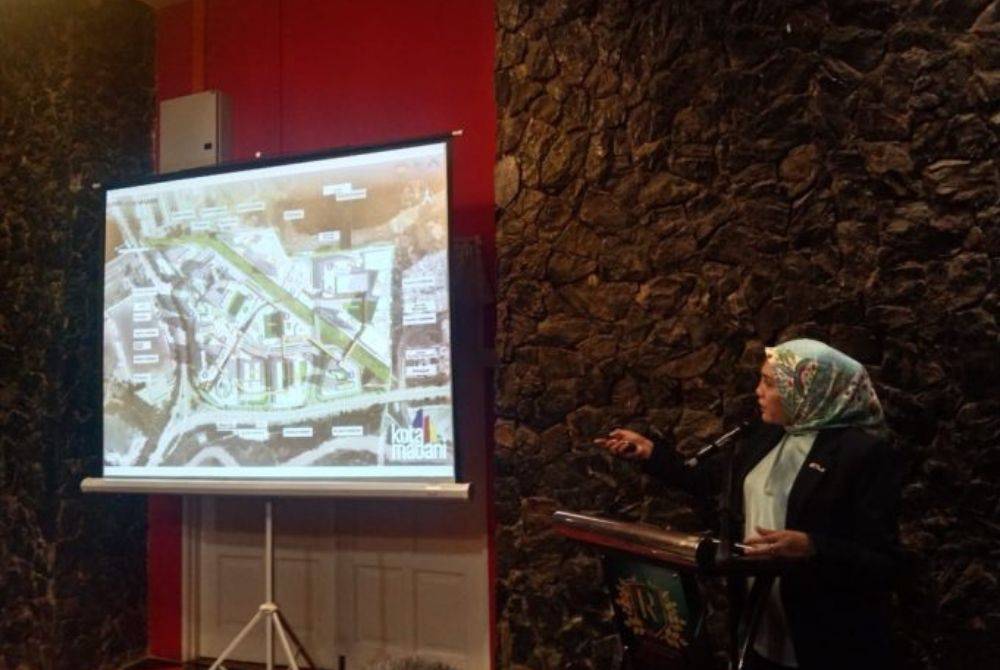
When Does It Start?
Phase 1 of the project, scheduled to commence in the third quarter of 2025, will comprise approximately 3,000 high-rise residential units and an eight-story secondary school.
The groundbreaking ceremony is scheduled to take place this Thursday, officially launching the construction process.
These initial components are expected to be completed and fully operational by the end of 2027.
Tenders for contractors and stakeholders will also be opened soon, with PJH conducting a transparent open bidding process.
Contracts will be awarded based on merit, particularly the bidder’s technical capabilities, experience with green development and ability to deliver smart-city infrastructure in line with Putrajaya’s vision.
Kota Madani will be developed in three main phases.
Phase 1 (including Sub-Phases 1A and 1B) will focus on initial housing and educational infrastructure.
The subsequent phases will roll out more housing units and community services, bringing the total to around 10,000 quarters once fully complete.
The development is expected to set a benchmark for urban planning not only in Putrajaya but across Malaysia, offering a scalable model that combines digital, environmental and social priorities in a unified, livable ecosystem.
A Staggering RM4 Billion Cost
But what exactly accounts for the RM4 billion cost?
Fadlun clarified that beyond construction, the figure includes integrated digital and AI systems, sustainable transportation infrastructure, energy-efficient housing design and lifetime maintenance of the government quarters.
The township will feature high-density vertical housing, AI-supported building management systems, high-speed digital connectivity and a green mobility ecosystem that includes EV infrastructure, cycling lanes and pedestrian-friendly streets.
Key public amenities such as a health clinic, fire station, police station, mosque,and financial institutions will be placed within walkable proximity to residential blocks, creating a self-contained township.
The development also integrates energy-efficient features and low-carbon initiatives to support environmentally responsible urban living.
According to the Malaysian Institute of Planners president Datin Mazrina Abdul Khalid, the inclusion of these “green” elements forms the core foundation of the township’s design philosophy.
Despite the hefty RM4 billion price tag, under the BLMT model, the government does not directly bear the cost of maintenance, which will be financed and managed over the long term as part of the private investment agreement.
The repayment schedule and oversight will also be coordinated by UKAS.
A Car-Free Environment
While it may seem like any other residential development project, Kota Madani is set to break new strides in Malaysia’s residential landscape with a car-free concept.
As Mazrina further elaborated, vehicles will be permitted within the precinct, but their movement will be entirely underground.
"Cars will immediately descend to the basement when they enter Kota Madani and will be parked in a three-story underground parking structure.
"Above that, starting from the podium level, every area is a car-free zone reserved solely for pedestrians,” she said.
This layout allows residents to experience everyday life without the hazards or disruptions of vehicular traffic. Schools, mosques, community hubs, shops and recreational areas are all within walking distance.
“Imagine being able to walk from home to your child’s school, to the market, to the playground, to the community centre or to the mosque without crossing any roads or traffic lanes,” Mazrina quipped.
The goal is to ensure that all essential amenities are just a ten to fifteen minute walk away.
Kota Madani is not only people-focused but also technologically advanced as it will incorporate smart-city features including artificial intelligence for surveillance and facilities management.
Sustainable practices such as solar energy use, rainwater harvesting, rooftop gardens and community allotments are also integrated into the design, reinforcing its low-carbon ambition.
Kota Madani, Beyond the Horizon
Federal Territories Minister Datuk Seri Dr Zaliha Mustafa affirmed that the name “Kota Madani” will be retained, in alignment with the aspirations of the current Unity Government.
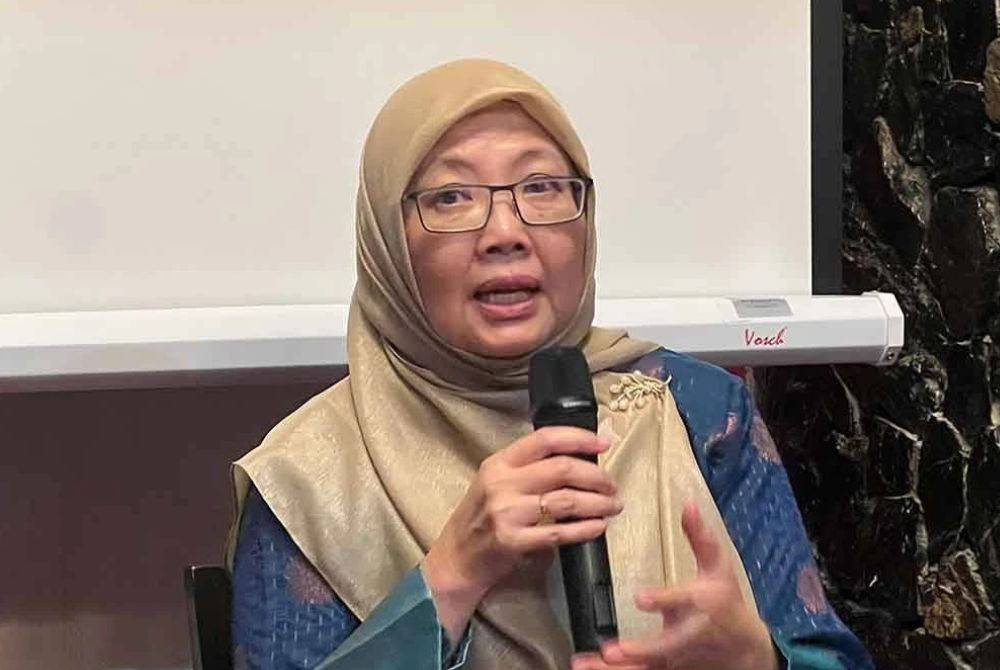
She said that the project transcends political cycles and is deeply rooted in a forward-thinking, inclusive development framework.
“The CHASE City concept...Clean, Healthy, Advanced, Safe and Eco-Friendly has been comprehensively incorporated, as introduced by the Federal Territories Department.
"If we successfully implement this concept in Putrajaya, it may be expanded to other locations,” she said.
Mazrina, who is also the Urban SCALE Studio Sdn Bhd managing director, echoed this sentiment, stating that Kota Madani’s masterplan draws inspiration from Malaysia’s architectural heritage while embracing modern urban design principles.
“Kota Madani goes beyond conventional housing. It is a forward-looking model for smart, sustainable and inclusive development,” she said.
Download Sinar Daily application.Click Here!