New advances in burn care offer alternatives to surgery, but skin grafting still crucial in severe cases
Thanks to recent advances in medicine including stem-cell therapies and regenerative serums, many patients can now experience effective healing without grafting.


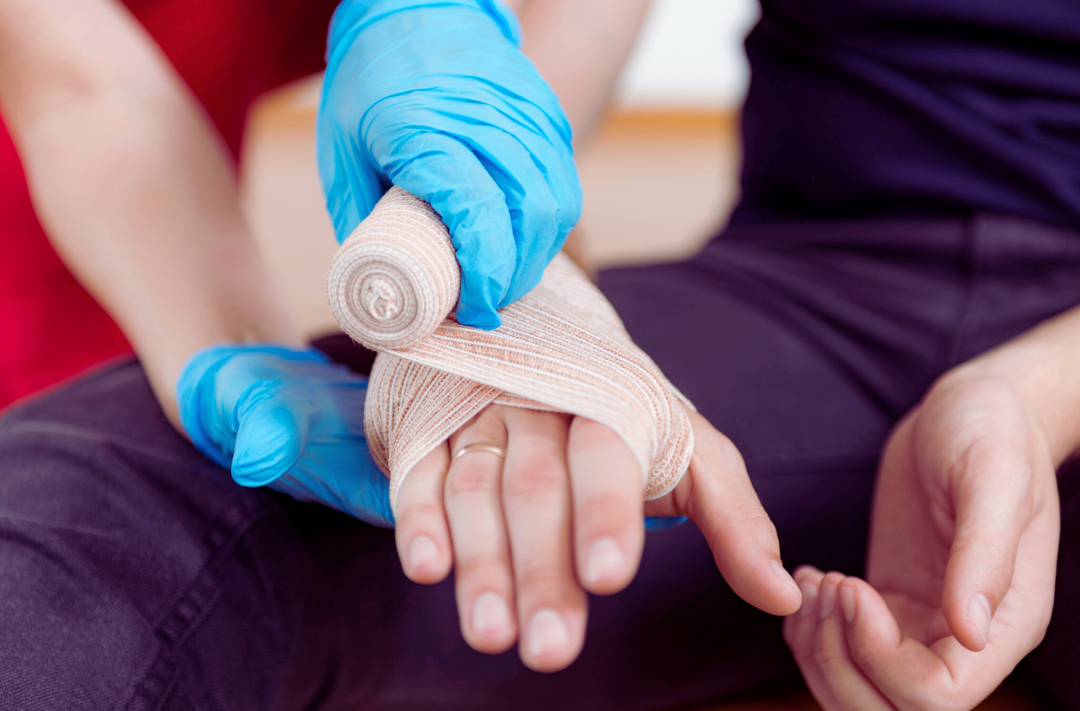
CHEMICAL burns can cause extensive damage to the skin and underlying tissues, and while surgical reconstruction remains an essential component of treatment, not every case necessitates an operation.
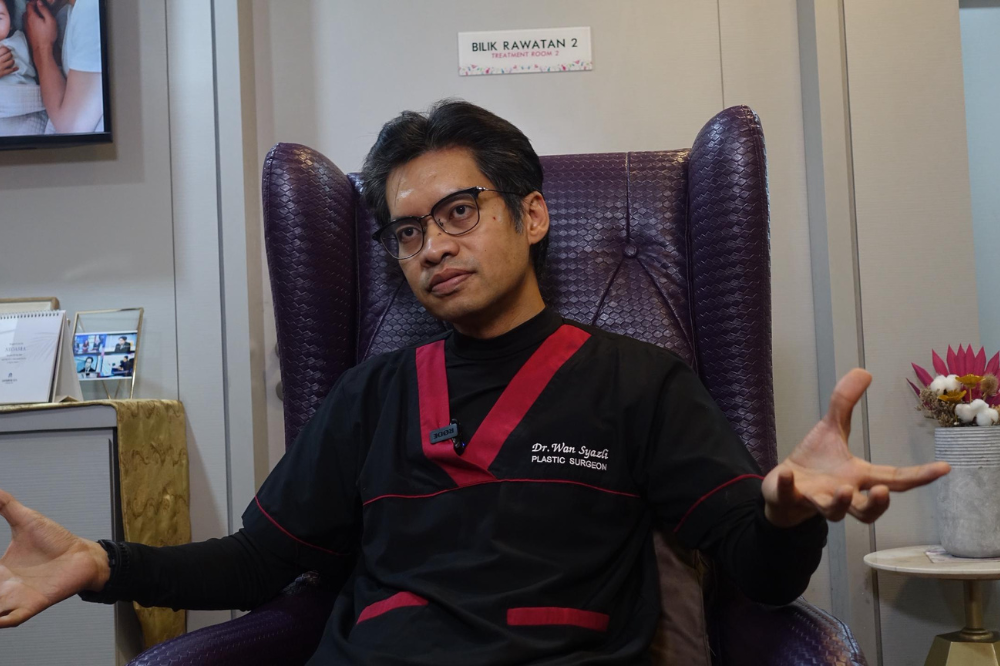
Avisena Consultant Plastic and Reconstructive Surgeon Dr Wan Syazli Rodzaian said that thanks to recent advances in medicine including stem-cell therapies and regenerative serums, many patients can now experience effective healing without grafting.
“You have to look at the big picture, it’s not just about performing reconstruction for all burn cases. There has been a shift in the paradigm of burn treatment with the technologies we have today.
“In the past, burn treatment often meant daily dressings for two to three months, which caused a great deal of stress for patients. But now, the approach has changed significantly,” he said during a recent interview at Avisena Women’s & Children’s Specialist Hospital.
Why surgery is still necessary in some cases
Despite these promising developments, Dr Wan Syazli emphasised that surgical intervention remains critical for larger or more complex wounds.
“If you wait too long for skin to regenerate naturally, there's a high risk of infection or fluid loss, which could endanger the patient. In such cases, we must act fast to cover the area using surgical methods,” he added.
The decision to proceed with skin grafting depends on several factors, including the size of the wound, the availability of healthy skin to harvest, and the location of the burn.
He highlighted that in cases involving extensive burns, such as 90 per cent of the body, it becomes extremely difficult to find sufficient donor skin, and although families may offer to donate their own, skin from others cannot be used due to the risk of rejection; only the patient's own skin is suitable for grafting.
Innovative grafting techniques
However, modern techniques allow skin to be harvested multiple times from the same area.
“We use what’s called split-thickness skin grafting. Essentially, we take a thin slice, about a third of the skin layer, leaving the rest to regenerate.
“In two to three weeks, we can often harvest from the same site again,” Dr Wan Syazli said
Interestingly, he said that the scalp has emerged as a preferred donor site due to its ability to regenerate without visible scarring.
He pointed out that the scalp is often used as a donor site for skin grafts, as it heals well and leaves no visible scarring once the hair grows back within two weeks, making it an ideal option.
In situations where available skin is extremely limited, he added a small sample, just 1cm² can be sent to a laboratory to be cultured and expanded for future grafting.
Location and function matter
The location of the burn also plays a key role in determining treatment priority.
“A burn on the elbow, for example, is more functionally significant than a burn on the forearm. If the scar causes stiffness, it could impair movement permanently. So we prioritise grafting on joints like elbows, knees or fingers where mobility is at risk,” he said.
Additionally, burns that expose vital structures, such as the heart or major blood vessels require immediate coverage to prevent life-threatening complications.
The future of burn treatment
While surgery remains a cornerstone of burn care, Dr Wan Syazli believes the field is on the cusp of a major transformation.
He emphasised that the ultimate aim is to achieve healing with minimal intervention, as avoiding surgery where possible leads to less pain, quicker recovery, and improved quality of life for patients.
While surgery remains essential for managing severe chemical burns, he stressed that emerging therapies are reshaping the treatment landscape by providing less invasive yet equally effective alternatives.
Download Sinar Daily application.Click Here!


