Not all burns need the same care — getting it wrong can cause harm
A strong understanding of burn types, appropriate classification, and tailored care is crucial, both at the time of injury and throughout the long-term recovery process.


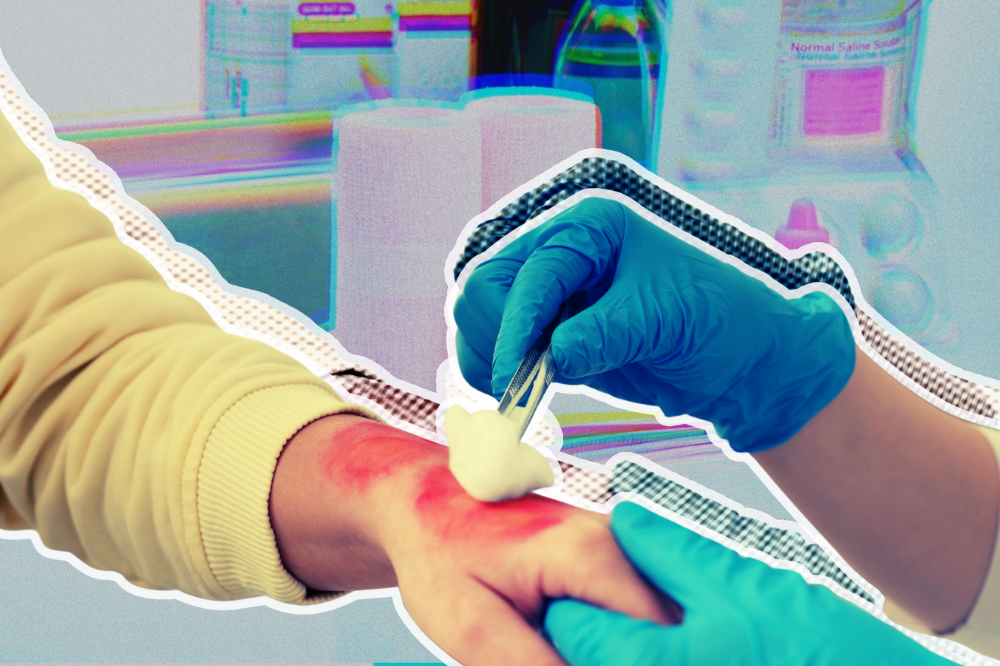
BURN injuries, while often underestimated, can lead to serious complications and even fatalities if not properly managed.
They encompass a wide range of causes and severities, and despite modern awareness, many people still lack basic understanding of how to assess, classify and treat burns. Among the different types, chemical burns are particularly concerning due to their potential to cause deep tissue damage rapidly and often silently.
A strong understanding of burn types, appropriate classification, and tailored care is crucial, both at the time of injury and throughout the long-term recovery process.
Avisena Consultant Plastic and Reconstructive Surgeon, Dr Wan Syazli Rodzaian Wan Ahmad emphasised that the nature of burn injuries in Malaysia can generally be divided by two key aspects, the affected demographic and the type of burn agent involved.
“In terms of the demographic distribution of burn patients, we generally divide them into two categories, the adult population and the paediatric population.
“Most of the burn cases we see in hospitals don’t require admission. Around 90 per cent can be treated as outpatients, while fewer than five per cent need to be admitted for further care,” he said when interviewed recently at Avisena Women's & Children's Specialist Hospital.
He further said that while adult patients do experience serious burns, a significant proportion, up to 70 per cent of hospitalised cases involve children.
In this paediatric group, most burns are caused by hot water, typically categorised as thermal burns.
He pointed out that burn agents fall into five broad categories, thermal, chemical, electrical, radiation and, within thermal burns, further distinction is made between injuries caused by open flames and those from scalding hot liquids.
Dr Wan Syazli emphasised that chemical burns, in particular, result from exposure to acidic or alkaline substances and require immediate and appropriate response due to their capacity to penetrate deeper layers of tissue.
When discussing burn classifications, he stated that medical professionals rely on depth-based terminology, superficial, partial thickness, and full thickness burns.
“Superficial burns involve only the outer skin, like sunburns.
“Partial thickness is when the skin is already involved, often seen as blisters, and full thickness means the entire skin layer is damaged, possibly down to muscle or bone,” he said.
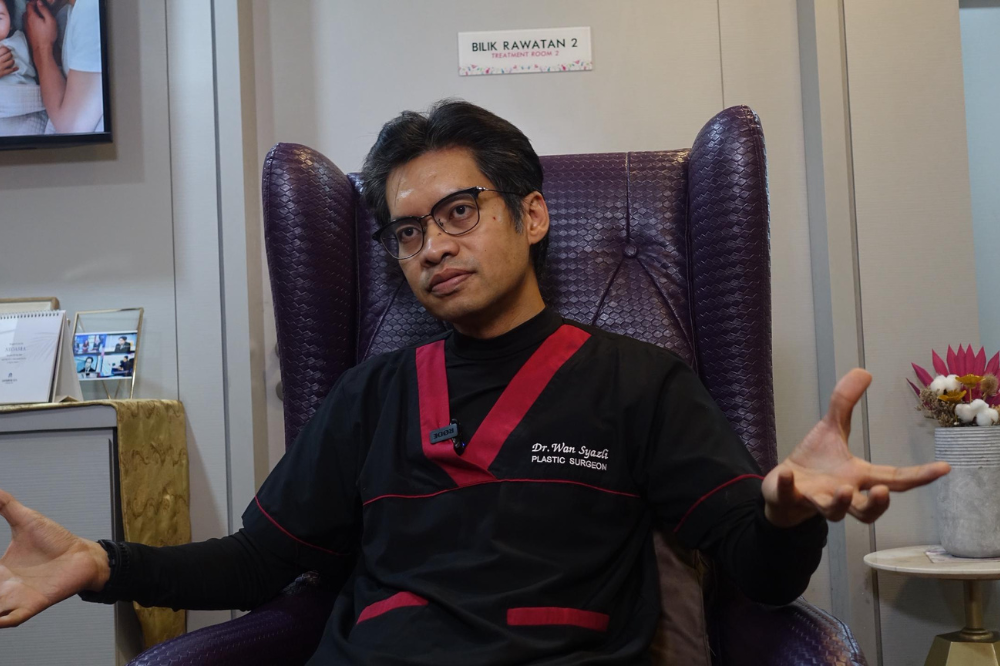
This classification system is vital for consistent communication between healthcare providers, especially when patients are transferred between hospitals.
Miscommunication, he noted, could lead to incorrect initial treatment, which can worsen outcomes.
Dr Wan Syazli also highlighted the importance of recognising that the healing process is multifaceted. It encompasses both physical recovery and psychological well-being.
He noted that patients, especially those with severe injuries, may suffer from emotional trauma or post-traumatic stress, which must be addressed as part of comprehensive care.
In children, Dr Wan Syazli added, this psychological dimension is particularly delicate, and early intervention can significantly improve long-term recovery.
In terms of physical healing, he drew attention to the fact that paediatric patients often respond differently to burn injuries compared to adults due to their physiological makeup.
He recalled a case involving a five-year-old girl who sustained a scalding from hot soup.
“The child actually passed away because of a simple hot soup injury. It started with an infection, and eventually her kidneys, heart, and brain shut down. She died within three weeks,” he added.
Dr Wan Syazli emphasised that this case illustrates how paediatric burns, even those that appear minor, can escalate dangerously due to the child’s more reactive physiology.
When looking at adult burn patients, he noted that while their bodily systems may be more stable, the presence of other health conditions such as diabetes or cardiovascular disease can negatively influence healing and increase the risk of complications.
Thus, treatment strategies need to be tailored according to the patient’s overall health and age.
Long-term care, according to Dr Wan Syazli, must address both the visible and invisible aspects of burn recovery. He emphasised that care extends well beyond the initial wound healing.
Patients may face extended journeys involving scar management, physical therapy, and emotional rehabilitation.
He mentioned that some patients arrive at his centre long after their acute phase has passed, presenting with complications such as hypertrophic scars or contractures that require surgical or non-surgical interventions.
In these cases, Dr Wan Syazli said that management strategies may involve scar revision surgery, laser therapy, injectables, and compression garments.
He also observed that some families travel internationally to seek care for these complications, demonstrating the complex and enduring nature of burn treatment.
He highlighted the importance of prevention, timely intervention, and holistic care.
“The key is how to identify the agents, how to treat them in a timely manner, and eventually you can get the result that you want,” he added.
With the right interventions and multidisciplinary care, outcomes for both children and adults can be significantly improved.
However, prevention and education remain crucial to reducing the incidence and severity of burns in the first place.
Download Sinar Daily application.Click Here!