Claws for hope: West Papua villagers fight to save their crabs, and coastlines
While the world is waking up to saving forests and trees, few stop to think about the humble crab — a keystone species quietly disappearing from coastal ecosystems.


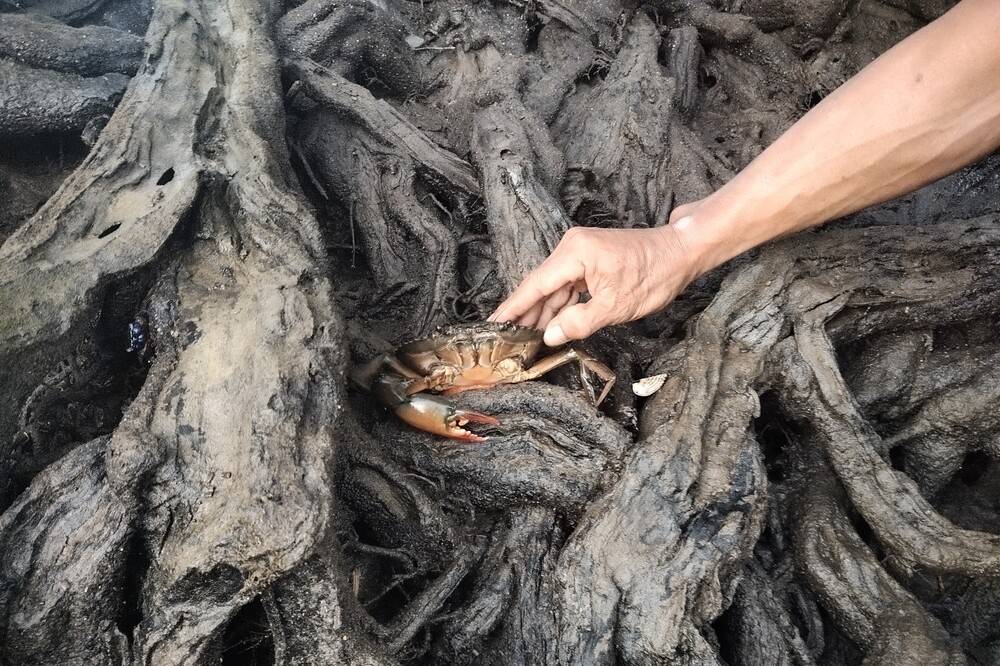
In Patimburak Village, tucked within the lush mangrove coastlines of West Papua, a quiet transformation is taking place — one that is not just saving crabs, but restoring a way of life rooted in tradition, resilience and care for nature.
For generations, seafood has been more than just food in Southeast Asia. It is culture. It is a livelihood. From grilled ‘ikan bakar’ by the roadside to steaming bowls of crab curry at family dinners, the ocean breathes life into our tables and traditions.
But while the world is waking up to saving forests and trees, few stop to think about the humble crab — a keystone species quietly disappearing from coastal ecosystems.
In Malaysia and across the region, crabs have long played a role not only in culinary heritage but in marine ecosystems. As bottom dwellers, they clean ocean floors, recycle nutrients and feed countless predators. But their numbers are dropping.
Overdevelopment, mangrove deforestation and pollution are wiping out their habitats. In turn, fishers and local communities who rely on crab harvests face declining yields and fading futures.
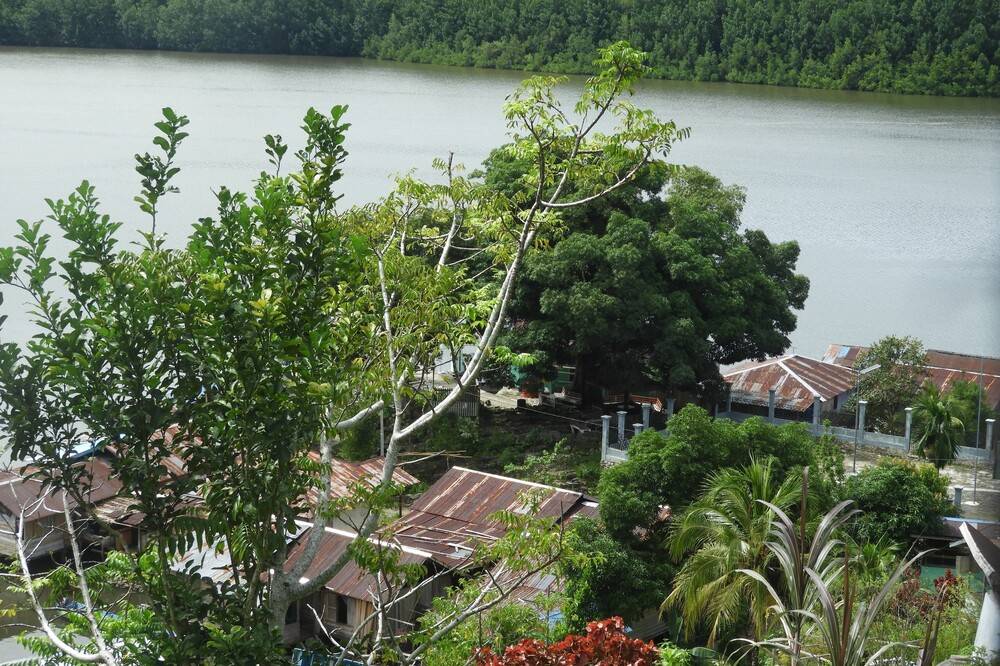
A 2023 report by Indonesia’s National Research and Innovation Agency (Brin) estimated that Southeast Asia is losing up to 7.5 million tonnes of fish annually, translating to a staggering USD 22.5 billion in losses. Climate change, plastic waste and coral and mangrove degradation are driving this crisis.
A Crabby Crisis in West Papua
In Patimburak Village, West Papua, these pressures are felt deeply. Once-rich mangrove estuaries are no longer teeming with life as they once were. Crab fishers like Adino — part of the Togar Puan fishing collective — noticed the shift and knew something had to change.
“We realise this change is important for the sustainability of the marine ecosystem. That is what motivates us; how the community can continue to utilise crabs without depleting their population,” Adino said.
But the solution was not instant. In 2020, Kaleka — an Indonesian non-profit that supports forest-dependent and fishing communities — launched a crab farming initiative with Togar Puan. The pilot failed due to costly and impractical container designs.
By 2024, they returned with a new plan. Instead of expensive infrastructure, they built cultivation containers using locally sourced bamboo, allowing flexible sizes and easy replication across households.
With this approach, crab farming became community-friendly, low-cost, and scalable.
“This time, we are trying a new approach to crab cultivation with the restorative aquaculture method. Each crab is placed in a separate container around the house of the Togar Puan fisher group leader, making it easier for the community to monitor growth.
“If a female crab has produced eggs, that female crab will be released back into the mangroves to ensure the sustainability of the crab stock,” Kaleka’s Research Director Venticia Hukom explained.
Beyond Farming: Building a Marine-Conscious Community
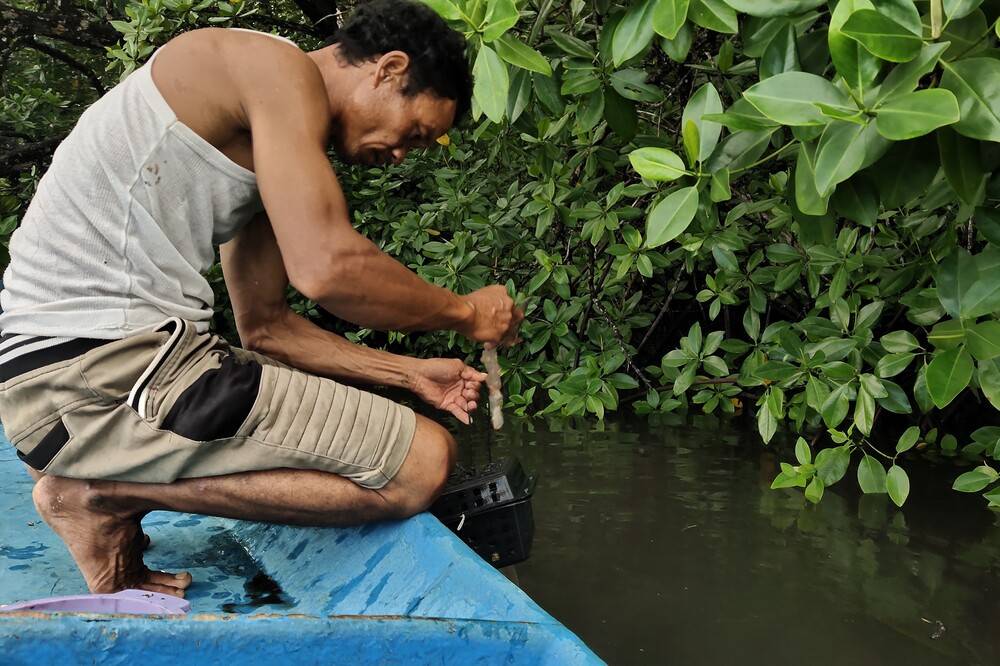
Kaleka did not just help build containers — they helped build understanding. Fishers were trained to measure ammonia levels in the water, ensuring a healthy environment for the crabs.
“This is done so that fishers understand the importance of maintaining water quality for the survival of cultivated crabs. Furthermore, by returning female crabs that have produced eggs, the community also learns how to maintain the crab stock in nature.
“Through this activity, it is hoped that the community will understand the importance of sustainable crab cultivation,” Venticia added.
One of their proudest achievements? An eight-by-eight-metre hybrid cultivation cage. This floating habitat can hold up to 100 crabs, shaded by mangrove saplings that grow alongside.
The idea is to mimic natural conditions so crabs can thrive while still being protected — a small but powerful way to balance harvesting with conservation.
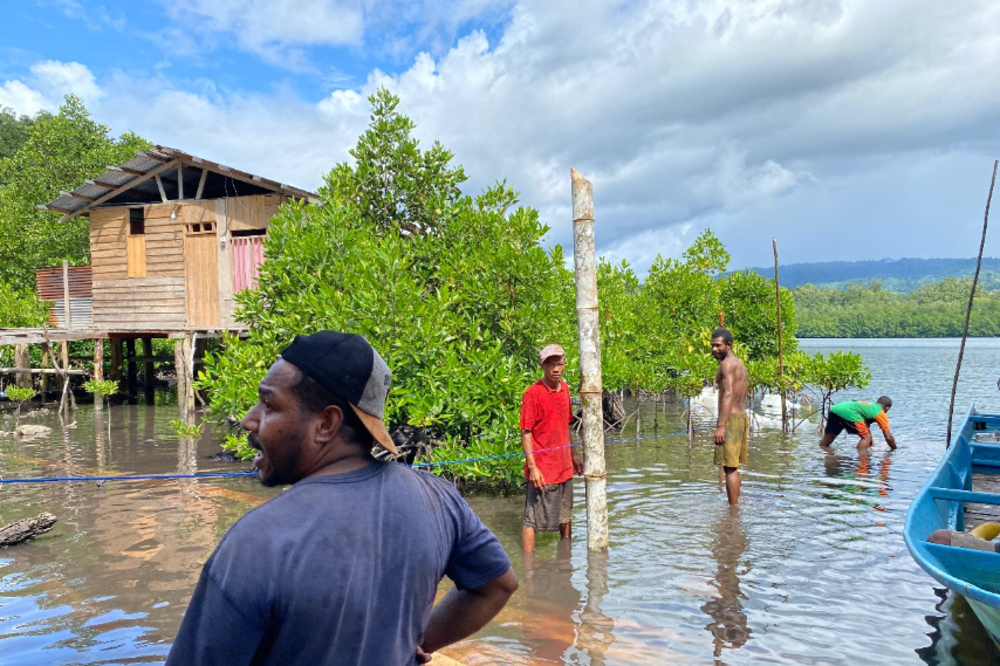
Reimagining Crabs as Catalysts for Eco-Economies
For Adino, crab conservation is not just about today’s catch — it is about securing tomorrow’s survival.
“There needs to be public awareness on how female crabs should not be entirely harvested, but allowed to lay eggs and reproduce. If preserved in large cages, it could even become an ecotourism attraction for Patimburak Village.
“Visitors could come and learn about the crab life cycle and crab cultivation,” he said.
By combining local wisdom, community effort and scientific methods, the Togar Puan group is showing what is possible when people value nature not just as a resource, but as a partner.
The collaboration between the community, Kaleka and local authorities offers a new narrative; one where economic resilience and environmental stewardship walk hand in hand.
And in this story, the crab — small, silent and often overlooked — becomes a symbol of how saving one species can help restore an entire ecosystem, and a community’s dignity along with it.
Download Sinar Daily application.Click Here!