Is 15 per cent EV adoption by 2030 just wishful thinking?
Despite a notable surge in EV sales in Malaysia this year, the numbers remain far too low to meet the government’s ambitious target.


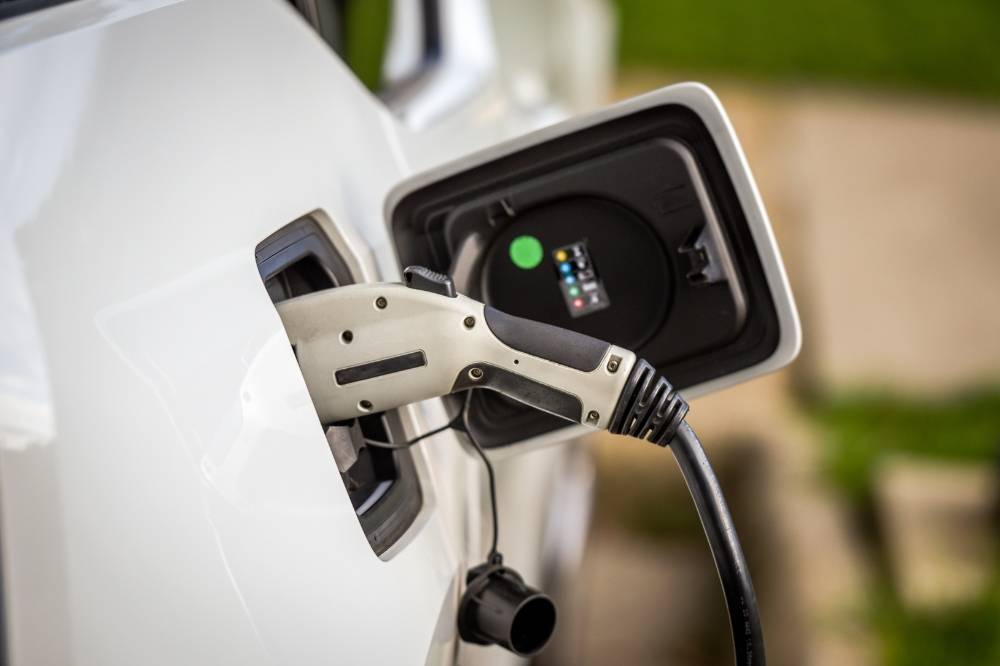
SHAH ALAM - Despite a notable surge in electric vehicle (EV) sales in Malaysia this year, the numbers remain far too low to meet the government’s ambitious target of 15 per cent EV adoption by 2030.
Industry leaders are now urging the government to extend key incentives to avoid derailing the country’s EV roadmap.
EV Sales Are Growing, But Still a Small Slice of the Market
EV sales in Malaysia nearly doubled in the first half of 2025 compared to the same period in 2024, reflecting strong momentum in consumer interest.
However, in reality, EVs still make up only around 3.4 per cent to four per cent of total new car sales, according to the Malaysian Automotive Association (MAA).
“We feel that there is still not enough so-called momentum for the EVs and the market needs to continue to ensure that there will be a much more long term effect,” MAA President Mohd Shamsor Mohd Zain said.
He pointed out that the current total industry volume (TIV) for EVs is only about four per cent, while hybrid EVs stand at approximately 4.6 per cent. This is far from the national EV target of 15 per cent by 2030, raising concern that without continued support, Malaysia may fall short.
MAA Urges Continuation of Subsidies
In light of these figures, the MAA is advocating for the extension of subsidies and tax exemptions, which are currently set to expire at the end of 2025.
“Right now, the volume base is only about four per cent for EVs. So it is still, I would consider still low because of the long-term projection where the government has set a target of 15 per cent by 2030,” Shamsor added.
He explained that prolonging these subsidies would build confidence among manufacturers to invest and plan for local EV production, which could further stimulate adoption.
Cost and Charging Still Major Roadblocks
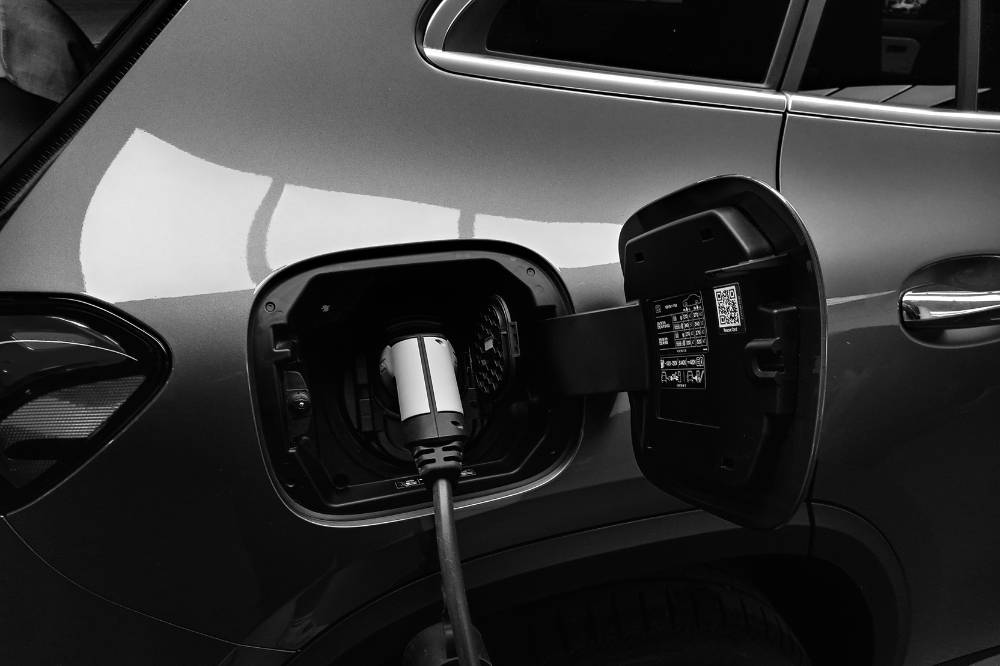
While tax exemptions, such as import and excise duty waivers, help reduce the upfront cost of EVs, affordability remains a significant barrier.
According to online discussions, including those on forums like Reddit, some drivers were also discouraged by the high cost of charging at public stations, which could undermine the long-term financial appeal of owning an EV.
The lifestyle changes required, such as adapting to charging schedules or home charging setup, also pose challenges for new users, especially those unfamiliar with the technology.
Data May Be Under-Reported
There is also a caveat to the current EV sales data. The MAA’s figures reportedly do not include vehicles from certain EV-focused brands like Tesla, Zeekr and Xpeng, which means the actual market share could be slightly higher.
Still, the association maintains that even accounting for those sales, the total would remain well below the 15 per cent threshold.
What’s Next?
The government has already extended EV tax incentives twice, from the original deadline of Dec 31, 2023, to the end of 2024 and later to Dec 31, 2025.
But with sales still sluggish and infrastructure concerns unresolved, industry leaders are calling for even longer-term policies.
The message is clear: without continued support, Malaysia’s transition to electric mobility risks losing steam.
Download Sinar Daily application.Click Here!


