The real cost of a healthier Malaysia starts in the lunchbox
Malaysia faces a complex nutrition crisis, a triple burden of undernutrition, micronutrient deficiencies and obesity.
ANG ZHENG FENG
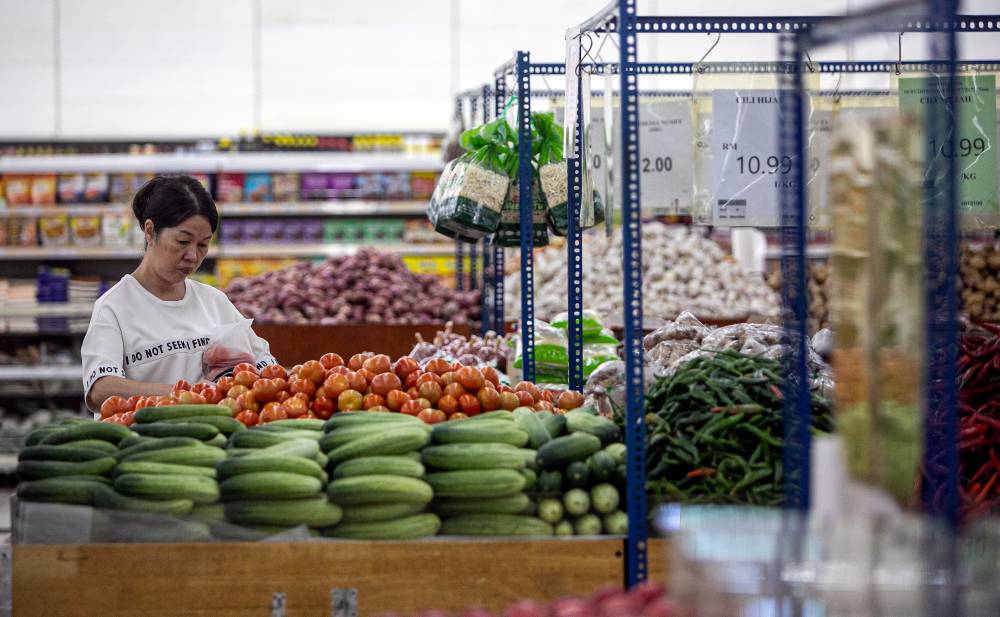
WHEN the government announced the expansion of the Sales and Service Tax (SST) starting July 1 this year, many Malaysians focused on the rising cost of goods.
Less attention, however, has been given to how this policy and the earlier increase in sugar-sweetened beverage (SSB) excise duties could shape the health of our next generation.
While the intention behind these taxes is clear, discouraging SSB consumption and encouraging support for local produce, the real question is: Will they make Malaysian children healthier?
Under the new SST regime, key staples like rice and vegetables are exempt, but items such as imported fruits and dairy products (excluding milk) are now taxed at 5 per cent.
While the sugar tax is a step toward reducing excessive sugar consumption, the price hikes on imported fruits and dairy products may reduce access to healthier food options and limit the diversity of people's diets, particularly for low-income families.
The latest National Health and Morbidity Survey (NHMS) 2024: Nutrition reveals a sobering reality:
- One in two children aged five to nine do not consume enough diverse food groups.
- A shocking 97 per cent of adolescents do not consume the recommended two glasses of milk.
- 87 per cent of adolescents do not consume the recommended two servings of fruit.
- 63 per cent of adolescents drink at least one serving of sugary drink a day.
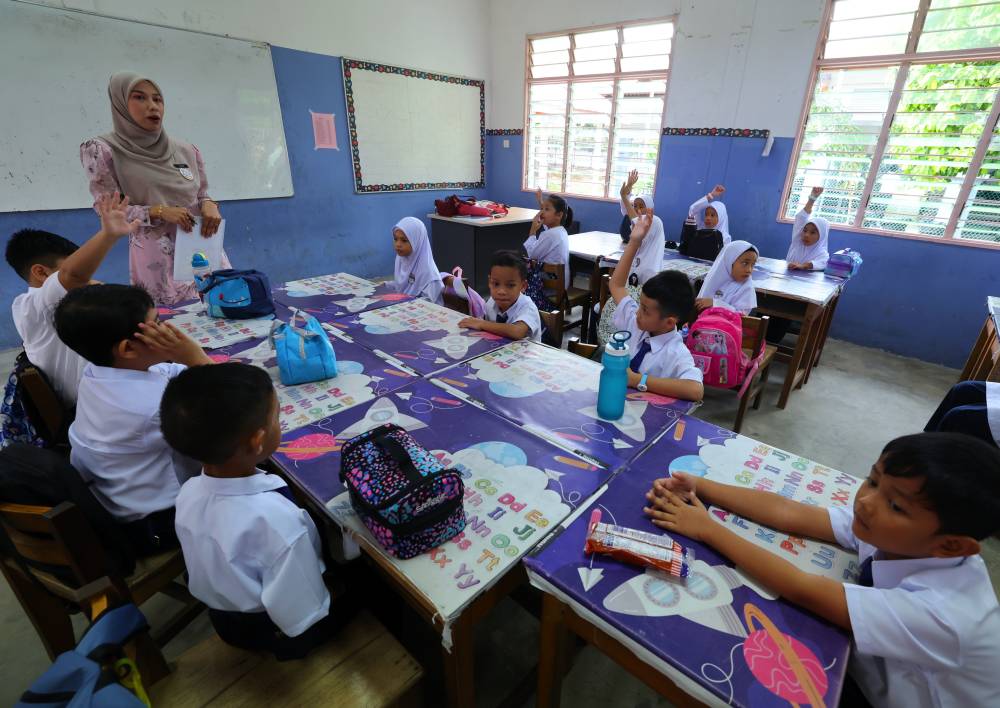
Malaysia faces a complex nutrition crisis, a triple burden of undernutrition, micronutrient deficiencies and obesity.
One in five children under five is stunted, while one in three adolescents is overweight or obese. These are not just health statistics; they reflect real challenges faced by Malaysian families and the long-term economic risks of a poorly nourished generation.
Fiscal tools like SSB taxes and SST can support healthier diets but only if paired with meaningful public investment.
The government should reinvest tax revenues into nutrition-focused programmes, especially in schools. This includes:
- Strengthening nutrition promotion efforts and expanding the reach of the Healthy School Meal Programme (HiTS) through subsidies, so that all students can benefit regardless of income.
- Providing free local fruits and milk to students nationwide. Norway has successfully boost student fruit consumption by 25 per cent through free school fruit, and Malaysia can too with the added benefit of supporting local agriculture.
- Ramping up monitoring and enforcement of existing guidelines on sales of food and beverages within and around schools including canteens, vending machines, cooperatives and street vendors to create a healthier food environment for students.
Financial assistance programmes like Sumbangan Asas Rahmah (Sara) are well-intentioned but not nutrition-sensitive.
Current options often allow the purchase of processed foods that are high in sugar, salt and fat, while fruits and vegetables are out of reach. This is a missed opportunity to promote healthier eating in the very households that need it most.
Let’s pivot subsidies to favour nutrient-rich options.
A study published in The Lancet Planetary Health found that a 20 per cent price cut on fruits and vegetables resulted in a 17 per cent increase in purchases.
That kind of behavioural change could be transformative for Malaysia’s fight against non-communicable diseases, conditions already costing us RM51.8 billion in lost productivity and RM12.4 billion in healthcare and disability payment in 2021.
Just as we united during the Covid-19 pandemic, we must now address the silent crisis of poor diets and child malnutrition with the same urgency.
According to the World Bank, every US$1 invested in tackling malnutrition yields a US$23 return. That is not just a health dividend, it is economic common sense.
If we are going to tax unhealthy consumption, we must also make healthy choices more accessible and affordable. That means turning taxes into targeted investments that nourish our children today and build a healthier, more productive Malaysia tomorrow.
Let us ensure fiscal policy does not just balance the books but feeds a healthier, more sustainable future for all.
Ang Zheng Feng is the Health and Nutrition Officer, World Vision Malaysia, a child-focused international humanitarian relief, development, and advocacy organisation dedicated to helping overcome poverty and injustice. The views expressed in this article are his own and do not necessarily reflect those of Sinar Daily.
Download Sinar Daily application.Click Here!


