From limited options to precision care: How prostate cancer treatment has evolved
Doctors are now moving towards precision care, a more targeted approach that delivers the right treatment to the right patient at the right time.


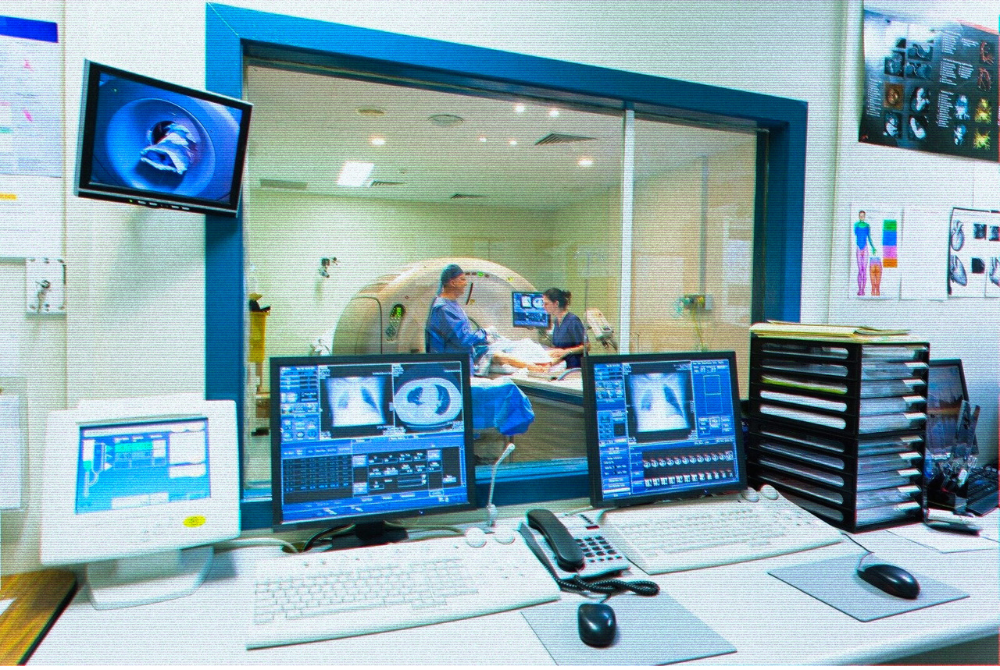
PROSTATE cancer treatment has undergone a major transformation over the past three decades, moving from limited, generalised methods to highly personalised therapies that promise better outcomes, fewer side effects and greater cost efficiency.
Sunway Medical Centre Consultant Clinical Oncologist, Dr Nik Muhd Aslan, said that in the 1990s, doctors had only three main treatment options for cancer patients, namely surgery, radiotherapy or medical treatment such as chemotherapy. For prostate cancer specifically, medical treatment often involves hormone therapy.
“Back then, our choices were limited. Over time, we realised that different patients respond differently, and factors like age, stage of cancer, and existing health conditions influence what works best,” he said in a health forum held in Sunway Medical Centre.
Understanding the stages
Prostate cancer is classified into four stages, each determining the type of treatment suitable for a patient.
Stage I: The cancer is confined within the prostate, usually involving less than half of the gland.
Stage II: The tumour is larger but still confined to the prostate.
Stage III: The cancer has spread outside the prostate, potentially reaching nearby structures such as the bladder or rectum.
Stage IV: The disease has metastasised, commonly spreading to bones and other organs.
“Staging is crucial because it tells us how far the cancer has progressed. We determine this through physical examinations, PSA (prostate-specific antigen) blood tests and imaging such as CT scans and MRI.
"But these methods have limitations; they may miss early spread or fail to show exactly where the cancer is located,” Dr Nik explained.
The rise of precision care
With advances in diagnostic research, Dr Nik said doctors are now moving towards precision care, a more targeted approach that delivers the right treatment to the right patient at the right time.
“Precision care means treatment is tailored to the individual. It reduces side effects, allows for earlier detection and intervention, prevents the cancer from spreading to the bones – which happens in 90 per cent of advanced cases – and it is more cost-effective in the long run,” Dr Nik said.
According to Dr Nik, one of the biggest breakthroughs in this area is the use of theranostics, a combination of diagnostics and therapy that allows doctors to both detect and treat cancer in the same process.
“Theranostics is a game-changer. It uses PSMA imaging to locate cancer cells and then delivers targeted treatment directly to them. It is personalised, non-invasive, does not require surgery, and is highly effective because it targets only the cancer,” he added.
Dr Nik further highlighted how the treatment journey for prostate cancer patients has shifted dramatically.
“In the past, we reacted to cancer as it progressed. Now, with PSMA and precision medicine, we can detect recurrences earlier, classify patients into high, intermediate or low risk, and intervene more effectively. This shift from reactive to proactive care gives patients smarter, safer, and more effective treatment options,” he said.
The transition from limited therapies in the 1990s to today’s cutting-edge theranostics reflects a broader trend in cancer treatment – moving from broad, invasive methods to targeted, patient-centred care.
With prostate cancer being one of the most common cancers among men, experts believe that continued advancements in precision medicine and theranostics could redefine survival rates and treatment experiences in the years to come.
Download Sinar Daily application.Click Here!


