Normalising mental health conversations in local communities
Creating safe spaces to talk openly is seen as the first step in breaking the stigma around mental health.


NORMALISING conversations about mental health particularly within local communities, is widely seen as a vital first step.
Sage Centre founder and chief executive officer,Yasmin Khan, emphasised the importance of creating more safe spaces or platforms for open communication, where individuals could share their feelings freely and without judgement.
“I want everyone to know there is a space where you won’t be judged, where it’s safe to speak.
“You don’t need to wait until you’ve hit rock bottom to seek help, support can begin at any stage. That’s the message I really hope we can spread more widely,” she said during an interview at the Karnival Siang dan Malam recently.
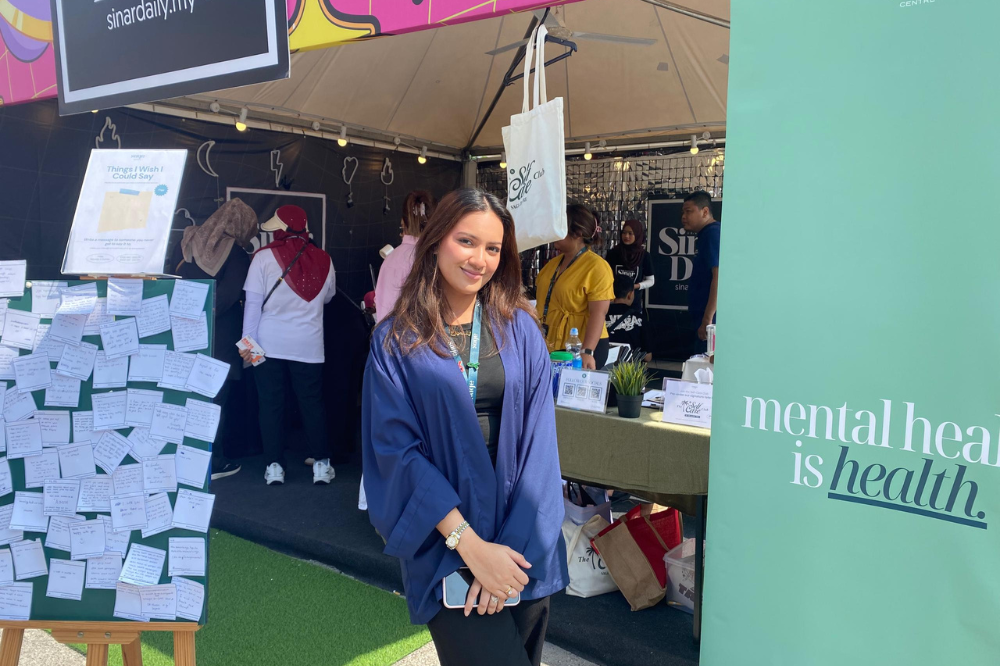
Yasmin stressed that these spaces served as emotional havens for people who felt lost, providing an outlet to express their inner struggles.
She also highlighted that the Sage Centre was one such place, open to everyone. Their booth at the carnival became a temporary support hub, helping validate people’s emotions, something not commonly found in public spaces.
The Karnival Siang dan Malam Karangkraf 2025, held from July 25-27 at Karangkraf, attracted over 200,000 visitors across three days. Running from 9 am to midnight, the carnival featured diverse activities catering to all age groups.
School students were given a stage to showcase their talents through competitions in dikir barat, traditional dance, marching drills, choral speaking, robotics, choir singing, and recycled fashion. Other highlights included street sports tournaments, busking, fitness classes, communal cooking (rewang), and night parades.
Attractions like a haunted house, go-kart rides, fun fair games, and the Saloma Market added to the vibrant atmosphere.
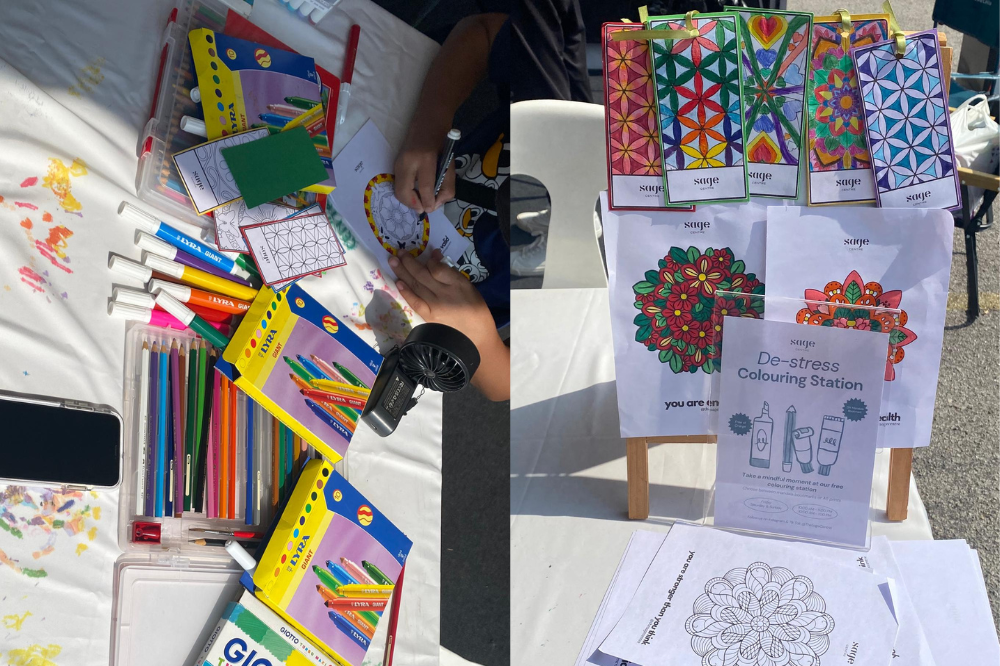
For the entire duration of the carnival, the Sage Centre operated a mental health booth offering screening services and interactive activities such as colouring, therapy-based confession sessions, and quiet self-expression zones.
“Our focus was on mental health. We hosted confession sessions combining screening tools with input from clinical psychologists and counsellors.
“There was also a colouring area for children, and for those hesitant to talk, we encouraged them to write down their feelings and post them anonymously,” Yasmin said.
She noted that while the first day saw more young visitors, which made deeper engagement more challenging, the following days brought in more adults.
“Some people were visibly emotional. We even had to keep tissue boxes ready,” she added.
Over the three days, 33 individuals from Karangkraf participated in mental health screenings. Among them, 20 adults completed the DASS-21 (Depression, Anxiety, and Stress Scales), and 13 adolescents under 18 took the PHQ-9 (Patient Health Questionnaire), both standard clinical tools for assessing emotional wellbeing.

Findings revealed that depression and stress were the most commonly reported issues, often mislabelled as just “being tired” or “a bit down.” Anxiety also emerged as a frequent concern.
Among adults, many showed moderate to severe symptoms of depression and anxiety, with nearly half also reporting high stress levels.
A few individuals recorded elevated scores in all three areas, indicating emotional burnout or the potential onset of clinical conditions such as generalised anxiety disorder (GAD) or major depressive disorder (MDD). Only one adult’s screening showed results within the normal range.
Among adolescents, most scored in the mild to moderate range, but several showed early signs of emotional dysregulation, suggesting that early intervention could help develop coping strategies and emotional resilience.
“Many came willingly, which was encouraging. But the stigma still runs deep. There’s still this idea that mental health issues mean you’re ‘crazy’ or weak. That’s exactly why we keep coming back, to chip away at that stigma year after year,” Yasmin said.
She also stressed the importance of consistent awareness efforts, noting that as people become more familiar with mental health, it gradually loses its stigma and becomes easier to understand and accept within the community.
In addition to the Sage Centre, the mental health initiative at the carnival was supported by Hospital Al-Sultan Abdullah (HASA) UiTM Puncak Alam, which operated booths on Saturday and Sunday.
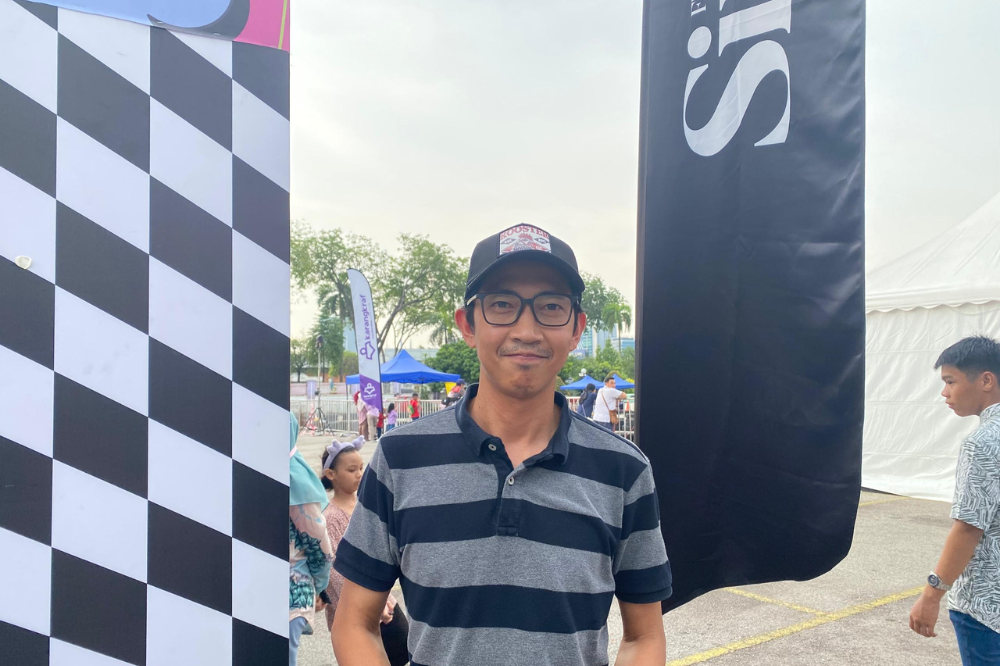
Mind Matters Specialist Centre Consultant psychiatrist Dr Fitri Zainuddin stated that his team offered free mental health screenings and hosted word search competitions for children, with small prizes as incentives.
“We had a strong turnout. Many not only asked questions but went through the screenings as well. Some of the results weren’t encouraging, so we also provided brief consultations on the spot,” he said.
Dr Fitri stressed that mental health deserved equal attention to physical health.
“When we’re physically unwell, it’s visible, but mental health issues often aren’t. Someone can smile while silently suffering,” he added.
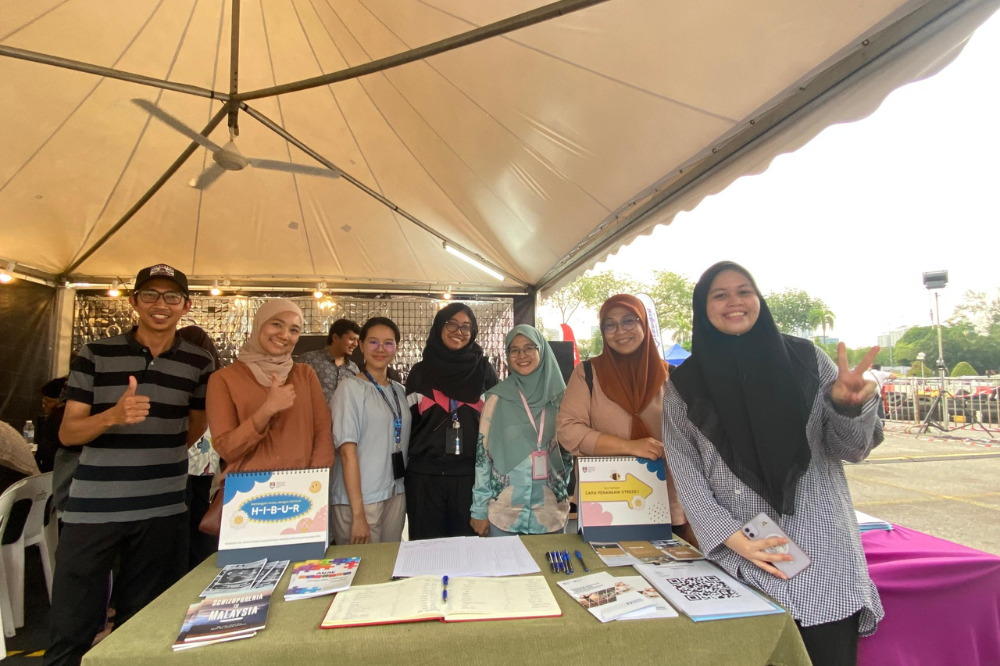
He shared that visitors of all ages, children, teens, adults, and the elderly, took part in the screenings. Common issues were related to work stress, academic pressure, and family conflict.
“If anyone is experiencing moderate to severe mental health concerns, they should not hesitate to visit a public or private clinic or hospital. Help is available,” he advised.
He also noted that mental health screenings are available at both public and private clinics or hospitals, and expressed hope that the community would begin to move past the stigma and feel more comfortable seeking the support they need.
Download Sinar Daily application.Click Here!