The iPhone 17 is almost here, but for Malaysians, does aspiration outrun affordability?
By global affordability standards, a phone that eats up more than one month’s pay is considered unaffordable.


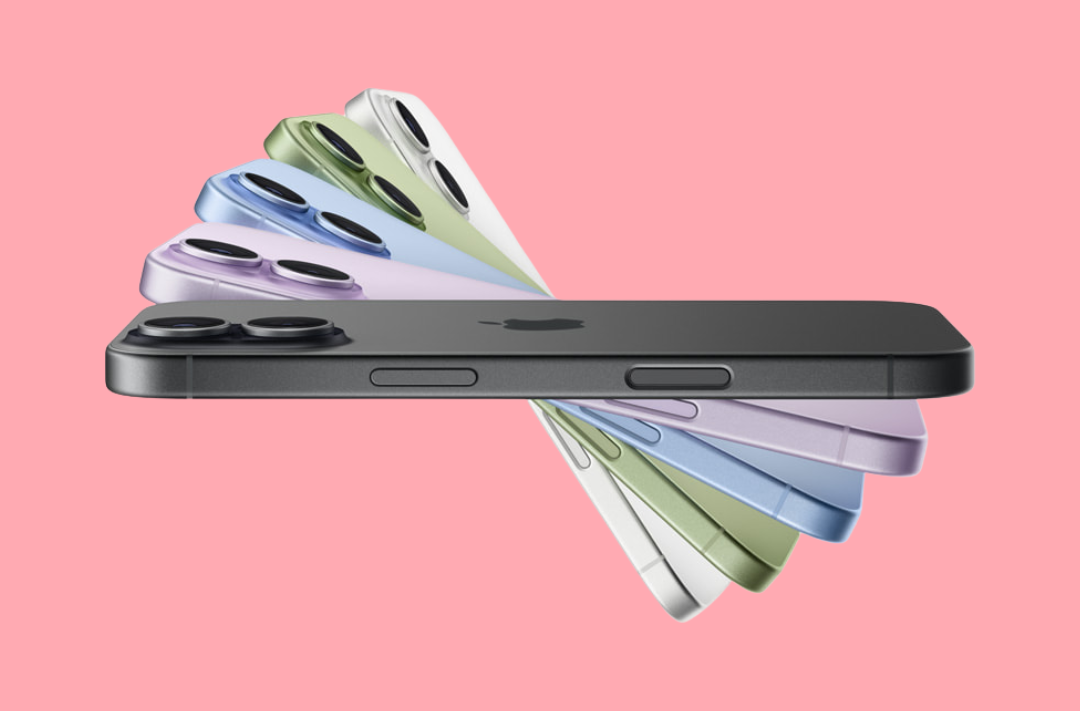
Apple has done it again. They’ve reinvented desire in a rectangle. Every September, Apple doesn’t just launch a product; it turns a release into a global cultural event.
All eyes are on the new iPhone 17 lineup, but with that also comes the collective sigh: “Wah, mahal gila.”
The iPhone 17 lineup doesn’t come cheap. The entry-level iPhone 17 starts at RM3,999, while the iPhone 17 Pro begins at RM5,499 and the Pro Max at RM5,999.
Apple’s new showpiece, the iPhone 17 Air, is priced at RM4,999 for the 256GB model. And for those chasing the ultimate flex? The iPhone 17 Pro Max with 2TB storage lands at a staggering RM9,999.
But here’s a reality check: with Malaysia’s median monthly salary as of February 2025 hovering at RM3,000, even the so-called “starter” iPhone 17 at RM3,999 demands more than a month’s pay.
By global affordability standards, a phone that eats up more than one month’s pay is considered unaffordable.
That places it in the same affordability bracket as Malaysia’s housing crisis, except houses last decades, while an iPhone survives maybe five years before being upstaged by its slimmer, flashier younger cousin.
This is the paradox: Malaysians are feeling the squeeze everywhere. Groceries cost more each week, electricity bills keep climbing and housing loans remain as heavy as ever.
But then telco companies cushion the blow with 36-month instalments, turning a RM9,999 dent into something that looks almost bite-sized at RM400 a month.
It’s financial sleight of hand, but it works, making a luxury item feel like just another bill slotted neatly alongside your gym and Netflix subscriptions.
Apple knows this game. It doesn’t just sell tech; it sells aspiration. Which is why we’ll still see long lines outside Apple stores every time a new phone drops.
Does the price justify the functionality? Well, WhatsApp messages, Shopee orders and Grab rides don’t arrive faster just because they’re sent from an iPhone 17.
However, the phones are undeniably stunning.
All four models - the iPhone 17, iPhone 17 Pro, iPhone 17 Pro Max and iPhone Air, feature Apple’s new N1 wireless networking chip and a fresh 18-megapixel selfie camera. Powering them is the A19 chip, built on a 3nm architecture, paired with iOS 26’s Adaptive Power Mode for excellent battery endurance.
The 48MP Dual Fusion camera system redefines mobile photography, while the A19 chip and N1 connectivity future-proof the device. In pure functionality, it’s a powerhouse.
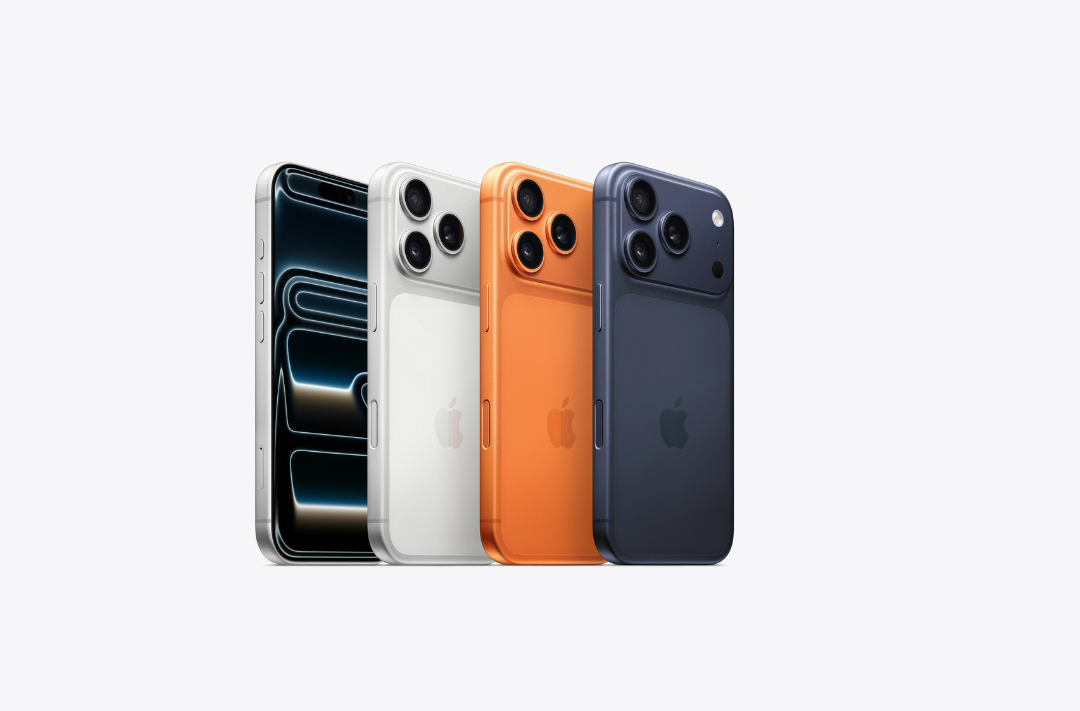
It even debuts in new colours, including a striking burnt orange, which is a shade Swifties will instantly link to Taylor Swift’s latest album era.
The all-new iPhone Air measures just 5.6mm and weighs 165g, making it the thinnest iPhone yet. Despite its slim profile, it carries a 6.5-inch display and runs on the powerful A19 Pro chip.
Whether or not you’ll be upgrading to the iPhone 17, the decision sits squarely with you. Some will swipe their cards without blinking, others will roll their eyes and swear their trusty older models still “do the job.”
But Apple has engineered the ritual so well that abstaining feels almost as much a choice as buying.
When technology outpaces our paychecks, it doesn’t just test what we can buy, it tests what we’re willing to reach for.
The iPhone 17 will be released in Malaysia on Sept 19.
Download Sinar Daily application.Click Here!


