6 things you should know about plantar fasciitis
If your first steps in the morning feel like stepping on Lego or walking on broken dreams, you might be in a toxic relationship… with your feet.
NUR ADNIN MAHALIM

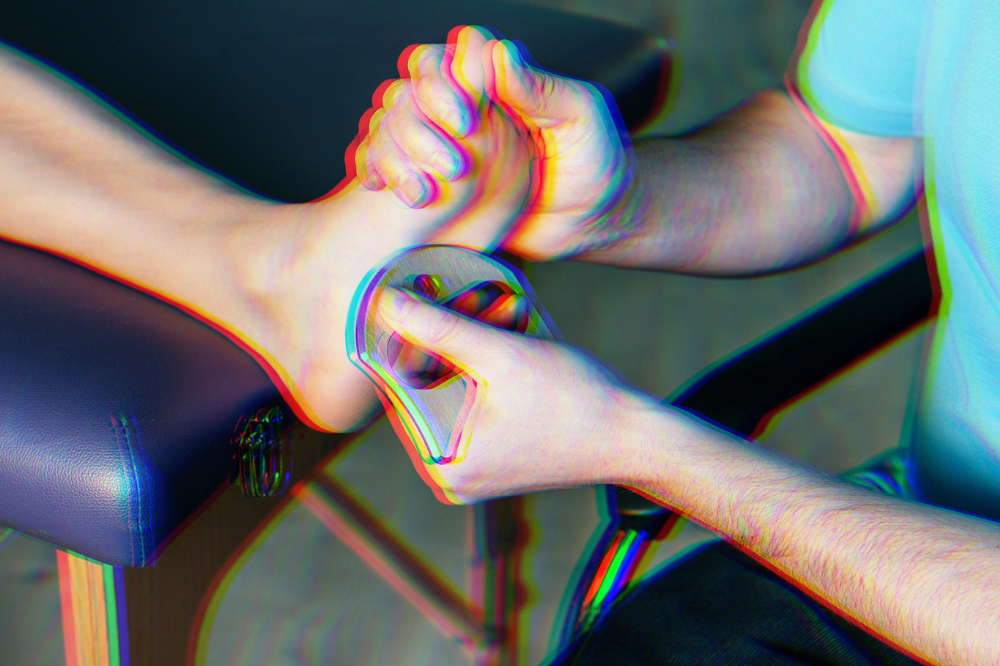
IF your first steps in the morning feel like stepping on Lego or walking on broken dreams, you might be in a toxic relationship… with your feet.
Let’s talk about plantar fasciitis; what it is, why it hurts so bad and how to finally dump the pain for good.
1. What exactly is Plantar Fasciitis?
Plantar fasciitis (say it with us: fashee-EYE-tiss) is one of the most common reasons people feel sharp pain at the bottom of their heel.
It happens when the plantar fascia, a tough, stretchy band of tissue connecting your heel bone to your toes, gets irritated or inflamed.
Think of it like your foot’s built-in shock absorber. Every time you walk, run or stand, this band handles a ton of stress.
Over time, all that pressure can cause tiny tears that trigger major heel pain. It’s a pretty common issue about two million people get treated for it every year.
2. Why does it hurt so much?
The short answer: inflammation. The long answer: everything you do with your feet adds up.
You might have recently started a workout routine, gained weight, worn the wrong shoes or just spent too much time standing.
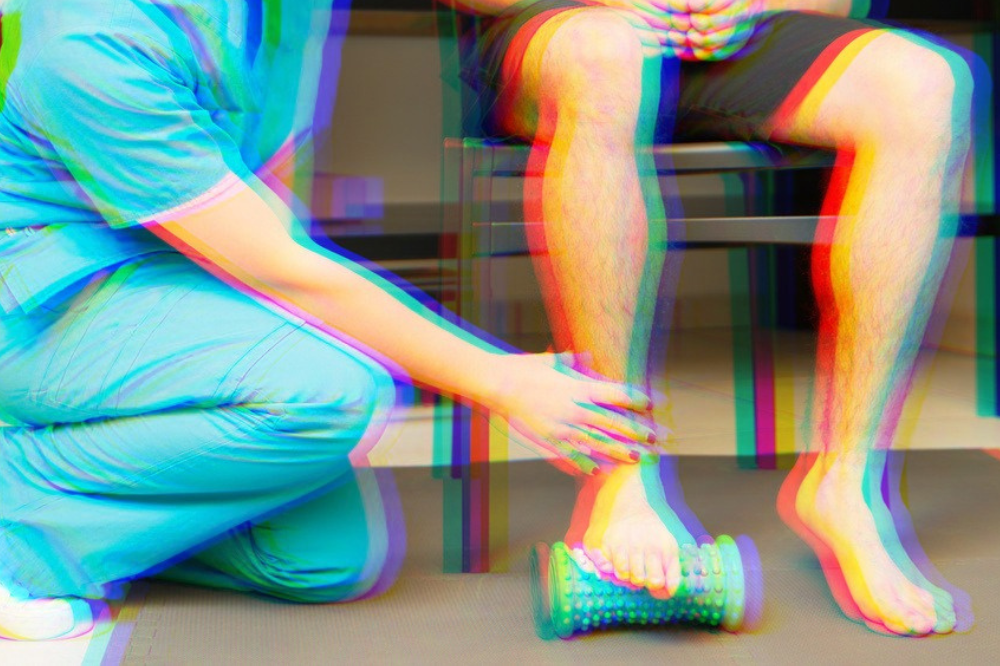
Other sneaky culprits? Flat feet, high arches or even medical conditions like lupus and rheumatoid arthritis.
In most cases, though, plantar fasciitis is not serious but it is annoying. The good news?
Most people recover within a year, even without aggressive treatment.
3. The real spot behind the pain
That sharp sting you feel actually coming from where your plantar fascia connects to your heel bone (a.k.a. the calcaneus).
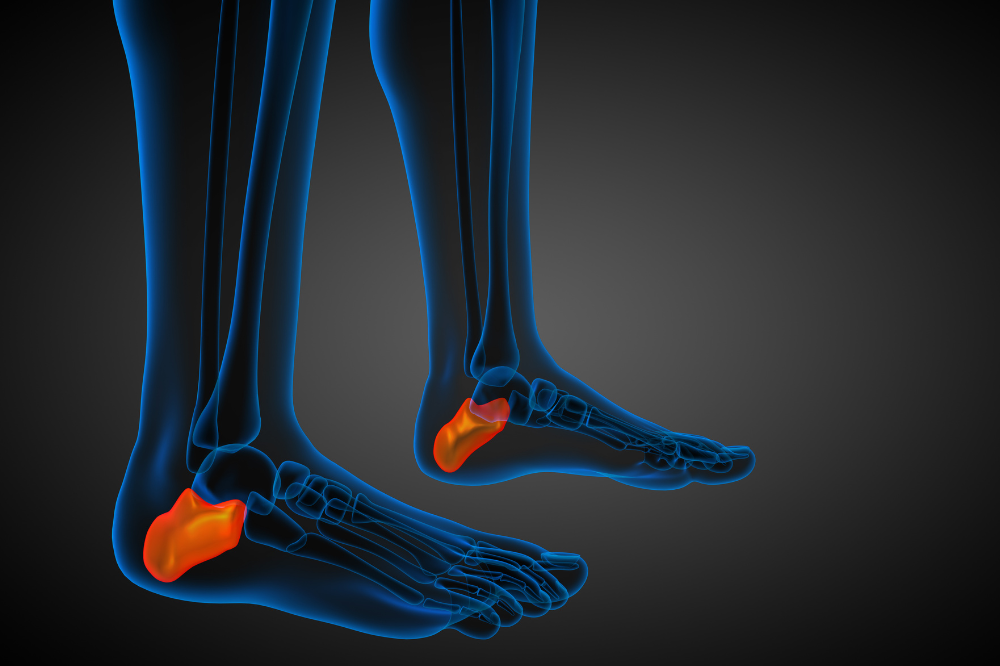
But don’t blame heel spurs because those tiny bone bumps often get wrongly accused.
According to specialists, “Heel spurs often don’t cause any pain. A truly enlarged and problematic spur requiring surgery is rare.”
So yeah, your pain is not from bone spikes. It’s your fascia crying for a break.
4. Symptoms: When every step feels like a punishment
If you have got plantar fasciitis, you will know it by these tell-tale signs:
- Morning heel pain: The first few steps after you get out of bed feel like walking on glass.
- After-rest pain: It flares up after sitting too long or driving.
- Activity pain: It hurts after exercise, not during.
- Barefoot blues: Walking without shoes or with flat, unsupportive soles makes it worse.
That “first-step pain” is the classic symptom and probably why mornings suddenly feel like a horror movie.
5. How to fix it, without crying every morning
Recovery is all about patience, stretching and smarter habits.
- Stretch it out: Focus on the plantar fascia and Achilles tendon. A physiotherapist can show you simple exercises to do several times a day.
- Ice it: Roll a frozen water bottle under your foot for 10–15 minutes to reduce inflammation.
- Rest and modify: Take a break from high-impact activities. Try swimming or cycling instead of running.
- Get support: Choose cushioned shoes with arch support. Heel cups or orthotic insoles can help too.
- Night splints: These keep your foot stretched while you sleep, less pain when you wake up.
- Shock wave therapy: For stubborn cases, doctors might use this to trigger healing in your fascia.
- Steroid injections: If pain still refuses to chill, your doctor might suggest this to calm the inflammation.
Surgery is only a last resort, usually for those with tight calf muscles called an equinus contracture.
6. Best shoes and exercises for long-term relief
If you want to stay pain-free, choose shoes with solid arch support, shock-absorbing soles and a slightly raised heel. Avoid thin, flat footwear because they make your fascia work overtime.
As for exercises, stick with:
- Gentle toe stretches
- Calf raises
- Towel curls (grab a towel with your toes)
- Low-impact workouts like cycling or swimming
Your feet deserve some tender, loving and care after all, because they literally carry you everywhere.
Download Sinar Daily application.Click Here!


