10 video games where violence is the reward parents need to discuss now
You thought "just a game" meant harmless? Many titles have their own personal functions and elements that demand scrutiny.
NUR ADNIN MAHALIM
SHAH ALAM – In a world where game consoles and tablets are everywhere, parents are facing a new kind of challenge and it's not just about screen time; it's about screen content.
Many popular games today do more than entertain; they shape behaviours, emotions and attitudes, sometimes without anyone realising it.
You thought "just a game" meant harmless? Many titles have their own personal functions and elements that demand scrutiny.
Let's discuss 10 online games your child might already be playing—the kind that deserve attention, not silence.
1. Grand Theft Auto V (GTA V) - Rating 18+
In this open-world sandbox, players steal cars, drive over pedestrians, shoot at police and explore criminal underworlds. The game rewards aggression and teaches: "If you want to win, break the rules.” Kids who play adult-rated titles may start to see risky or violent behavior as "normal."

2. PUBG / Free Fire - Rating 16+
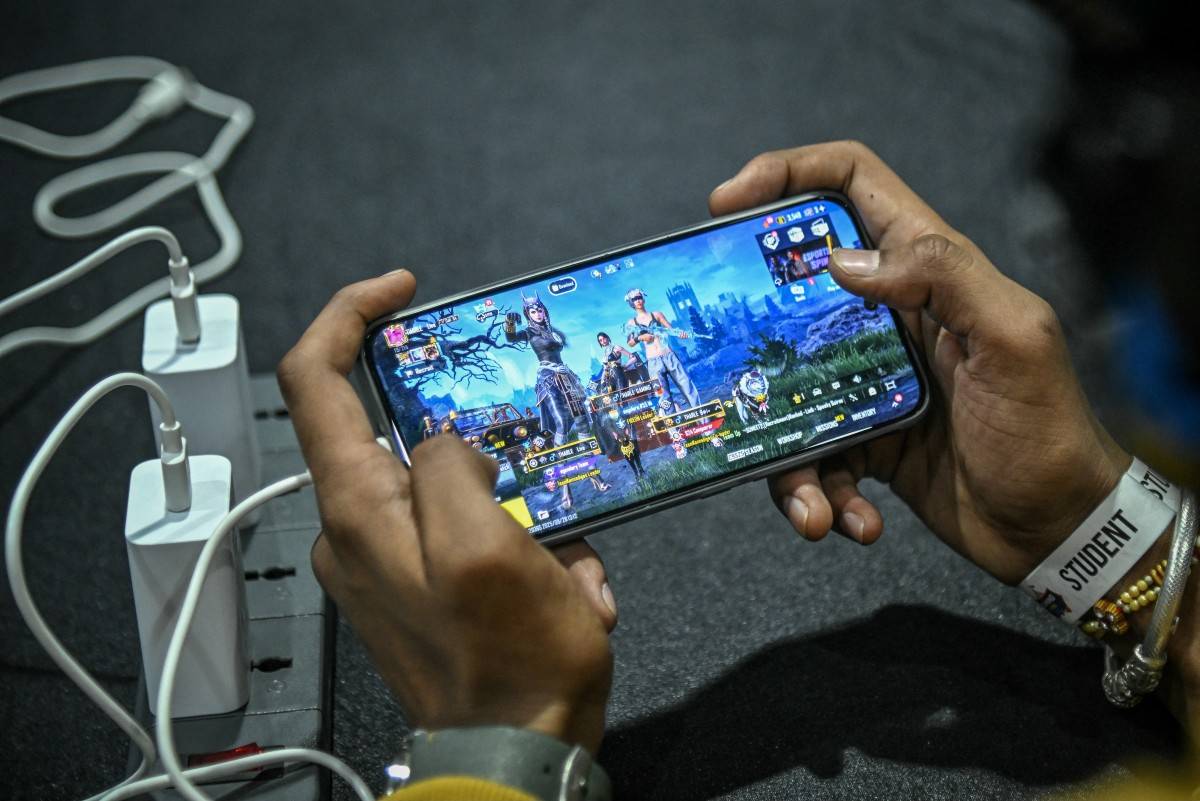
A hundred enter, one survives. To win, you must eliminate everyone else. Over time, frequent kills can become normalised and victory means violence. Beyond gameplay, chatrooms and team talk can introduce pressure, bullying and desensitisation.
3. Mortal Kombat 11 - Rating 18+
This game is famous for "fatalities"—ultra-realistic decapitations, bone-crushing fights and blood-splattering visuals. Many under-13s are already playing it. Exposure to graphic violence can blur the line between play and reality, especially for young teens.

4. Manhunt - Rating 18+ (Banned in multiple countries)
Players perform stealthy, brutal executions, earning points for creativity in killing. This game has been banned in multiple countries like Australia, Germany, New Zealand and Malaysia due to extreme and sadistic violence. Games like this normalise cruelty, turning violence into an achievement.
5. Yandere Simulator - Rating 18+
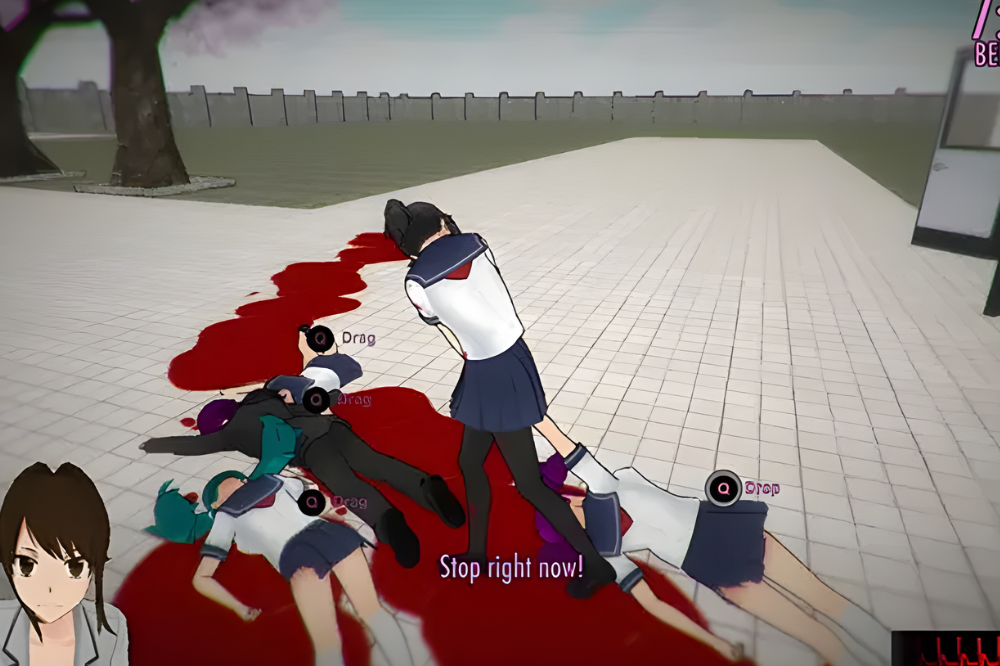
You play a high school girl who kills classmates out of love, hides the evidence and then carries on as if nothing happened. This game dangerously normalises obsession and revenge as “romantic” or “cool.” While not officially banned by most governments, it was banned in 2016 by the streaming platform Twitch due to its violent and mature themes.
6. Resident Evil / The Last of Us - Rating 18+
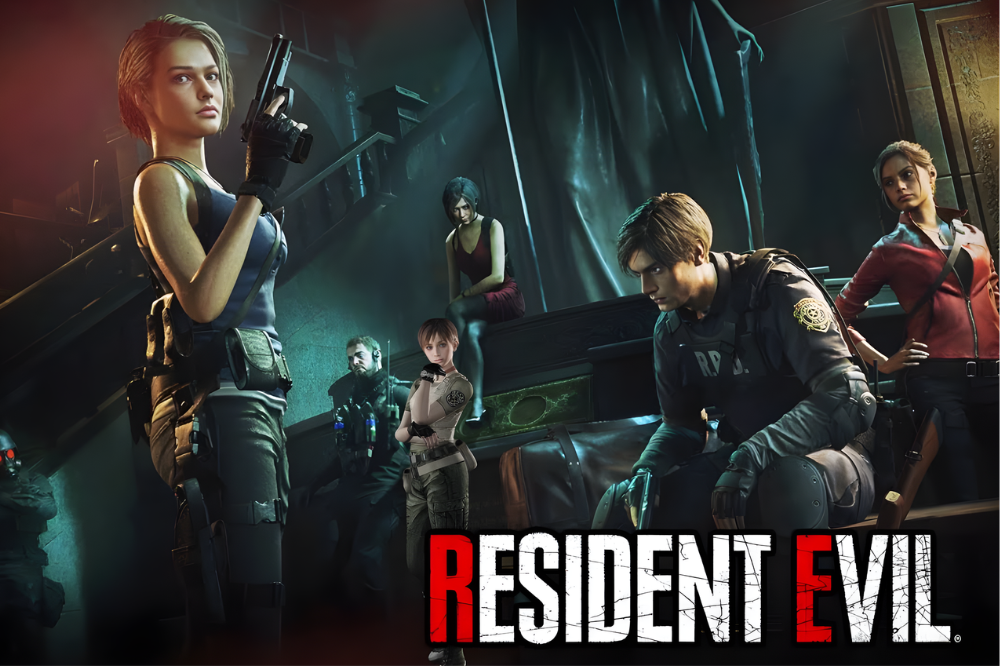
Zombie headshots, gore and constant tension—these survival horror games are cinematic but emotionally heavy. Studies show children repeatedly exposed to violent imagery can develop reduced empathy. These games can help children recognise emotions, but the gore requires careful parental oversight.
7. Doom Eternal - Rating 18+
No story, no mercy. The goal is simply to eliminate everything that moves. It is fast-paced, loud and adrenaline-charged. Studies link excessive first-person shooter play with irritability and aggression. Teens still learning impulse control may absorb that aggression subconsciously.
8. Tetris Effect (VR Mode) - Rating 13+
It looks harmless, but long sessions can trigger “Game Transfer Phenomenon,” where players still see falling blocks even when they aren't playing. Even non-violent games can disrupt focus and sleep when played obsessively. The 13+ rating is often due to concerns about the potential physiological effects of VR technology on young, developing users, such as eye strain or motion sickness, not content.
9. Postal - Rating 18+
The game allows players the freedom to do "anything," such as burn schools, urinate on bodies and attack civilians. It is violence without moral limits. There is a clear difference between dark humour and total emotional detachment. It has been banned in several countries, including Germany, Malaysia and Australia, due to its extreme and offensive content.
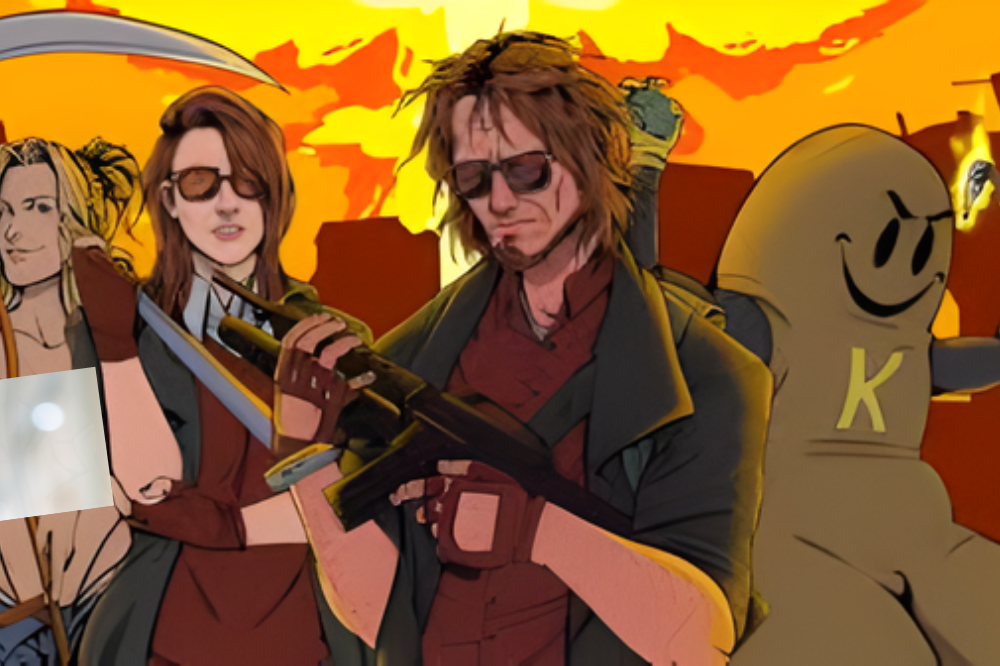
10. Hatred - Rating 18+
The objective of the game is simply to kill all humans. There is no story, no morality and no redemption. Developers have even called it a "genocide simulator." Many psychologists rank it among the highest risks for teenage minds because it replaces empathy with emptiness—and that is the real danger.
Why Parents Should Pay Attention
Screen time is one thing, but screen content is another. Research shows that exposure to violent games may increase the risk of becoming desensitised to real-life violence.
The term “just a game” doesn’t cover the emotional and behavioural lessons that sneak in.
Parents, you are not born too late. You are not clueless. You just need to ask: What is in the game, who are they playing with and what are they learning?
Download Sinar Daily application.Click Here!