Sudan war: Inside the fall of el-Fasher and a nation on the brink
What began as a struggle for control of a nation has become a fight for survival for its people.


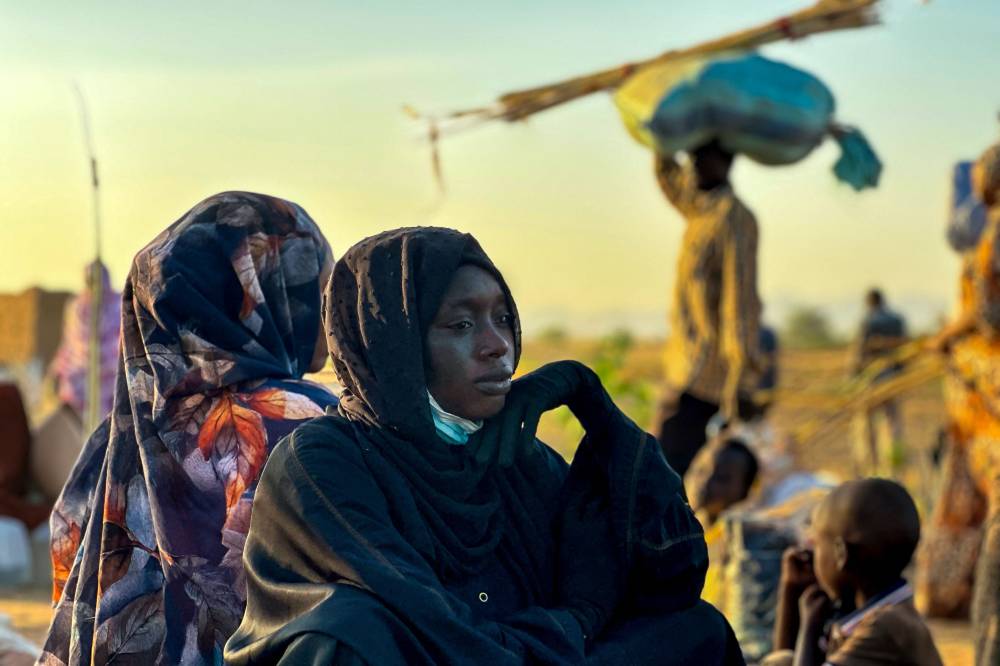
SHAH ALAM – For more than two years, Sudan has been torn apart by a civil war that has devastated its cities, displaced millions and pushed an already fragile nation to the edge of famine.
The conflict, which began in April 2023, was now entering its most perilous phase, marked by the fall of el-Fasher, a city once seen as a last bastion of resistance in the war-scarred region of Darfur.
El-Fasher’s collapse after an 18-month siege has not only shifted the balance of power but also unleashed one of the deadliest episodes of violence in the conflict.
Witnesses described scenes of terror where mass executions, starvation and entire neighbourhoods left in ruins.
The Rapid Support Forces (RSF), a paramilitary group with roots in the notorious Janjaweed militia, now controls nearly all of Darfur, while the Sudanese Armed Forces (SAF) cling to power in the east.
The city that fell after 18 months of siege
The siege of El-Fasher was brutal and methodical. For more than a year, the RSF encircled the city, blocking food, medicine and humanitarian aid.
Civilians were trapped inside, forced to survive on animal feed as supplies dwindled. Satellite images later revealed vast clusters of graves and bloodstained terrain, confirming accounts of widespread killings.
By the time the RSF seized El-Fasher, thousands had been killed.
Hospitals were targeted, medical staff detained or executed and residents fleeing the city were reportedly shot in the streets. The United Nations Human Rights Office said the pattern of violence appeared to have ethnic motivations, as fighters singled out members of non-Arab communities for attack.
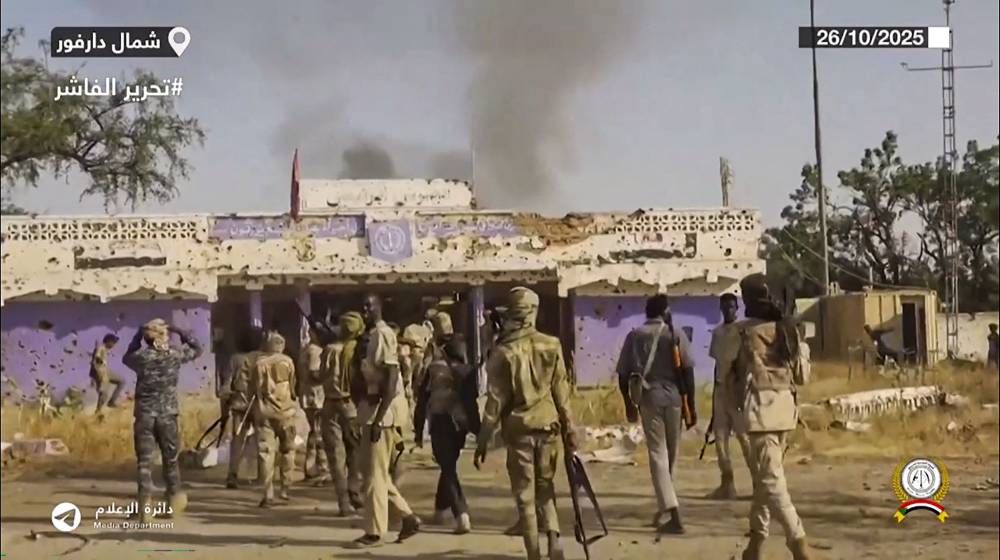
Neighbouring towns such as Bara in North Kordofan also fell to the RSF in late October, with reports of assaults on civilians and aid workers. The takeover of El-Fasher, the last major urban centre held by the army in Darfur, effectively partitions Sudan into two, an RSF-controlled west and a SAF-controlled east.
A conflict born from rival generals
At the heart of Sudan’s suffering lies a bitter struggle between two men: General Abdel Fattah al-Burhan, the army chief and de facto head of state and General Mohamed Hamdan “Hemedti” Dagalo, commander of the RSF. Once allies who jointly overthrew long-time dictator Omar al-Bashir in 2019, the pair turned against each other over plans to merge the RSF into the army and return the country to civilian rule.
Fighting erupted in April 2023 when tensions between the two forces boiled over in Khartoum. What began as a political dispute quickly spiralled into a nationwide war, one that has killed tens of thousands and displaced around 12 million people, according to United Nations estimates.
Genocide fears and worsening atrocities
Darfur has once again become synonymous with mass killings.
Survivors and human rights organisations accuse the RSF and allied militias of ethnic cleansing against non-Arab groups, particularly the Massalit community. The United States (US) has determined that acts of genocide have been committed in Darfur, citing evidence of systematic murders, rape and the deliberate targeting of civilians based on ethnicity.
"The RSF and allied militias have systematically murdered men and boys, even infants, on an ethnic basis," said then-US Secretary of State Antony Blinken earlier this year according to BBC News, adding that women and girls were also subjected to "brutal sexual violence."
The RSF denies these accusations, calling the violence "tribal conflict", but international observers described a pattern of deliberate and coordinated attacks aimed at reshaping Darfur’s ethnic composition.
Famine and the collapse of a nation
Beyond the front lines, Sudan faces a humanitarian catastrophe of staggering proportions. The conflict has crippled the economy and obliterated public infrastructure. State revenues have fallen by 80 per cent and the health system is in ruins, more than 80 per cent of hospitals in conflict zones are non-operational.
The United Nations and aid agencies warned that over 24 million people were facing acute food insecurity, with at least 635,000 living in famine conditions. Entire communities were starving as food convoys were blocked or looted. Children suffered from malnutrition and disease, while outbreaks of cholera and malaria continued to spread unchecked.
Gender-based violence has also reached alarming levels. Reports of rape, sexual exploitation and trafficking were widespread, with women and girls among the most vulnerable. In many areas, survivors have little to no access to medical or psychological support.
Diplomatic efforts to end the conflict have repeatedly failed.
Peace talks hosted by Saudi Arabia, the US and the African Union have collapsed amid mutual distrust and continued fighting.
The latest initiative, proposed in September by the so-called "Quad" Saudi Arabia, the US, Egypt and the United Arab Emirates (UAE), called for a humanitarian truce followed by a transition to civilian rule. But soon after, El-Fasher fell and with it, the fragile hope of a ceasefire.
General Burhan accused the international community of inaction, while General Dagalo claimed his goal was to "unify Sudan under true democracy."
Yet both sides continued to prioritise power over peace, leaving civilians to bear the consequences.
The forgotten war
Sudan’s war has become one of the world’s most underreported tragedies.
The scale of human suffering, mass killings, famine, displacement and disease, has outstripped humanitarian capacity, with aid workers themselves increasingly targeted. What began as a struggle for control of a nation has become a fight for survival for its people.
With millions displaced, tens of thousands dead and famine tightening its grip, Sudan stands on the edge of a humanitarian abyss and the world is only just beginning to look its way.
Download Sinar Daily application.Click Here!