Civil society urges firm separation of Attorney General and Public Prosecutor to restore rule of law
Legal reform must go beyond formality and deliver justice that is both seen and felt by the people.


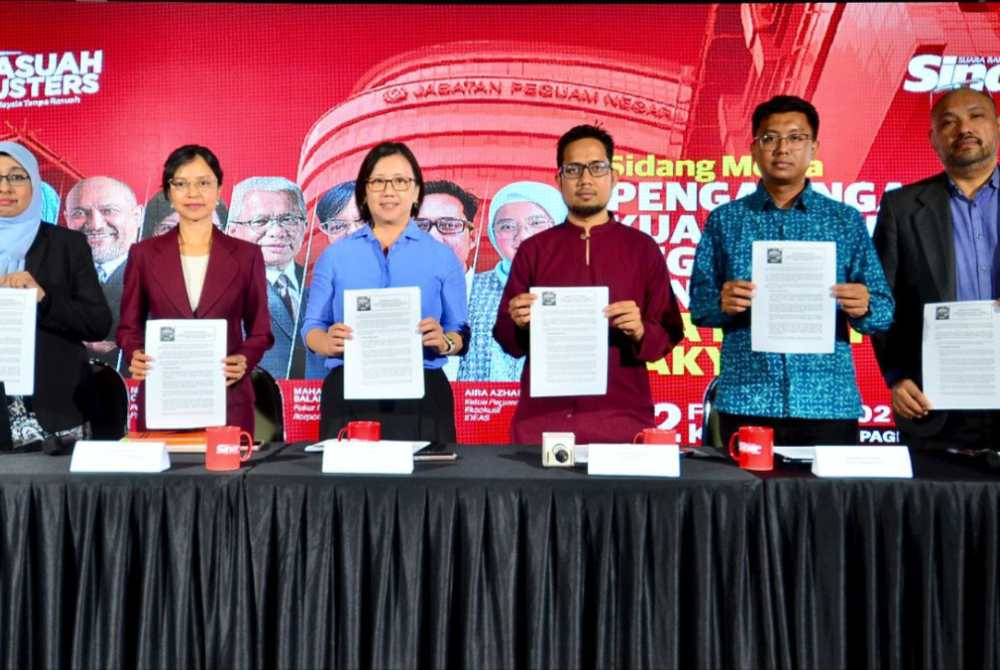
SHAH ALAM – Malaysia is urged to move decisively towards separating the powers of the Attorney General and the Public Prosecutor to restore public trust, end perceptions of selective prosecution and strengthen the rule of law.
The call was made during a media conference titled ‘Pengasingan Kuasa Peguam Negara dan Pendakwa Raya: Apa Harapan Rakyat? organised by Rasuah Busters where panellists stressed that legal reform must go beyond formality and deliver justice that is both seen and felt by the people.
Rule of law under strain
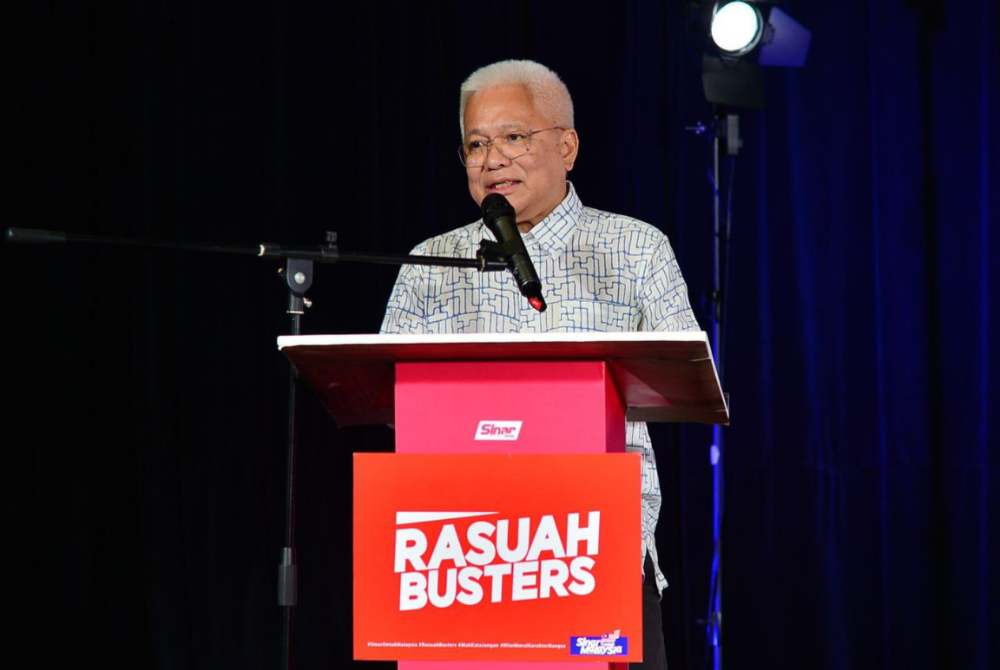
Rasuah Busters chief Datuk Hussamuddin Yaacub said Malaysia risked losing its moral compass when the law appeared decorative rather than decisive, allowing power and influence to override public interest.
“Anyone who breaks the law must be brought before the courts without compromise. There must be no perception of selective prosecution,” he said during the panel discussion held at Karangkraf Media Headquarters here today.
Hussamuddin said separating prosecutorial authority from political influence is essential to restoring national harmony, political stability and economic confidence.
He urged both the Government and the Opposition to take civil society input seriously, warning that the opportunity for genuine reform was rare and would form a lasting legacy for future generations.
Ending political interference in prosecutions
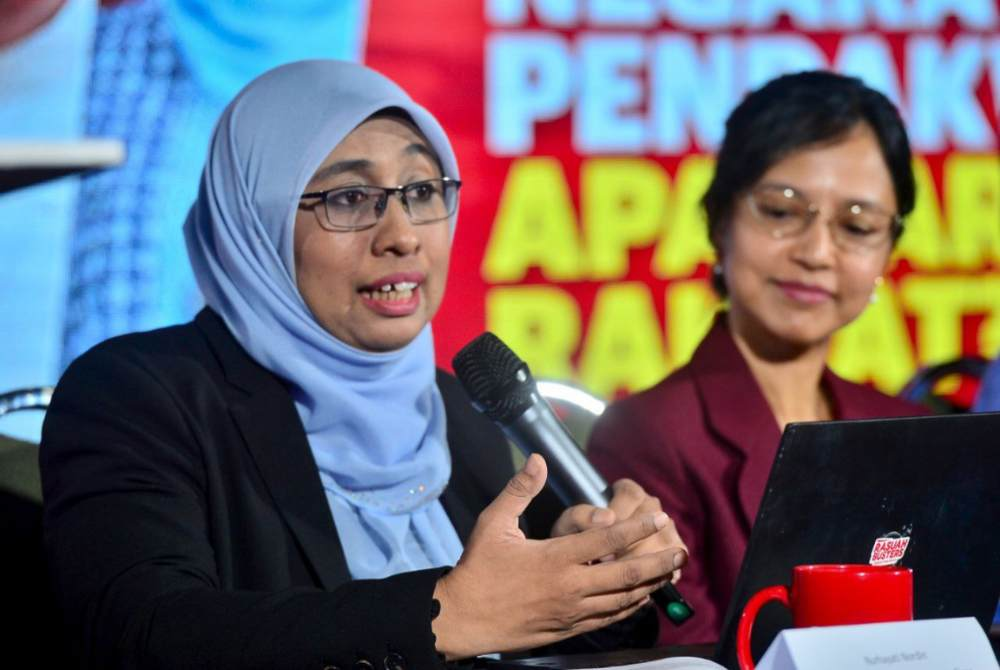
Meanwhile, Rasuah Busters chief executive officer (CEO) Nurhayati Nordin said separating the two roles was necessary to eliminate political interference, conflicts of interest and public suspicion surrounding prosecutorial decisions.
“The Public Prosecutor must not serve the government of the day. They must serve the Constitution and justice.
“An autonomous Public Prosecutor, balanced with parliamentary oversight, not interference in individual cases, is the healthy accountability model we need in a democracy,” she said.
She proposed the establishment of an independent Prosecution Service Commission, tasked with appointments, promotions and discipline, to ensure professionalism and transparency.
Nurhayati added that clear tenure, tribunal-based removal mechanisms and a refined role for the Attorney General as the Government’s legal adviser would protect integrity while breaking entrenched traditions that enabled systemic corruption.
Learning from past abuses
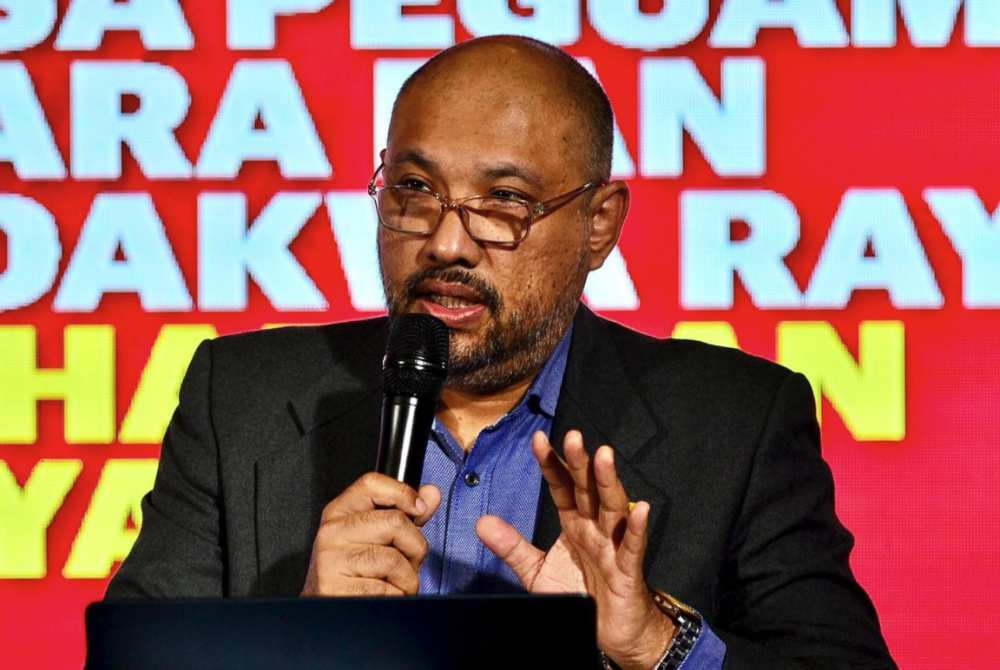
C4 Centre chief executive officer Pushpan Murugiah echoed the sentiment, stressing how the current framework grants the Attorney General near-absolute discretion to initiate or halt prosecutions, creating serious risks of executive interference.
“An institution of prosecution must serve the public interest, not political power,” he said, citing past instances where Attorneys General were removed amid politically sensitive investigations.
Pushpan also warned against proposals to extend Deferred Prosecution Agreements (DPAs) to individuals.
“If the Public Prosecutor is not independent, this opens the door for political allies to escape accountability.
“That is precisely why separation is non-negotiable,” he said.
Pushpan stressed that an independent Public Prosecutor must be shielded from executive control to prevent politically connected individuals from escaping accountability.
Balancing independence with accountability
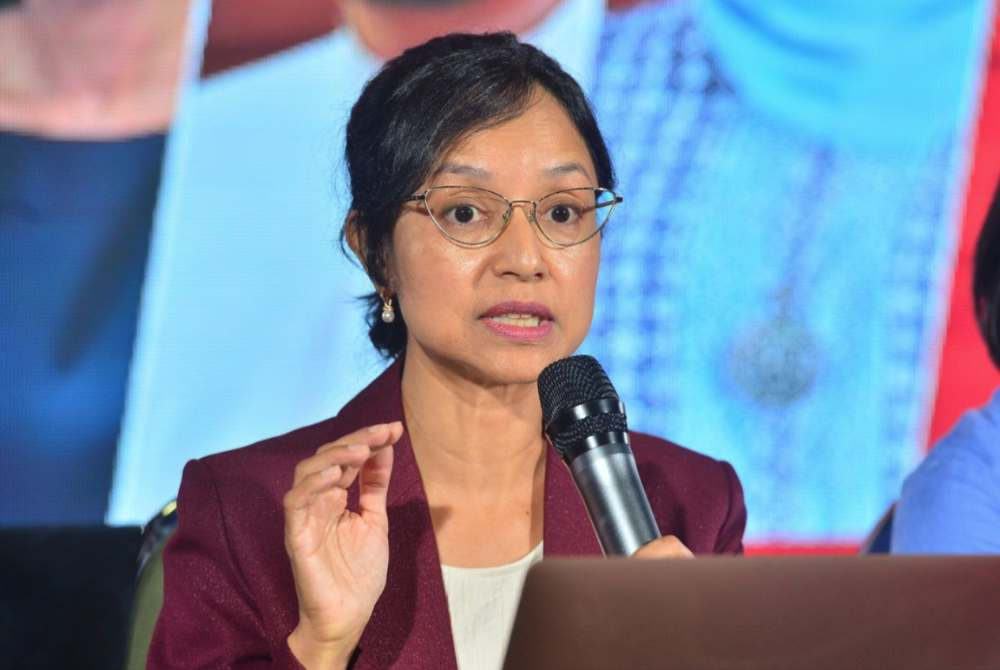
Constitutional democracy expert Maha Balakrishnan stressed that while the new Public Prosecutor must be independent, safeguards are needed to prevent abuse of power.
“This role concentrates enormous authority on one unelected individual. That power must be balanced with transparency and accountability,” she added.
She proposed statutory publication of prosecution guidelines, annual reporting to Parliament and mandatory appearances before parliamentary select committees.
“Oversight must never extend to directing prosecutions or stopping cases,” she clarified, recommending that the relevant parliamentary committee be chaired by an opposition MP to strengthen credibility.
Clearly defining roles
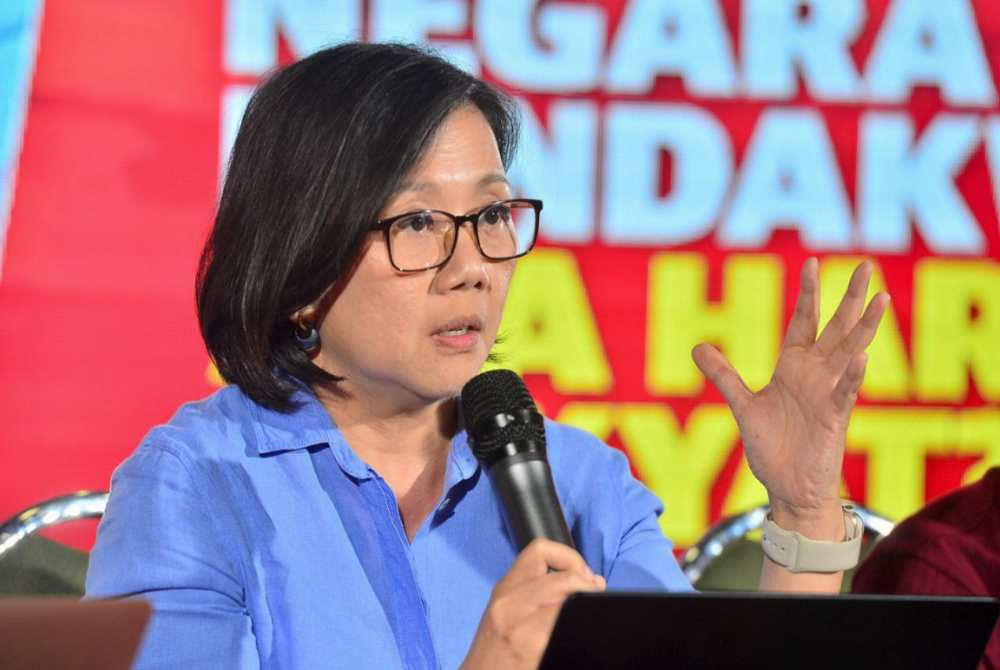
Project Sama organiser Ngeow Chow Ying said the proposed Public Prosecutor would hold full constitutional authority over criminal prosecutions under federal and state law, excluding Syariah, native and military courts, and would operate independently from the Attorney General.
“Consultation with the Attorney General should be limited strictly to exceptional cases involving national security.
“Even then, advice must be in writing and not binding,” she said.
This, she added, would ensure transparency while preserving prosecutorial autonomy.
Redefining the Attorney General’s role
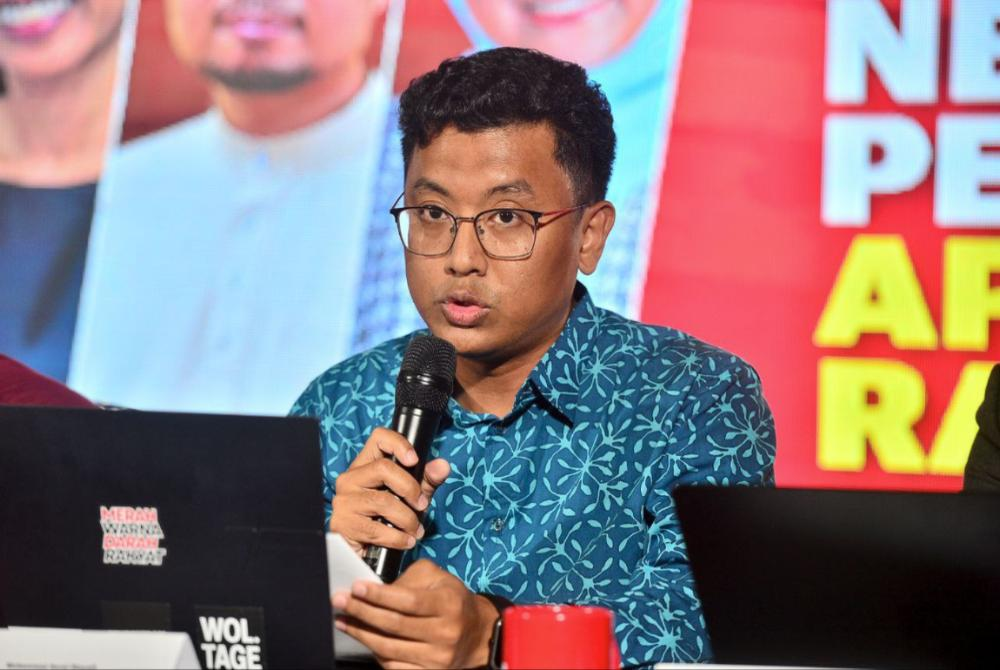
Bersih executive director Mohammad Asraf Sharafi outlined that after separation, the Attorney General would remain the government’s legal adviser and representative in non-criminal matters.
“Any involvement in prosecutions must be narrowly defined, exceptional and transparent,” he said, adding that parliamentary oversight mechanisms should apply equally to the Attorney General.
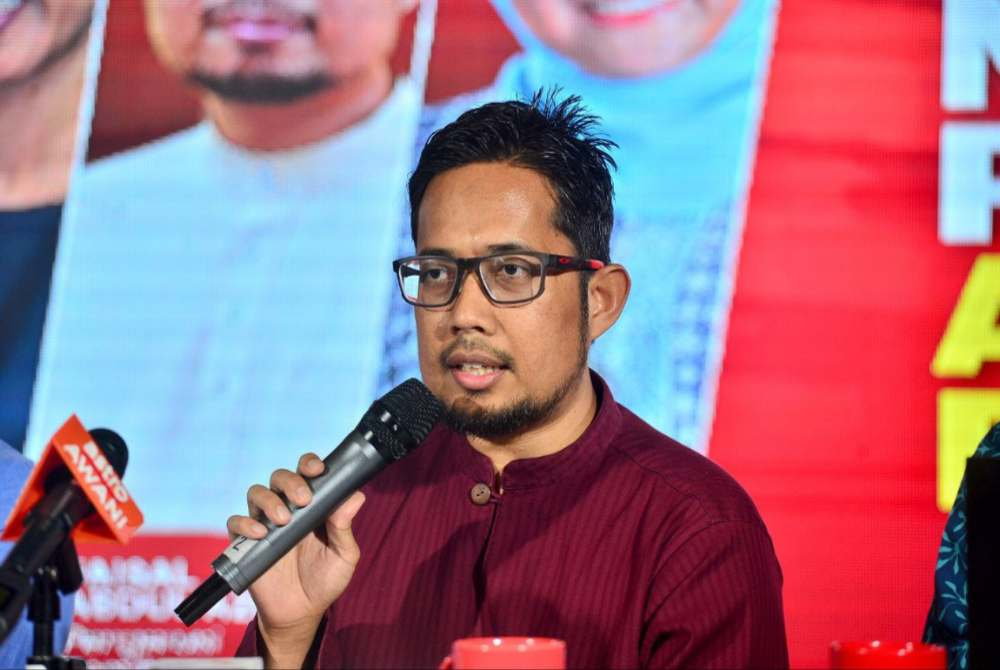
Bersih chairman Faizal Abdul Aziz further proposed that the Public Prosecutor be appointed by the Yang di-Pertuan Agong based on recommendations from an independent commission and a parliamentary select committee, without advice from the Prime Minister.
“This is not a new idea. Our Constitution once excluded prime ministerial involvement in such appointments. We are reclaiming that legacy,” he added.
He also called for fixed tenure, mandatory retirement age, and removal only through a tribunal process, similar to Federal Court judges.
“Security of tenure is essential so the Public Prosecutor can act fearlessly and fairly,” he said.
The panellists collectively stressed that meaningful separation of powers would help curb systemic corruption, restore investor confidence and strengthen democratic governance, regardless of changes in government, ultimately reaffirming Malaysia’s commitment to the rule of law.
Download Sinar Daily application.Click Here!