Three generations, two battles: How dengue stole what mattered most
Dengue remains a serious public health threat – one that sits behind every case as a deeply personal story of fear, disruption and family moments that can never be reclaimed.

“I CELEBRATED Raya in the hospital bed. My mother had hers in ICU. We weren’t celebrating together, we were just holding on and praying that both of us would make it to see each other again.”
This Asean Dengue Day, Malaysians are being reminded that dengue remains a serious public health threat – one that sits behind every case as a deeply personal story of fear, disruption and family moments that can never be reclaimed.
For many, dengue is still seen as a seasonal illness, something familiar, even routine. But the reality is that dengue can strike any family, at any time of year and can escalate quickly into a severe and life-altering condition.
For 45-year-old event planner Syelina, it became exactly that – a crisis that struck her family not once, but twice, affecting three generations and reshaping what it meant to care for one another.
“The first time was in 2014, just one day before Hari Raya. I had been having a fever for a few days, but I thought it was nothing serious,” she recalled.
When her condition worsened, she was admitted to the hospital and diagnosed with dengue. At that time, she was in Penang with her husband’s family and far from her elderly mother, who was in Terengganu.
Meanwhile, unknown to her, her mother had also been running a fever for several days, but had not sought treatment.
“She was actually preparing to come and visit me. But before she could, she collapsed in the bathroom. There was so much blood,” Syelina said.
Her mother was rushed to hospital and diagnosed with dengue haemorrhagic fever, a severe and potentially fatal form of the disease.
“I was in the hospital and she was in ICU, in another state. I couldn’t go to her. That was the hardest part,” she said.
That year, Hari Raya was not a celebration, but a fight for survival and instead of coming together, dengue stole one of their most precious family moments, replacing joy with fear and separation.
“I had my Raya in the hospital bed. My mother had hers in ICU. We weren’t celebrating together, we were just holding on and praying that both of us would make it to see each other again,” she said.
Doctors warned that her mother’s condition was critical.
“She was unconscious, losing a lot of blood and needed transfusions. It was terrifying,” she said.
Syelina was discharged after 10 days, earlier than planned, so she could travel immediately to Terengganu to be by her mother’s side. After three weeks in hospital, including time in ICU, her mother eventually recovered.
More than a decade later, in 2025, dengue struck again.
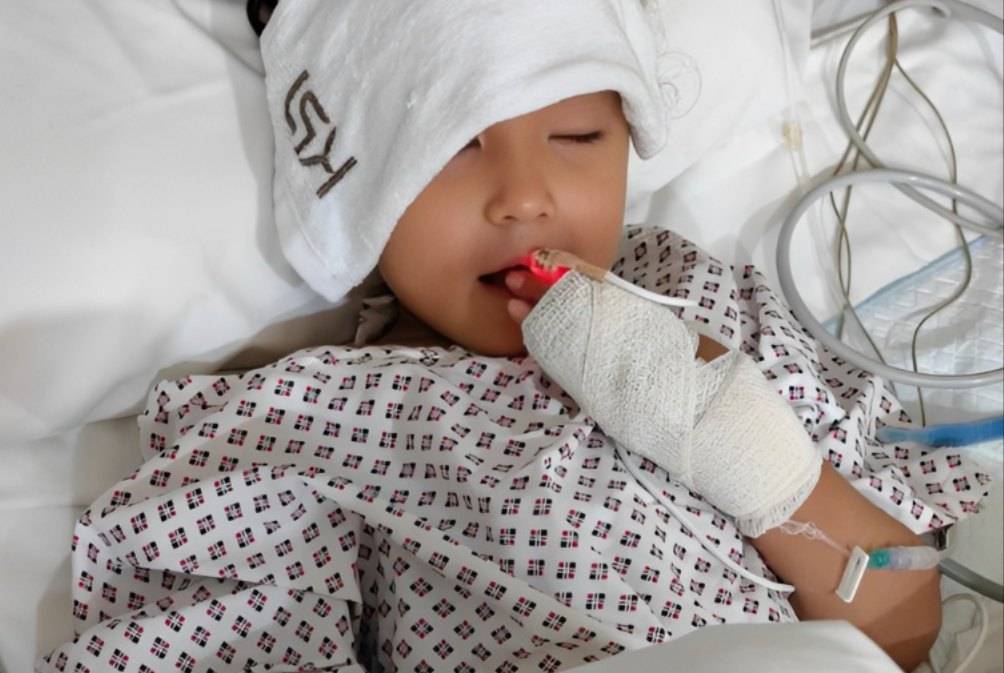
This time, Syelina fell ill first, followed shortly by her eight-year-old daughter.
“At first, it was just a fever, but by the fourth day, my daughter became very weak. Her platelet count kept dropping,” she said.
Her condition deteriorated rapidly, developing severe dengue with plasma leakage. As her daughter’s platelet count plunged to single digits, she faced a high risk of bleeding and was admitted to the Paediatric Intensive Care Unit (PICU) for close monitoring.
“At that moment, fear completely took over. All I could think about was what happened to my mother 11 years ago. I kept imagining history repeating itself… and if I’m about to go through that all over again, but this time, with my daughter.”
Even as Syelina battled dengue herself, she made the difficult decision to be discharged early so she could be admitted to the same hospital as her daughter.
“I didn’t want her to go through it alone,” she said.
As mother and daughter remained in hospital, the burden of everything at home fell solely on her husband, who had to shoulder it all on his own.
“He had to manage everything – his job at the bank, my events business, our staff and our son at home. At the same time, he was worried about both of us in hospital. It was a lot for one person, and he struggled to keep things going,” she said.
Beyond the medical crisis, it was the disruption to everyday family life that weighed most heavily, with loved ones separated, routines broken and one person left carrying the full responsibility of care and keeping the household running.
“We missed home the most. What we longed for wasn’t just recovery, but to feel safe together again as a family…back in our own space, living our normal life,” she said.
Today, even after recovery, the impact remains.
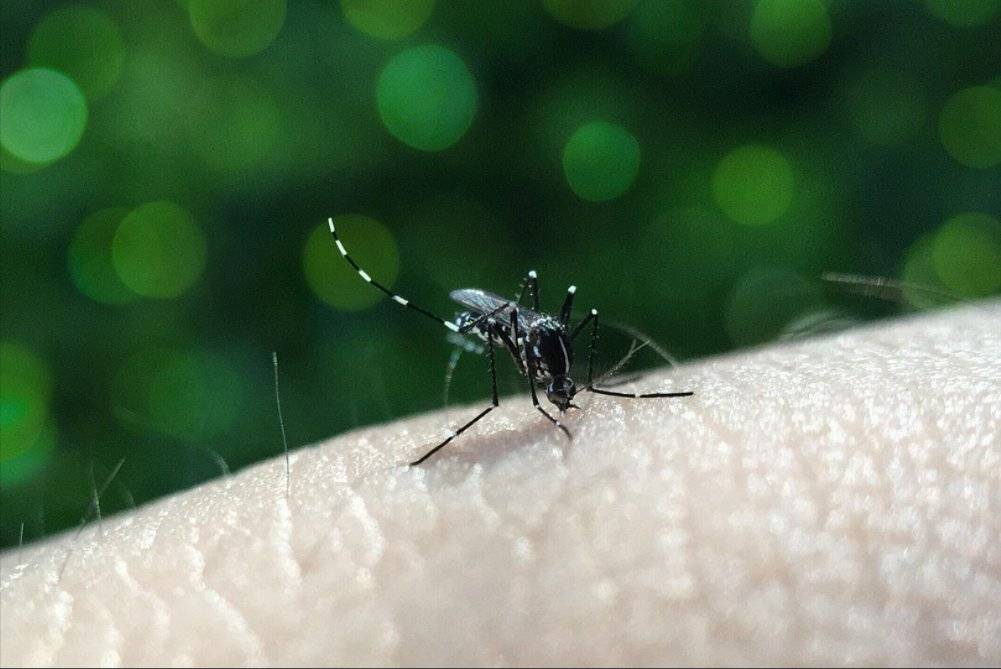
“Whenever I see mosquitoes now, I feel anxious. Even my family is more careful. We avoid going out during rainy days because we are afraid," she said.
Having experienced dengue twice, her perspective has changed completely.
“The second time was worse. Even after I was discharged, the exhaustion lingered and I still felt very tired for weeks.
“Now the fear continues to stay with me. I’m worried – what if it happens again?" she said.
A disease still underestimated
Consultant Paediatrician and Paediatric Intensive Care specialist Dr Anis Siham binti Zainal Abidin said dengue continues to be dangerously underestimated, largely because it often begins like a common viral fever.
“The reality is that dengue can turn severe very quickly and there is no specific cure. Within 24 hours, a patient can deteriorate and be fighting for their life," she said.
Warning signs such as persistent high fever (39 - 40°C), abdominal pain, fatigue and vomiting should never be ignored, she stressed.
Severe dengue typically develops after the fever subsides, and can lead to life-threatening complications including plasma leakage, bleeding and organ failure.
“When blood vessels leak, fluid can accumulate in the lungs and abdomen, making breathing difficult. At the same time, platelet levels drop, increasing the risk of bleeding. This combination can quickly lead to organ dysfunction,” she said.
Syelina’s case, Dr Anis added, highlights a critical reality: dengue does not discriminate.
“It affects all age groups, from young children to the elderly, and infection can happen more than once because there are four different strains of the virus.
"In fact, second infections of a different strain can carry a higher risk of severe dengue," said Dr Anis.
Prevention is key to protection
With no cure for dengue, prevention remains the most effective defence. Dr Anis urges Malaysians to adopt a proactive approach:
- Eliminate breeding grounds: Even small amounts of stagnant water in containers, drains or household items can become mosquito breeding sites.
- Protect against bites: Use repellents, wear protective clothing and install screens or mosquito nets.
- Seek early medical care: Dengue can now be detected as early as the first day of symptoms – early diagnosis can save lives.
- Speak to your doctor about dengue vaccination.
“At the end of the day, we need to shift our mindset. Too often, people think ‘it won’t happen to me’, until it does, and precious family moments are suddenly taken away when it’s already too late,” said Dr Anis.
For families like Syelina’s, the lesson is painfully clear – surviving dengue is only part of the story, living with the fear of it coming back is another.
“When dengue happens, it’s already too late to wish you had done more. No one should have to lose precious moments together like Raya to understand how serious it is, because by then, it’s already too late to protect the moments that matter most,” she said.
Download Sinar Daily application.Click Here!