“Malaysia was good to me": Rohingya refugee reflects on 30 years before new life in New York
It was the only home he knew for most of his life after his family fled persecution in Myanmar.


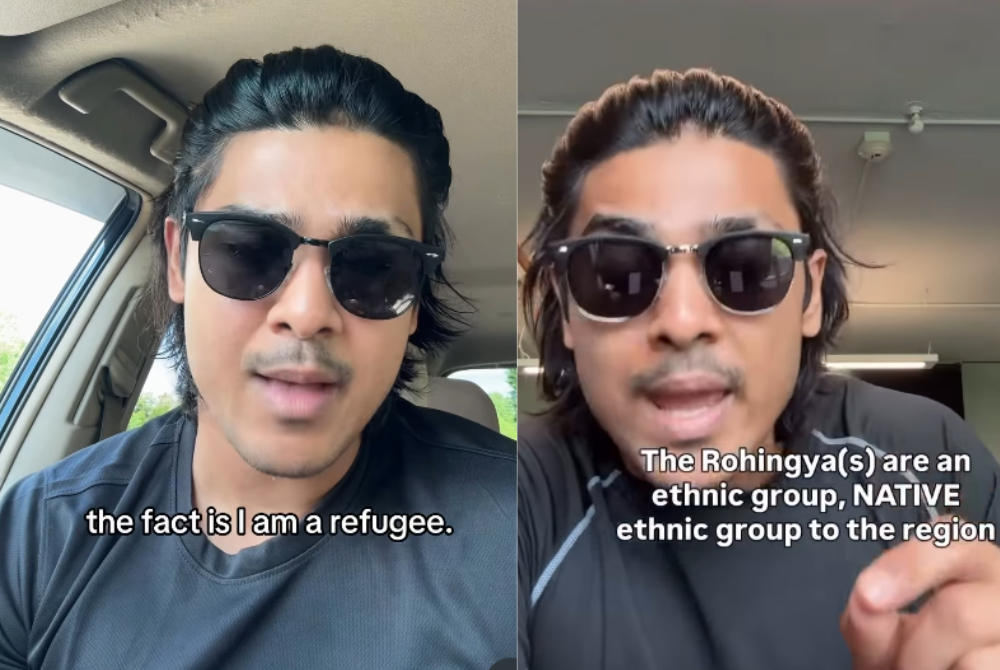
AMID backlash over remarks by Rohingya activist Noor Azizah and the growing debate over the community's place in Malaysia, a former refugee has offered a personal perspective shaped by gratitude, hardship and resilience.
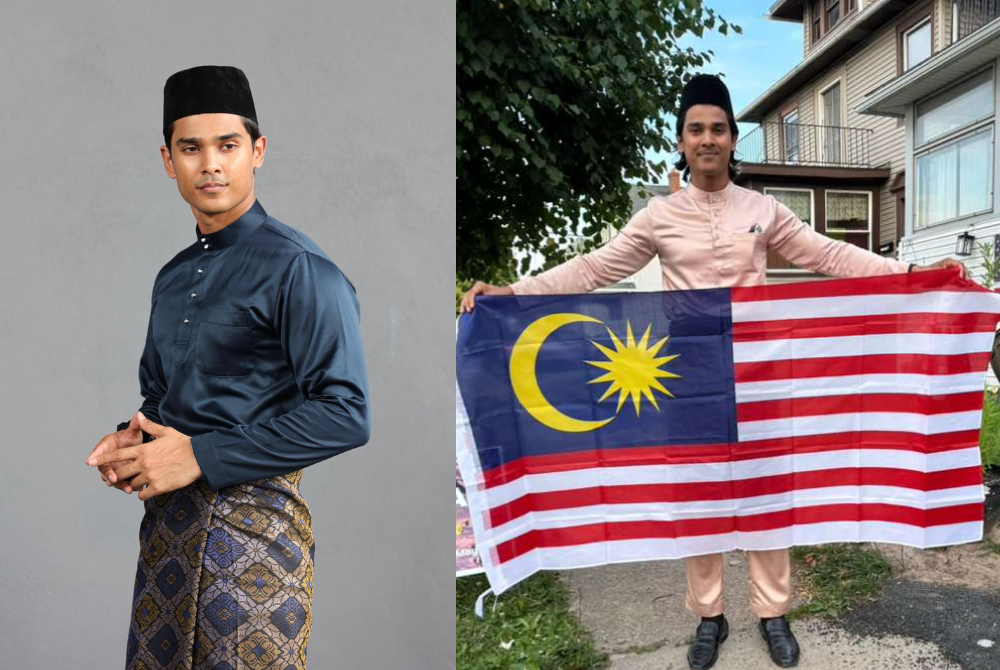
Arakan Prince, who spent more than three decades in the country and is now resettled in the US, said Malaysia was the only home he knew for most of his life after his family fled persecution in Myanmar.
The Arakan Amal founder, who is now a licensed real estate agent in New York, said the country played a defining role in shaping his identity despite the challenges that came with growing up as a refugee.
"Malaysia was the only home I knew growing up. I learned the Malay language, grew up with Malaysian culture, food, traditions and friendships," he told Sinar Daily.
For more than 30 years, Malaysia was where he built his life, forged relationships and created memories.
While acknowledging the difficulties faced by refugees, he said he remains grateful for the safety and refuge the country provided his family.
"As Rohingya refugees, we lived with uncertainty about our future. Access to higher education, stable employment, healthcare and legal protection was often limited.
"Despite those challenges, I always tried to stay active in the community and build relationships with people from different backgrounds. Malaysia played a very important role in shaping who I am today," he said.
His comments come as public sentiment towards the Rohingya community has become increasingly polarised, fuelled by social media debates and concerns over issues ranging from employment and public services to integration and security.
Prince believed the growing negative perception cannot be explained by a single factor.
"I believe the growing negative perception is complex and influenced by many factors," he said.
While acknowledging that members of the Rohingya community are not immune from wrongdoing, he cautioned against broad generalisations.
"Like any community, the Rohingya community is not perfect. There may be individuals who make mistakes, but it is important not to judge an entire community based on the actions of a few."
He also recognised that many Malaysians have legitimate concerns about economic pressures, competition for jobs and strains on public resources.
"These concerns should be addressed through facts, dialogue and fair policies rather than stereotypes or hostility," he said.
Prince noted that although Malaysia provided sanctuary, refugees often lived with significant restrictions because the country does not formally recognise refugees under domestic law.
As a result, many relied on informal employment, community networks, humanitarian organisations and support from agencies such as the United Nations High Commissioner for Refugees (UNHCR) and the International Organisation for Migration (IOM).
Despite those limitations, he said Malaysia remained central to his family's survival.
"I am grateful that Malaysia gave my family a place of refuge when we had nowhere else to go."
His move to the US last year, he explained, was part of a formal refugee resettlement programme rather than a decision driven by any single event or grievance.
The transition has provided opportunities that were previously out of reach, including greater stability, professional advancement and civic participation.
"Moving to Buffalo, New York, changed my life in many ways. It has given me opportunities I never had before, including professional growth, community involvement and civic engagement," he said.
Today, Prince works with eXp Realty, helping families secure housing while continuing his advocacy on refugee-related issues.
Yet leaving Malaysia was not easy.
“It is the country where I was born and spent most of my life. Malaysia will always hold a special place in my heart,” he said.
He described his journey as one shaped by both countries.
“I see my journey not as leaving one home for another, but as carrying both with me. Malaysia gave me shelter and shaped my upbringing, while the US gave me the opportunity to build a future. I am deeply grateful to both countries," he said.
Download Sinar Daily application.Click Here!