Malaysia's next digital challenge is building trust as AI reshapes the future
Regulators, policymakers and industry leaders say Malaysia's digital future hinges on governance, trust and responsible AI use as much as innovation.



AS artificial intelligence (AI) reshapes industries and cyber threats grow more sophisticated, Malaysia’s next phase of digital development will depend not only on technological innovation but also on strengthening governance, building public trust and ensuring responsible use of technology.
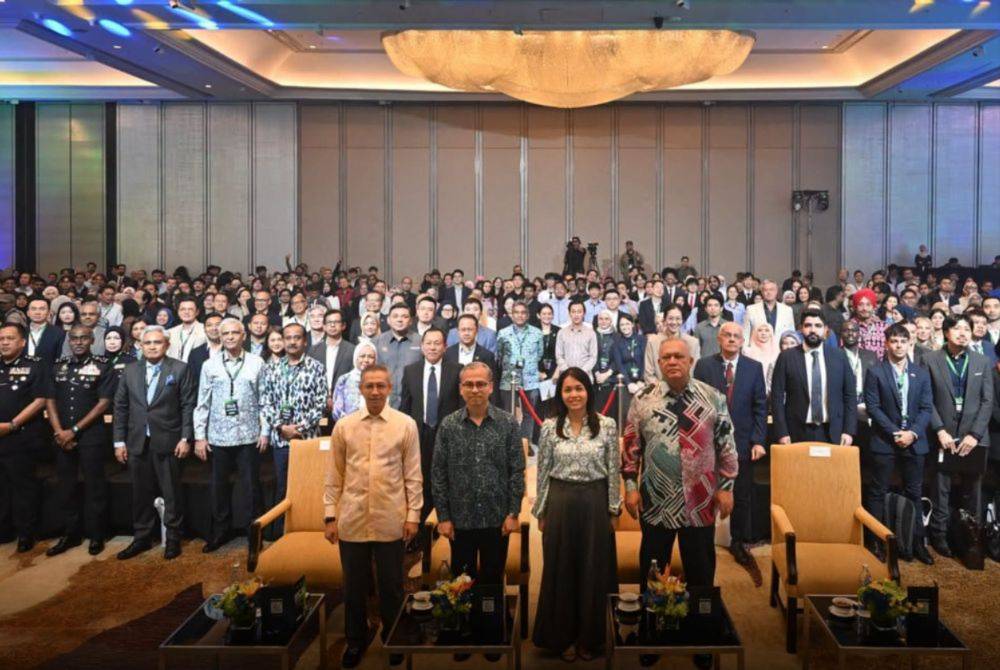
This was the key message at the International Regulatory Conference 2026, where regulators, policymakers and industry leaders gathered to discuss how Malaysia can remain competitive, resilient and innovative in the next digital decade.
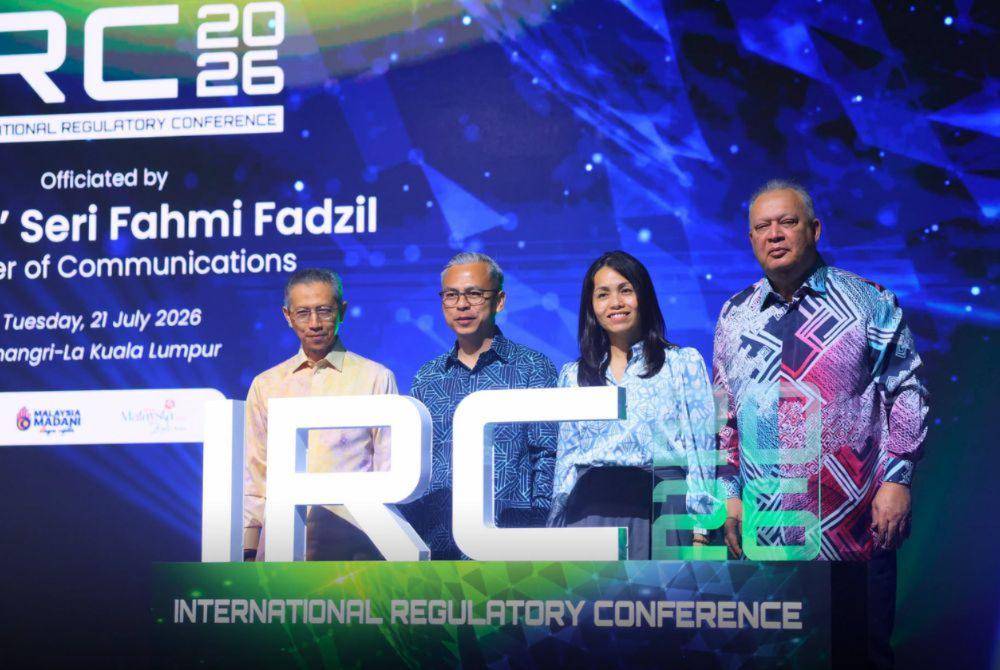
Organised by the Malaysian Communications and Multimedia Commission (MCMC), the conference focused on the opportunities and challenges surrounding AI, cybersecurity, online safety and digital governance.
Communications Minister Datuk Seri Fahmi Fadzil, who opened the conference, stressed the importance of collaboration among regulators as governments worldwide grapple with rapid technological advances and increasingly complex online risks.
A recurring theme throughout the conference was the need to strike the right balance between encouraging innovation and introducing regulations that protect the public without slowing technological progress.
Institute of Strategic and International Studies executive chairman Faiz Abdullah cautioned against excessive regulation, saying innovation often moves faster than legislation.
“However, the government still has a responsibility to intervene where technology creates clear risks to society, particularly in areas such as online safety,” he said.
Rather than viewing innovation and regulation as competing priorities, speakers argued that governments should modernise the way policies are designed and implemented.
Global consultancy Pemandu Associates joint managing director Aida Azmi said policymakers and businesses typically operate on different timelines, with companies prioritising speed to market while regulators focus on getting policies right before implementation.
She urged governments to rethink the traditional approach to policymaking.
"Create policies as if they are a product. Regulations should evolve continuously through feedback and real-world implementation,” she said.
Discussions on AI, personal data and social media consistently returned to one central issue: public trust.
Content Forum Malaysia chief executive officer Mediha Mahmood said regulators around the world are increasingly examining not only harmful online content but also the algorithms that repeatedly recommend similar material to users.
"It is not just the content per se that is being offered, but how the content is being offered and how repetitiously the content is being offered.
“Platform features such as autoplay, endless scrolling and personalised recommendations are designed to maximise user engagement but may also trap users in digital ‘bubbles’, exposing them repeatedly to similar perspectives,” she said.
Mediha added that while technology companies have a responsibility to create safer digital environments, users must also remain conscious of how they interact with online platforms.
AI featured prominently throughout the conference, with discussions extending beyond its economic potential to the governance frameworks needed to manage its risks.
CyberSecurity Malaysia representative Fazlan Abdullah warned that AI is making cyber threats increasingly sophisticated, allowing criminals to produce highly convincing phishing emails, scams and deepfake videos.
"The bad actors are using AI to attack you. And if you are in the organisation, in government, you must use AI to defend against AI," he said.
He urged organisations to adopt proactive cybersecurity strategies rather than treating security as an afterthought.
Malaysia's proposed AI Governance Bill, alongside the establishment of the National AI Office and the AI Safety Institute, was highlighted as part of the country's broader effort to introduce a risk-based AI governance framework that supports innovation while safeguarding the public.
Speakers also stressed that regulatory frameworks must remain flexible as AI technologies continue evolving at a rapid pace.
Looking beyond Malaysia, Asean Secretariat representative Hazremi Hamid said AI governance cannot be addressed effectively by individual countries acting alone because digital services, online threats and data flows transcend national borders.
“Asean is working towards developing common principles on AI governance, data management and information sharing while recognising that member states remain at different stages of digital maturity,” he said.
Across the conference's 10 dialogue sessions, speakers repeatedly emphasised that Malaysia's long-term digital competitiveness will depend as much on people as technology.
Beyond adopting emerging technologies, they said Malaysians must also develop the skills and awareness needed to use digital tools responsibly, safely and ethically.
While much of the conference centred on AI, cybersecurity and regulation, its broader conclusion was that technology should remain focused on improving people's lives.
As Malaysia enters its next phase of digital transformation, participants agreed that innovation, trust, good governance and digital resilience must advance together if the country is to fully realise the opportunities of the digital economy.
Download Sinar Daily application.Click Here!