Malaysia cannot produce its way out of rising food prices, says Mohamad Sabu
The government is therefore focusing on areas including grain corn, paddy, beef, selected vegetables, aquaculture and tropical fruits, alongside greater use of technology and more productive farming methods.
HAJAR NAZLI
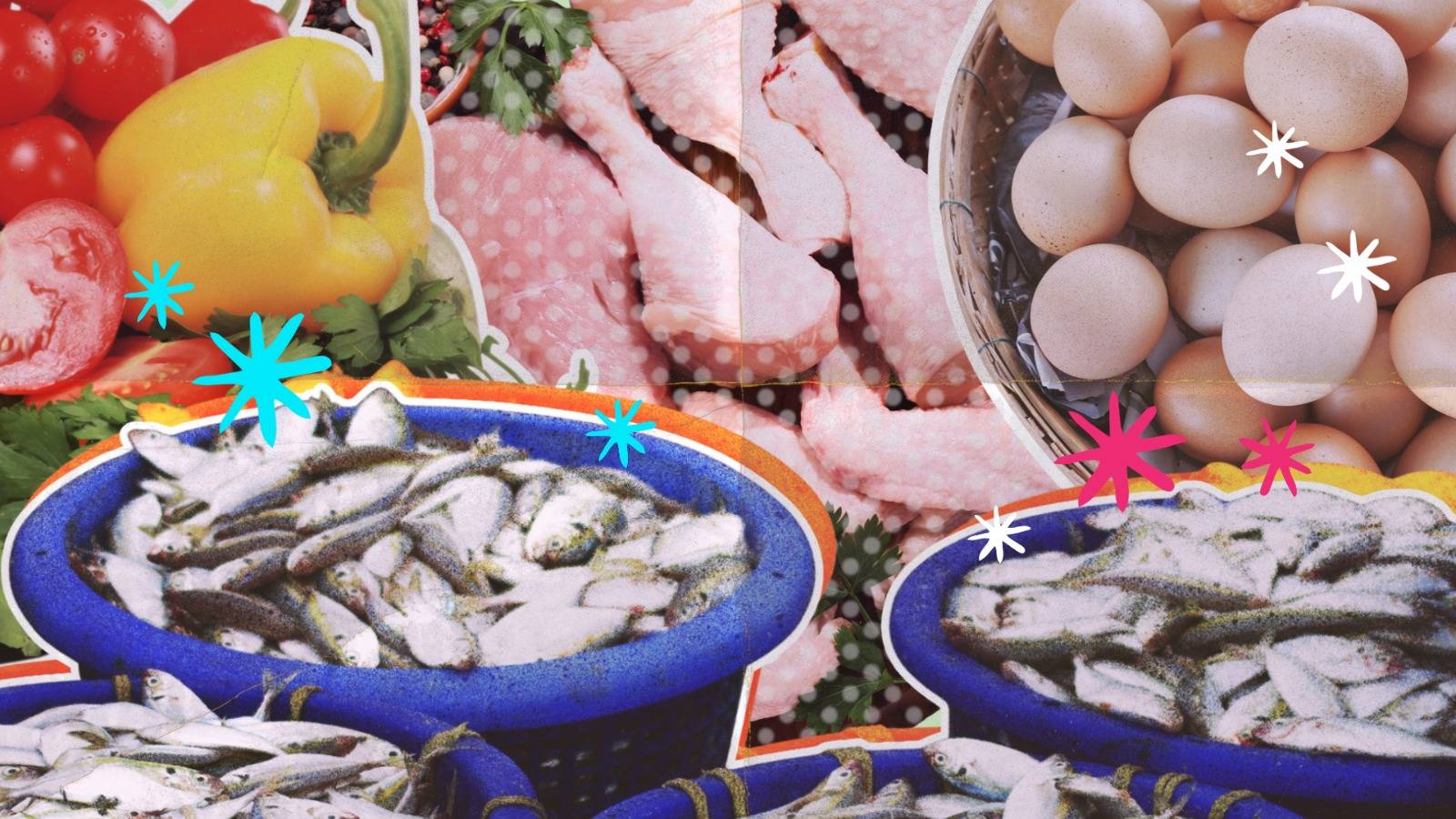
SHAH ALAM – Malaysians may be eating locally produced chicken, eggs and vegetables, but they are still paying the price of a global food system.
Agriculture and Food Security Minister Datuk Seri Mohamad Sabu said Malaysia cannot simply produce its way out of the problem.
The country’s food import bill may have reached RM93.8 billion in 2024, but he said the figure should not be taken as proof that Malaysia’s food security policies have failed.
Instead, he argued that the bigger vulnerability lies in what Malaysia needs to import to produce food domestically.
More than 90 per cent of the country’s grain corn and soybean meal requirements are imported, while farmers and producers also rely on imported fertilisers, seeds and other inputs.
That means even a locally produced chicken can be exposed to global commodity prices and movements in the ringgit.
“We need to put the food import bill in the proper context. A higher import bill does not automatically mean that Malaysia is producing less food or that our food security policies have failed,” he told Sinar Daily.
He made the argument following growing concerns among Malaysian households that the issue is no longer just whether food is available, but whether people can still afford to buy it.
Between 2011 and 2024, the average price of nasi lemak rose 81.3 per cent, while roti canai increased 71.1 per cent and chicken satay 113.7 per cent, according to the Department of Statistics Malaysia.
For Mohamad, the answer is not to pursue “zero imports” at all costs.
“The real issue is not whether Malaysia should import or produce locally. It is about finding the right balance between domestic production, affordability and security of supply,” he said.
That means targeting commodities where Malaysia has a genuine competitive advantage while reducing excessive dependence on strategically important imports.
The government is therefore focusing on areas including grain corn, paddy, beef, selected vegetables, aquaculture and tropical fruits, alongside greater use of technology and more productive farming methods.
Malaysia already produces enough of several commodities to meet domestic demand, including eggs, tropical fruits, poultry meat and edible fish.
But major gaps remain, particularly in rice, beef and mutton.
For rice, the government has set a target of raising the self-sufficiency ratio from 52.9 per cent to 80 per cent by 2030.
Mohamad said food security should ultimately be judged not by the size of the import bill, but by whether Malaysians have reliable access to food that is affordable, safe and nutritious.
“For ordinary Malaysians, the most important questions are: Is food available? Can families afford it? Is it nutritious and safe? Will supply remain stable during a crisis?” he said.
The challenge, therefore, is not to make Malaysia produce everything it consumes.
It is to make the food system less vulnerable — by raising domestic productivity, protecting agricultural land, reducing production costs, strengthening supply chains and diversifying import sources.
Malaysia’s food trade deficit narrowed from RM39.3 billion in 2024 to RM33.9 billion in 2025.
But as climate shocks, geopolitical tensions and export restrictions continue to threaten global food supplies, the price Malaysians pay for food will depend on how resilient that system becomes.
Download Sinar Daily application.Click Here!