More malls, but is Kuala Lumpur becoming a better city?
From Ampang Park in 1973 to The 118 Mall this year, Kuala Lumpur has spent five decades expanding its shopping landscape. Is the city building for genuine demand or simply adding more retail space?


KUALA LUMPUR has come a long way from the days when shopping meant visiting a department store or one of a handful of purpose-built shopping complexes.
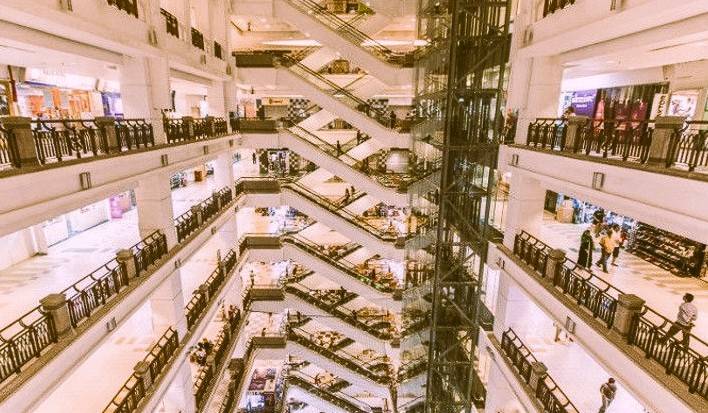
From the modest centres of the 1970s to today's integrated developments such as 118 Mall which opened on November 1, the city's retail landscape has undergone a remarkable transformation.
But does Kuala Lumpur really need another shopping mall?
There is no denying that shopping malls have become part of Kuala Lumpur's identity. They are more than places to buy clothes, groceries or household necessities.
They are where families spend weekends, friends meet for meals, young people gather and tourists seek out shopping, entertainment and food.
Some have become destinations in their own right, attracting visitors from beyond their immediate neighbourhoods.
But that does not mean the city needs an endless supply of them.
Kuala Lumpur already has more than 100 shopping centres, with tens of millions of square feet of retail space.
Each development may have its own commercial justification. Developers invest because they believe there is a market, and new projects can bring jobs, business opportunities, tourism and economic activity.
But who exactly are we building all these malls for?
Kuala Lumpur's consumers are not an unlimited market. Household budgets are under pressure, online shopping has changed purchasing habits and consumers are becoming more selective about where they spend their money.
A new mall may attract crowds during its opening weeks. The real test comes later, when the novelty wears off and it has to compete for the same customers as the shopping centres around it.
Developers will argue that every new mall offers something different. Perhaps it has a better location, a stronger entertainment component, a more attractive dining scene or a different retail concept.
That is fair. Competition can encourage existing malls to improve, renovate and rethink their offerings.
But how different can they really be?
Walk through several shopping centres in the city and the similarities are hard to miss.
The same international brands, familiar restaurant chains, coffee outlets, cinemas and entertainment concepts often appear in different combinations.
Consumers may welcome more choices, but another building filled with familiar offerings does not necessarily make Kuala Lumpur a more exciting city.
Perhaps the bigger opportunity lies in making existing malls more relevant rather than simply adding retail space.
Older shopping centres could be rejuvenated, vacant units repurposed and more space given to local businesses, independent retailers, cultural activities and community events.
Consumers increasingly want experiences, not just transactions. They want places to eat, socialise, take their children and discover something new, without necessarily having to spend money.
However, the debate should not stop at commercial viability.
Every major development has consequences for its surrounding neighbourhood.
More shopping centres mean additional traffic, pressure on parking, greater demand for public transport and increased strain on roads and other infrastructure.
These are not minor considerations in a city already struggling with congestion.
A development may make commercial sense on paper, but can the existing road network cope? Is public transport sufficiently accessible? Are pedestrian connections safe and convenient? What about residents who have to live with the additional traffic?
These questions should be addressed before construction begins, not after residents start complaining about traffic jams.
There is also a more fundamental issue about how Kuala Lumpur wants to grow.
A city cannot measure its progress simply by counting skyscrapers, shopping centres and commercial developments. It must also consider the quality of life of those who live and work there.
Does Kuala Lumpur have enough attractive public spaces, accessible parks, recreational facilities and pedestrian-friendly streets?
Can families spend time outdoors without having to enter a shopping mall? Are there affordable places for young people and older residents to gather without the expectation that they must spend money?
This is where urban planning must look beyond the interests of developers and commercial returns.
Kuala Lumpur needs investment, and it should welcome developments that create economic value and improve the city.
But development should not become an exercise in building more simply because land is available and there is money to be made.
Every new project should have a clear purpose, a sustainable business case and a plan that takes the surrounding community into account.
Perhaps Kuala Lumpur does need another shopping mall but the bigger question is whether, in its enthusiasm to become a bigger commercial and retail destination, the city is paying enough attention to becoming a better place to live.
More malls may mean more places to shop but that alone does not make a better city.
Download Sinar Daily application.Click Here!