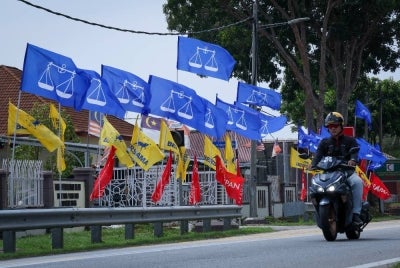
Bersama faces test of electoral appeal in Melaka polls
Analysts say the party's 16-seat contest will show whether it can attract disillusioned PH voters or risk splitting the opposition vote


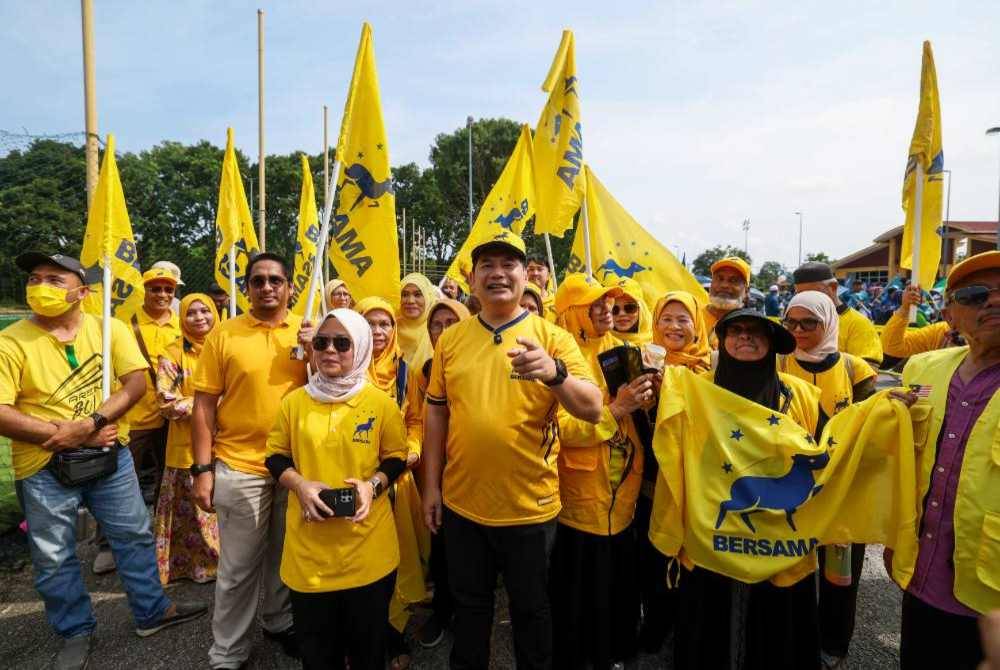
SHAH ALAM – The decision by Parti Bersama Malaysia (Bersama) to contest 16 seats in the Melaka state election will test whether dissatisfaction with established political coalitions can translate into support for a new political alternative or turn the party into a vote-splitting force.
Political analyst Anis Anwar Suhaimi said Bersama could appeal to voters frustrated with Pakatan Harapan (PH) but who remained attached to the reform-oriented aspirations that initially drew them to the coalition.
He said the party was seeking to establish its presence and build an electoral base ahead of the 16th General Election (GE16), but the limited number of seats it is contesting could make it difficult to demonstrate its ability to govern.
“Bersama offers an alternative for PH voters who are frustrated with the coalition but remain attached to the political aspirations that initially drew them to it,” he told Sinar Daily.
Anis identified Ayer Keroh, Bukit Katil and Machap Jaya as constituencies where Bersama’s participation could influence PH’s electoral prospects.
In Ayer Keroh, PH’s Kerk Chee Yee won in 2021 with a majority of 5,624 votes, giving the coalition a comfortable majority.
Bukit Katil could present a different challenge, as Adly Zahari won by just 1,057 votes in 2021. Anis said cooperation between Barisan Nasional (BN) and Perikatan Nasional (PN), alongside any potential loss of PH support to Bersama, could make the contest more challenging.
In Machap Jaya, PH is seeking to regain a seat that BN won in 2021 with a majority of 938 votes. Anis said Bersama could complicate that effort if it attracted voters who might otherwise support PH.
However, he cautioned that Bersama’s vote share alone would not establish which party had lost support, as actual voter movements would need to be examined.
Political analyst Dr Oh Ei Sun said Melaka offered Bersama an opportunity to test its appeal across urban and semi-urban constituencies.
He said Machap Jaya was particularly interesting because it had a significant Chinese population despite not being an urban constituency.
Oh also pointed to areas such as Bukit Asahan and Ayer Molek as possible testing grounds for the party, given their semi-urban characteristics.
“I think it is basically about establishing their presence and testing the waters. Melaka is quite unique because it has a mix of urban, suburban and semi-urban constituencies,” he added.
He was uncertain whether Bersama could draw significant support away from PH, saying dissatisfied voters might simply be looking for an alternative rather than seeking to undermine the coalition.
Oh said Bersama would need to establish its own political identity and explain why voters should choose it over other alternatives, including the Malaysian United Democratic Alliance (Muda).
Anis said the party’s performance would ultimately depend on whether it could attract support beyond temporary dissatisfaction with established coalitions.
He said its vote share, ability to win seats and capacity to retain support beyond individual candidates would indicate whether it could develop into a sustainable political alternative.
The Nov 14 election will see 79 candidates contesting all 28 State Legislative Assembly seats.
The field comprises six political parties and coalitions: Pakatan Harapan (PH), Barisan Nasional (BN), Parti Bersama Malaysia (Bersama), Parti Pribumi Bersatu Malaysia (Bersatu), Perikatan Nasional (PN) and Parti Pribumi Perkasa Malaysia (Putra), alongside three independent candidates.
Bersama is fielding 16 candidates, making it the third-largest group in the contest after PH, with 24 candidates, and BN, with 23.
Download Sinar Daily application.Click Here!