Loke's resignation tests Unity Government's stability
The DAP secretary-general's decision has sparked various interpretations, particularly regarding political positions, integrity and the continuity of the government.


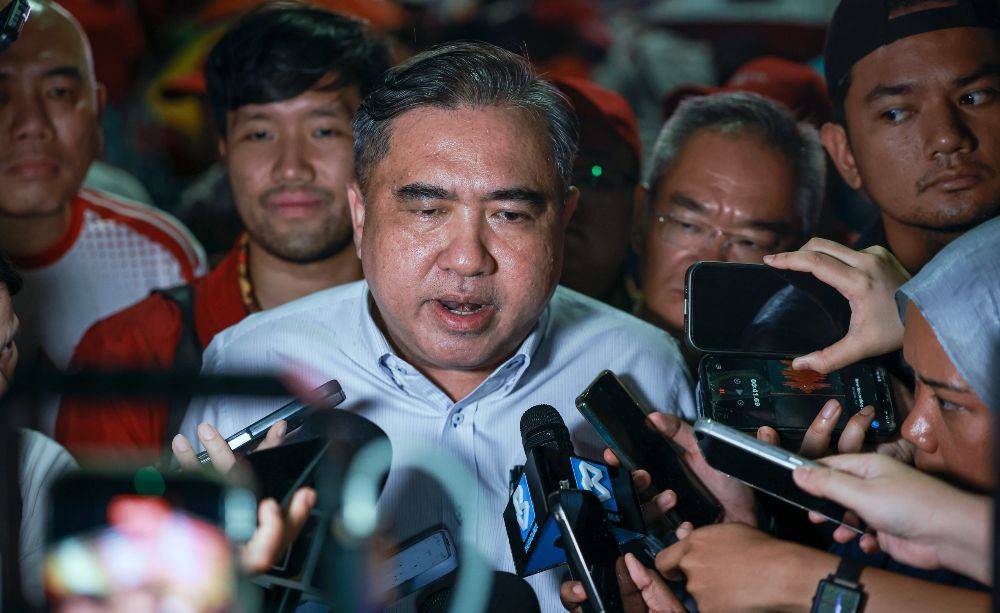
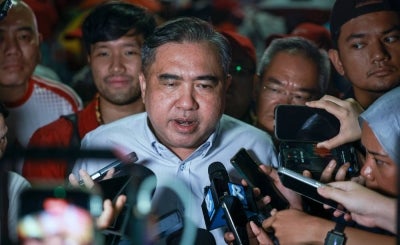
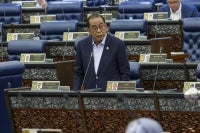
TRANSPORT Minister Anthony Loke's decision to resign with immediate effect following the Kuala Lumpur High Court's ruling allowing former prime minister Datuk Seri Najib Razak to serve the remainder of his prison sentence under house arrest until Aug 23, 2028, has put the Unity Government's stability to the test.
The DAP secretary-general's decision has sparked various interpretations, particularly regarding political positions, integrity and the continuity of the government.
However, the country's top leadership has reportedly taken a cautious approach, maintaining that a decision of such significance should not be finalised hastily.
Instead, room should be given for further consideration and direct discussions, even though the official resignation letter has already been submitted.
The approach also takes into account the Seremban MP's service record, which has been described as outstanding, as well as his trustworthiness, integrity and dedication in introducing various initiatives to improve public welfare, including that of taxi drivers.
The positive reception he received from ministry staff also reflects the significant loss his departure would represent for the government machinery, which still needs his services.
Even a light-hearted suggestion for the minister to take temporary leave instead of stepping down entirely reflected the leadership's desire to retain his services in the Cabinet.
However, despite the appreciation and appeals, Loke chose to stand by his earlier position.
His decision to resign if Najib was allowed to serve his sentence under house arrest was not a spontaneous reaction, but a political promise made almost seven weeks before the court's decision.
By keeping his word, he sought to uphold his dignity and credibility among supporters and the public, in line with the principle that words must be backed by action.
His departure from the Cabinet, however, does not mean DAP's support for the Unity Government has been affected.
Loke reportedly stressed that the party's full support, including that of all its 40 MPs, for the Prime Minister's leadership remained firm and unwavering.
This position reflects an effort to separate differences in opinion over a particular issue from the commitment to the continuity of the government formed together.
Furthermore, the firm rejection of claims that his move challenged or disrespected the institution of the Yang di-Pertuan Agong showed that his position was specifically centred on the issue of justice in the case.
Overall, the development has tested the Unity Government's ability to manage differences of opinion among its component parties without affecting administrative stability.
The tension between maintaining efficient governance and standing firm on individual principles is among the challenges facing the government leadership.
Its ability to balance both demands will serve as a measure of the coalition's political maturity and resilience in ensuring government stability and public welfare.
Download Sinar Daily application.Click Here!