Eight timeless principles of wealth in Islam
Wealth should be a tool in one's hands, not a burden on the heart, meaning it should serve a person rather than consume them.


WEALTH is often seen as a sign of success, but in Islam, it carries a deeper meaning, both as a blessing and a test. How one earns, spends and manages wealth can shape not only their worldly life but also their afterlife.
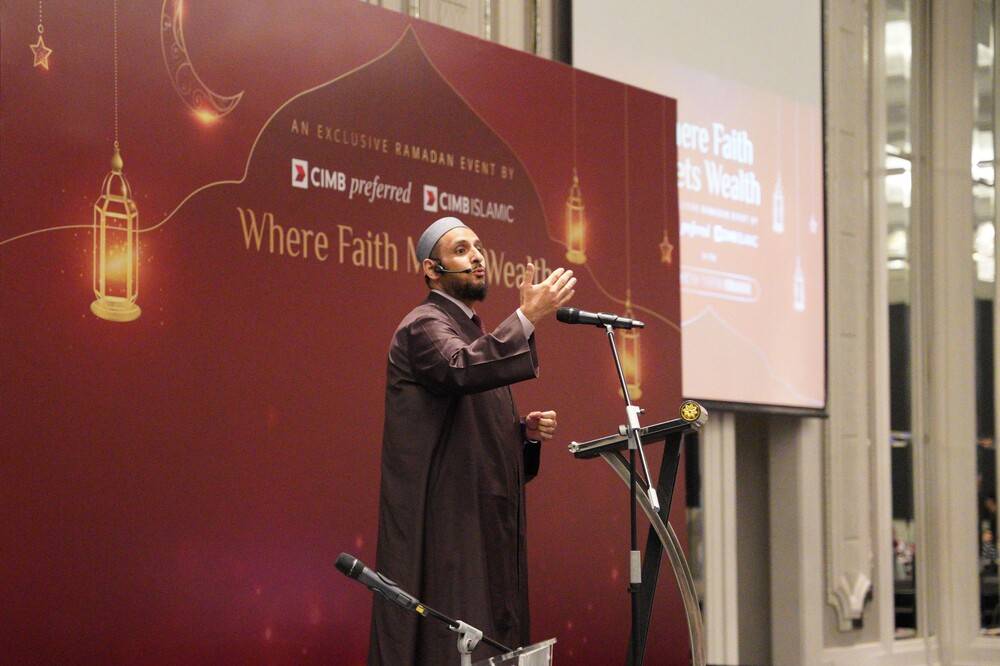
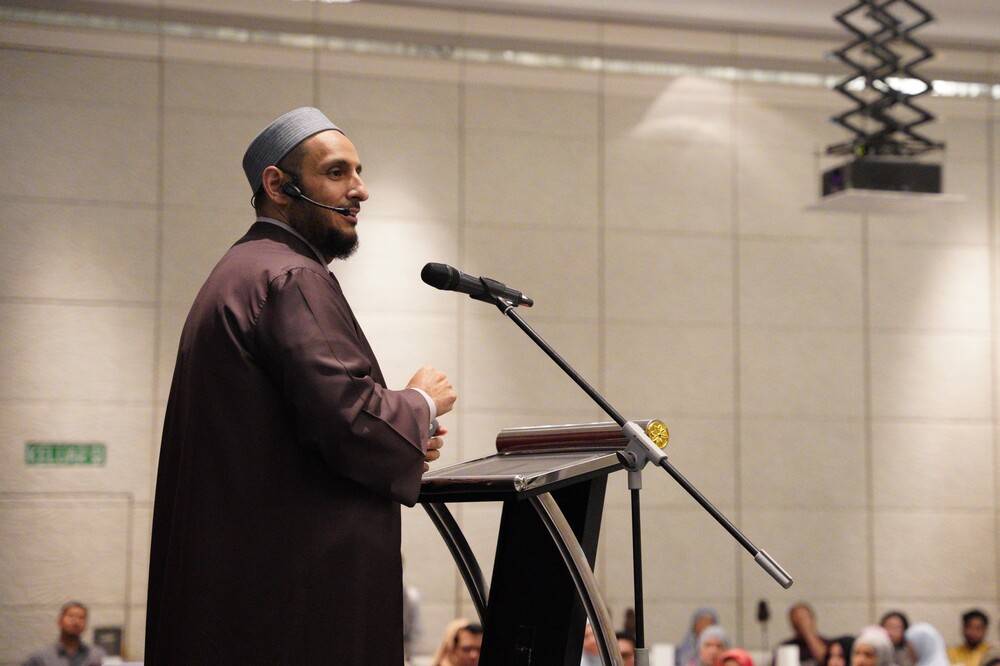
Islamic Chaplain at Curtin University, Australia Shaykh Yahya Ibrahim said wealth should be a tool in one's hands, not a burden on the heart, meaning it should serve a person rather than consume them.
Here are eight key principles for handling wealth in a way that aligns with faith and benefits both individuals and society:
1. Wealth as a blessing and a test
Islam teaches that wealth is both a gift from Allah SWT and a test of faith and character. Yahya explained that while financial success is a blessing, it also comes with responsibility.
"It is meant to be used wisely and not just for personal gain but also to support family, uplift the community and serve a greater purpose," he said.
A person’s relationship with wealth reflects their inner character. If managed with sincerity and ethical intention, it becomes a means of earning Allah’s pleasure. However, if misused, it can lead to arrogance, greed and neglect of one's duties.
2. Qana'ah (moderation and contentment)
In Islam, moderation is key, including in financial matters. Yahya emphasised that greed stems from an inflamed and covetous heart, whereas qana'ah (contentment) allows for a balanced approach to wealth.
"Seizing an opportunity is an investment strategy, but chasing after wealth without limits can lead to dissatisfaction and spiritual emptiness," he said.
Being content does not mean rejecting ambition, but rather understanding that true success is not measured by accumulation alone—it is also about fulfillment and ethical gain.
3. Zakah and sadaqah (charity) purifies wealth
One of the most powerful ways to ensure wealth is a source of blessing, not burden, is through giving. Yahya highlighted that zakah (obligatory charity) and sadaqah (voluntary charity) cleanse one's wealth and soul.
"Charity is not just about reducing economic disparity, it is about purifying the heart from attachment to material things and strengthening trust in Allah’s provision," he said.
By giving, a person acknowledges that their wealth belongs to Allah and is merely entrusted to them to be used for good.
4. Avoiding income from haram (forbidden) sources
Halal earnings bring barakah (blessings), while haram earnings bring destruction, even if they seem profitable at first. Yahya warned against engaging in prohibited (haram) financial activities.
"When wealth is acquired unlawfully, it erodes other sources of rizq (sustenance) and can affect one’s peace of mind and family stability," he said.
Ethical business practices, honesty in transactions and avoiding riba (interest-based dealings) are crucial for maintaining financial integrity.
5. Wealth is an amanah (trust) from Allah
Yahya said wealth is not owned, but entrusted by Allah SWT. He stressed that people are merely stewards of their wealth and their management of it will be accounted for in the hereafter.
"Your wealth is a responsibility, not just a privilege," he said.
This means spending responsibly, investing wisely and ensuring that financial decisions benefit not just oneself but also future generations and society.
6. Investing in the afterlife
While Islam encourages enjoying the permissible blessings of this world, Yahya stressed the importance of using wealth as an investment for the hereafter.
"Wealth should not only serve personal comfort but also contribute to what benefits beyond this life such as supporting charities, building mosques, funding education and helping those in need," he said.
This principle ensures that wealth is not just a temporary asset, but a continuous source of good deeds that brings eternal rewards.
7. Practicing shukr (gratitude) and sabr (patience)
Yahya emphasised that shukr and sabr are twin virtues in wealth management.
"Expressing gratitude for what you have brings barakah, while patience in financial hardships strengthens faith," he added.
Wealth, like all aspects of life, has ups and downs. A believer should neither be arrogant in prosperity nor hopeless in struggle. Trusting in Allah’s plan allows one to navigate financial success and hardship with grace and faith.
8. Social responsibility and community welfare
Islamic wealth management goes beyond personal financial success—it prioritises community well-being.
"Your wealth should uplift others. The prosperity of a community is built on the generosity of individuals who use their resources to create opportunities and support those in need," Yahya said.
This includes fair wages, ethical business dealings, supporting local economies and advocating for financial justice. True wealth is measured not just by what is gained, but by how much it positively impacts others.
True wealth is a balanced life
Yahya who is also an imam at Al-Ameen College, Australia said wealth is a means, not an end. He said true financial success is not about how much you have, but how you manage, share and invest it with purpose.
By embracing these eight principles, individuals can cultivate a financial journey rooted in barakah, responsibility, and lasting fulfillment, both in this life and the hereafter.
He said this during the "Where Faith Meets Wealth" educational talk organised by CIMB Bank Berhad and CIMB Islamic Bank Berhad on Friday.
Download Sinar Daily application.Click Here!