Car ownership: A necessity, not a choice for many Malaysian families - Experts
Beyond the high costs, many Malaysians question whether owning a car is even necessary.


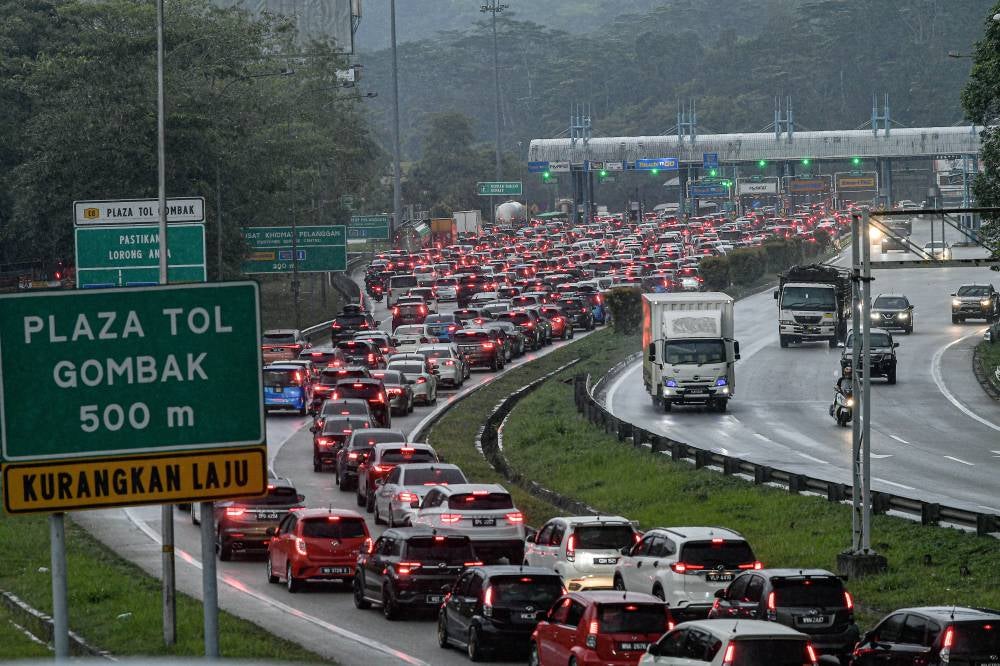
SHAH ALAM – With lengthy loan tenures and public transport still lacking convenience for families, many Malaysians find themselves compelled to commit to car ownership, even if it means tightening their belts for years.
In Malaysia, buying a car was not just a purchase; it was a long-term financial burden.

Many brand-new vehicles required monthly payments exceeding RM500 for up to nine years.
This prolonged financial commitment often stretched household budgets thin, particularly among young working adults and families planning for their future.
According to Piston.My Managing Editor and motoring expert Keshvinder Singh Dhillon, car prices in Malaysia were undeniably not cheap.
"This long repayment period can strain family budgets, particularly for young working adults and couples planning to start a family. With so much of their income allocated to vehicle loans, along with rent or mortgage payments, families are often left with little flexibility in their finances.
"In such scenarios, car affordability becomes more than just a lifestyle choice...it becomes a deciding factor in broader life decisions, including family planning,” he told Sinar Daily.
Beyond the high costs, many Malaysians questioned whether owning a car was even necessary.
The cultural mindset equating car ownership with success and mobility remained strong.
However, the limitations of Malaysia’s public transport system made it difficult to break away from that mindset, especially for families living in areas with poor access.
“Public transport, while available, is hindered by an underdeveloped infrastructure, especially in addressing the first and last mile of a journey. It is not uncommon for people to drive just to reach the nearest train or bus station, an issue that severely limits the practicality of relying solely on public transportation for daily needs.
"While the system may work for tourists or those living near major transit lines, for families with children and those living farther out, it remains inconvenient and unreliable,” Keshvinder said.
In a related matter, Universiti Putra Malaysia (UPM) Engineering Faculty Road Safety Research Centre head Law Teik Hua echoed similar concerns.
He said that Malaysia’s public transportation system remained too unreliable to serve as a practical alternative to car ownership, particularly for families with children.
“Although urban centres like Klang Valley benefit from Mass Rapid Transit (MRT), Light Rapid Transit (LRT) and Bus Rapid Transit (BRT) services, connectivity outside these areas remains patchy.
"First-mile and last-mile connectivity is a major issue in suburban and rural regions, where buses are infrequent or unreliable. Challenges such as long delays and insufficient facilities, like a lack of elevators for strollers, make public transport impractical for families.
"Until comprehensive, family-friendly transportation solutions are implemented, owning a car remains a necessity for many,” he told Sinar Daily.
On car ownership, both experts suggested that local options were often undervalued despite offering strong practicality and value.
“It is a misconception that affordable local cars compromise on quality. Vehicles like the Perodua Myvi, Alza, Bezza, Proton Saga and Persona consistently prove that local manufacturers can deliver solid value.
"These cars are not only comfortable and mechanically reliable but also come equipped with safety features that sometimes surpass those found in more expensive foreign models.
"Myvi, for instance, offers safety technologies rarely seen in cars within its price range, making it a standout choice for cost-conscious buyers,” Keshvinder added.
On the other hand, Law observed that perceptions around local cars were changing as local manufacturers improved their offerings through global collaborations.
He claimed that the notion that affordable local cars compromised on quality was increasingly outdated.
“Recent collaborations, such as Proton’s partnership with Geely, have led to noticeable improvements in safety, features and overall quality.
"Models like the Perodua Bezza and Proton Iriz now offer amenities that were once exclusive to pricier vehicles, including stability control and reverse cameras.
"While local brands may still lag behind foreign competitors in aspects like cabin finish, long-term durability, or after-sales service, much of the negative perception seems rooted in legacy biases rather than current realities,” he added.
Download Sinar Daily application.Click Here!